


Being environmentally friendly is more than a trend. It’s a decision that benefits the environment, helping improve quality of life for everyone around the world and for future generations. Environmental stewardship and responsibility extends to virtually every aspect of daily life, but you can start by reducing the environmental impact of one of the most impactful factors: your home.
Start From The Ground Up
Eco-friendliness starts at the moment construction starts. If you are custom building your residence, make sure to work with a company that values the environment and knows how to keep it protected throughout the duration of the work. Using recycled materials when appropriate and responsibly manufactured products when recycled material won’t work is a cornerstone of this kind of building practice.
Design For Sustainability
An energy efficient home is an environmentally friendly home. There are many ways that you can adapt a new design or an existing property to make it more efficient. Using Energy Star rated appliances is a good start. Many of our clients update their appliances as part of San Diego home additions, but you don’t have to wait. It’s not just those ancient appliances that are wasteful – even relatively modern items may be surprisingly bad for the environment.
Use Responsibly Sourced Materials
The basic building materials aren’t the only part of your building that can potentially harm the environment. Think about what it takes to manufacture something like kitchen cabinets. San Diego doesn’t have many factories because it’s impractical to build right around here, but other states and countries feel the impact of manufacturing these items. Make sure that your kitchen cabinets are made with eco-friendly materials. You’ll appreciate the lack of an odor as they outgas and so will the environment.
Even The Smallest Accents Count
Finally, don’t neglect the impact of the furniture and other elements that you put in after construction has finished. Remember, each of these items may have been made in a factory as well. Even if not, they may have been shipped from overseas or had to travel through multiple states, dramatically adding to their environmental footprint. Whenever possible, buy things that are made locally using eco-friendly materials that have been minimally processed and treated.

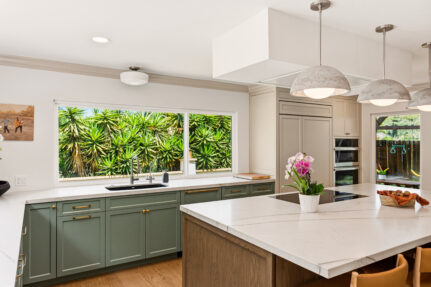
Client Success Story Sandy & Reza Family Whole Home Remodel • San Diego, CA 8 Spaces Transformed 16 Months Total Build Time WHOLE HOME Project Type GOOGLE How They Found Us Their Story Sandy and Reza came to Lars with a clear point of view: their 1977 San Diego home needed to work better before it […]
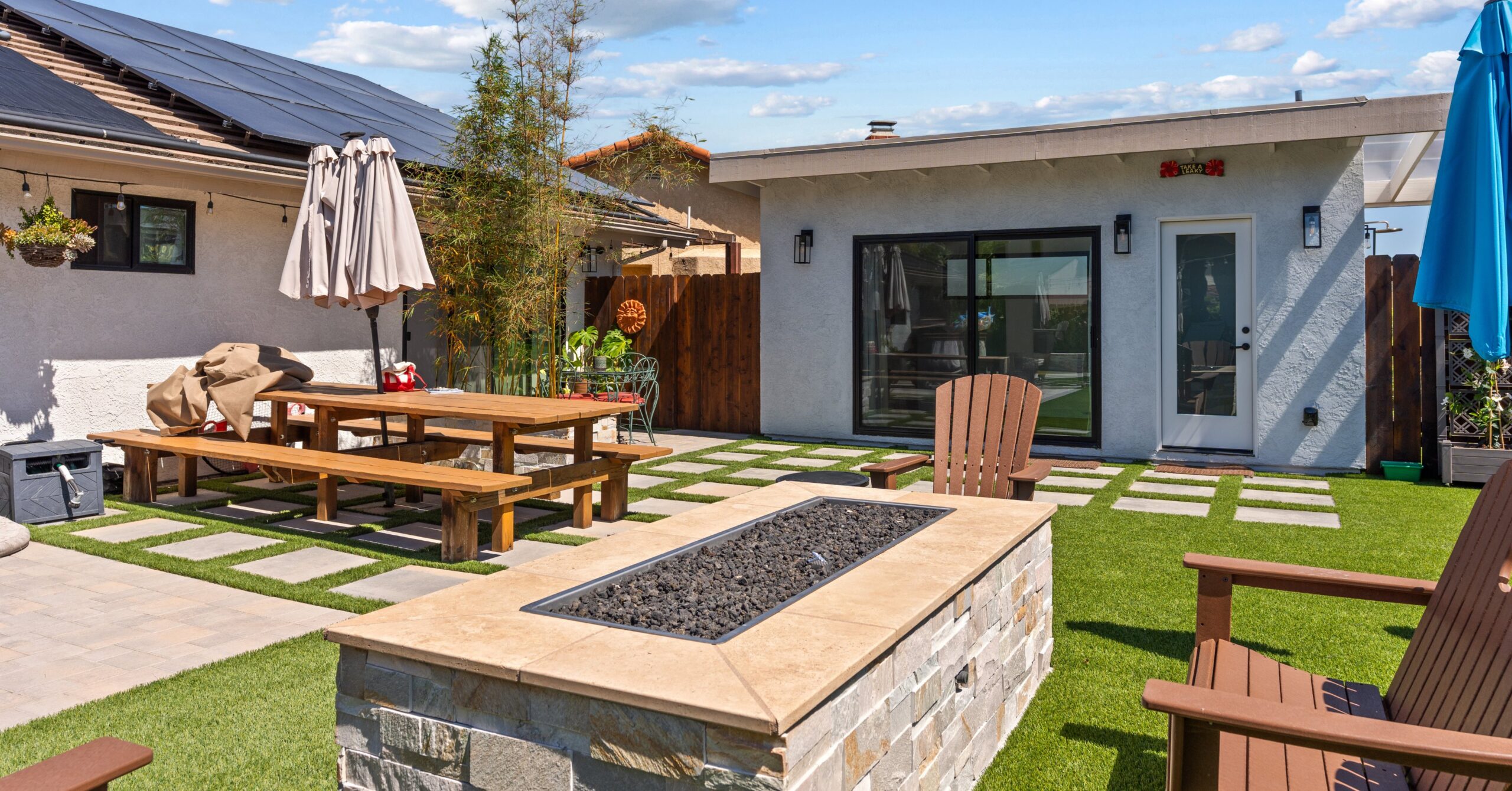
Plan a San Diego ADU up to 1,200 square feet with current cost, permit, setback, financing, rental, and project-timeline guidance for local homeowners.
Most homeowners should keep total renovation spending under 30% of their home’s current market value. On a $900,000 San Diego home, that’s a $270,000 ceiling across every project combined. Individual rooms carry tighter guidelines than that, and the bigger risk usually isn’t spending too much overall. It’s spending too much relative to the houses around you. […]
See What Happy Clients Are Saying About Us
When you decide to remodel your home in San Diego, count on our team of experienced builders and talented home design contractors to handle every stage of the design-build process diligently and professionally. We apply a wide range of skills to transform your living space with style and precision:
We’ll discuss the length of your project during an initial consultation. Although the scope of a project will determine its length, we can provide you with an approximate estimate early on.
For more information, get in touch with our home remodeling contractors in San Diego. We’ll ask you a series of detailed questions about the upcoming home remodel, which will help us prepare a preliminary estimate.
It’s the complexity of each remodel, as well as the desired goals and needs of each client, that makes each project unique. Besides the type and size of your home improvement in San Diego, the cost of materials needed plays a key role in setting up the budget.
Feel free to give us a call if you have any questions regarding the final costs of the project and consult with our experts directly. Our home design contractors will be happy to answer all of them and provide you with a more accurate estimate.
Before adding a room addition to your San Diego property, conduct a thorough inspection of your home and clarify your objectives:
Finally, you should know who to turn to for advanced assistance. Luckily, there’s a reputable local company serving San Diego communities. We at Lars Remodeling & Design would be happy to offer a detailed outline of the key aspects of your project.
For substantial additions or major renovations, it might be a good idea to think about staying somewhere else. To stick to your budget, you could stay with friends or family, or rent a place nearby so you can easily keep an eye on the remodeling progress. As experienced remodeling contractors, we’re eager to learn more about your project and explore all your options with you. Don’t hesitate to give us a call!
Absolutely. However, the value of such a renovation largely depends on factors like the property’s location, the extent of work required, and the current market conditions. For any home design or design-build project, it’s advisable to consult directly with our experienced contractors. We’ll access your San Diego residence to identify the type of remodel that would offer you the best return on investment.