Design-Build vs Design-Bid-Build: Which Is Better for Luxury Homes?
01.
- Share this article
-

-

-

-

-

-

Design-build combines design and construction responsibility. Design-bid-build separates design from contractor bidding and construction. For a San Diego remodel, the main practical differences are who coordinates decisions, when the scope is priced, and how changes and existing conditions are handled.
Design-Build vs. Design-Bid-Build: Key Differences
Design-build and design-bid-build organize the people and decisions differently. Use the comparison below to ask who develops the scope, who coordinates the work and what the proposal includes. Neither delivery method alone establishes your final investment or removes the need to investigate the home.
| What you are comparing | Design-build | Design-bid-build |
|---|---|---|
| Who you work with | One firm takes responsibility for coordinating design and construction. Ask how its agreements and phases work. | You engage a designer or architect and a separate construction contractor. Define how they will coordinate. |
| Cost and budget development | Construction input informs the developing design and selections. Project-specific pricing depends on the agreed scope and responsibilities. | Contractors bid on the prepared documents. Compare specifications, allowances, exclusions and owner-supplied work before comparing totals. |
| Timeline | Design, estimating and procurement planning can inform one another. Field work still depends on the required decisions, approvals and materials. | Design and bidding generally precede construction. Allow time to review proposals and resolve questions before work begins. |
| Coordination and risk | Design and field questions return to the responsible firm. Concealed conditions and requested changes still need evaluation and documented decisions. | Design and construction responsibilities sit in separate agreements. Establish who resolves questions between the parties; separation does not prevent collaboration. |
| Homeowner involvement | You set priorities, review options and approve decisions while the team coordinates delivery. | You choose the designer and contractor separately and establish how decisions and communication move between them. |
This compares general delivery arrangements; the actual agreements define the work and responsibilities. The AIA’s delivery-method overview explains the distinction. Our design and feasibility process uses a Design Agreement followed by a separate Construction Agreement, with one accountable team developing the project.
What Is Design-Bid-Build?
Design-bid-build is a project delivery method in which you hire a designer or architect to develop the plans, then invite contractors to bid on the prepared documents. You select the contractor and enter a separate agreement for construction.
- Design: develop the plans and specifications.
- Bid: compare proposals for the documented work.
- Build: the selected contractor carries out the agreed construction scope.
The quality of those documents matters. Clear specifications, allowances and responsibilities help you compare the same work across proposals. Separate agreements do not prevent a designer and contractor from collaborating, but the homeowner needs to know how that coordination will happen.
What Is Design-Build Remodeling?
Design-build brings design and construction responsibilities together with one accountable firm. Construction judgment informs the developing design, so layout, structure, selections and the work required can be considered together. The Design-Build Institute of America describes collaboration between design and construction as central to this approach.
At Lars, the design and construction commitments happen in stages. We develop the project through professional design and feasibility work before the homeowner decides whether to proceed with the Construction Agreement. The same accountable team connects those decisions; the agreements define the services and remaining conditions.
How does our design-build process handle real remodeling decisions?
After more than 35 years remodeling San Diego homes, we look for the decisions that affect one another: dimensions, structure, selections, purchasing and installation. Bringing those decisions together gives the homeowner a clearer basis for choosing the work. It also helps us identify what still needs investigation.
Field dimensions before cabinet fabrication
On one remodel, our team discussed whether the cabinet vendor could measure early. We required dimensions to be checked again after the space was exposed before fabrication. A later project discussion confirmed that measuring before demolition was not possible on that job.
The lesson is practical: a cabinet layout is connected to the conditions the installer will actually encounter. An integrated team still has to respect that sequence. We would rather explain the verification the work needs than imply that every task can happen at once.
Shower pan and glass compatibility
On a bathroom project, we identified a prefabricated alternative to a specified custom shower pan. The product choice also affected the shower glass. Our team held the order for the glass vendor to confirm compatibility. We cancelled the custom pan and associated drains and arranged a deposit credit.
That is what value engineering involves: checking how an alternative fits the complete assembly and following the decision through the connected orders. A substitute is useful only if the surrounding details work with it.
Clear responsibilities still matter inside one company
These experiences show why coordination needs specific checks. Ask who verifies field dimensions, updates the drawings, confirms product compatibility and communicates a change. On our projects, the construction Project Manager works with the wider design, estimating and procurement team. The homeowner still has priorities to set and decisions to approve.
Design-Bid-Build: Where Challenges Begin
Questions can arise when the construction proposal does not match the design assumptions or when responsibility for a decision is unclear. Before committing, ask who checks buildability, who updates the plans and who confirms that selected products match the scope being priced.
Unclear handoffs between designer and contractor can leave selections, scope details or schedule changes disconnected. This is a coordination issue to investigate, rather than an inevitable result of hiring separate firms. Define the communication path and how questions will be resolved.
Why Design-Build Works Better for Luxury Homes
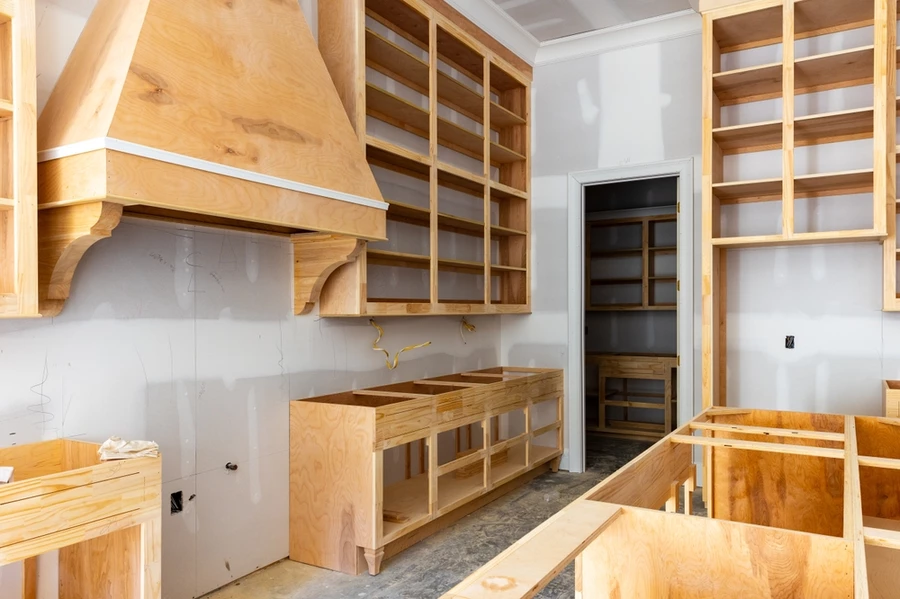
Custom cabinetry, specialty finishes, structural changes and integrated systems create decisions that affect one another. For these complex remodels, we recommend bringing design and construction judgment together early. Our approach connects the craftsmanship and attention to detail visible in the finished home with the planning behind it.
- Check selections against dimensions, structure and installation requirements.
- Review the developing design with estimating and construction input.
- Identify material and approval dependencies before setting the work sequence.
- Explain scope changes and obtain the homeowner’s decisions.
The purpose is to make better-informed decisions and keep responsibilities clear. Coordinated planning does not remove every concealed condition or guarantee an unchanged scope.
When can design-bid-build be a good fit?
Design-bid-build can suit a homeowner who wants an independent design relationship, has a developed scope and wants contractors to bid on the same documents. A capable general contractor can be the right fit for clearly defined work. The important question is how the design and construction responsibilities connect.
For a remodel involving layout changes, structural questions and interdependent selections, we recommend bringing construction judgment into planning early. Compare the actual services, specifications and responsibilities in each proposal. A lower total may reflect different work, different owner responsibilities or an efficient price for comparable work; the label alone cannot tell you which.
Plan your San Diego remodel with one accountable team
Bring us what is not working in your home, what you want to change and the investment range you are comfortable exploring. We can discuss which planning questions need attention and whether our design-build remodeling services in San Diego fit your project. Start with a complimentary consultation.