What Should Actually Be Included in a Home Remodeling Estimate?
01.
- Share this article
-

-

-

-

-

-

Most homeowners assume a remodeling estimate is simply a price for construction. In reality, a serious remodeling estimate should do much more than provide a number — it should explain the cost of your home renovation project clearly enough that homeowners understand what is being built, how it will be built, who is responsible for managing it, and what risks or unknowns still exist.
That distinction matters because many residential remodeling problems begin long before construction starts. Vague scopes, missing permit assumptions, unrealistic allowances, incomplete selections, and unclear project management responsibilities are some of the biggest reasons budgets and timelines change later.
In San Diego, that complexity increases even more. Older homes, coastal regulations, hillside conditions, ADU requirements, HOA approvals, and permitting rules can all affect the true cost and scope of a project.
A strong remodeling estimate should make the process feel clearer — not more confusing. It should define scope, design, engineering, permitting, selections, allowances, timeline, project management, and warranty expectations before construction begins. The more detailed and coordinated the planning process is upfront, the more realistic and reliable the estimate becomes later.
TL;DR
- A remodeling estimate should be far more than a single price number.
- A quality estimate should clearly define: scope of work, materials, labor, permits, project management, scheduling, allowances, and risks/unknowns.
- Many remodeling problems start because estimates are vague or incomplete.
- Homeowners should understand: what is included, what is excluded, who is responsible for what, where costs could still change
- Detailed planning before construction reduces surprises, delays, and budget overruns.
- Transparent estimates help homeowners compare contractors more accurately and avoid “apples-to-oranges” pricing confusion.
The Key Details Every Home Improvement Estimate Should Include
A serious remodeling estimate should make a project clearer — not more confusing. Homeowners should be able to look at the proposal and understand what is being built, what is included, what is excluded, who is responsible for managing the project, and what assumptions could affect cost or timeline later.
If those details are vague or missing, the estimate is incomplete.
Scope of Work
The estimate should clearly explain the renovation cost breakdown for each area of the project.
- Which rooms or areas are included
- What work is being performed
- What is specifically excluded
- What assumptions are being made
A detailed scope reduces misunderstandings and makes estimates easier to compare fairly.

Design and Architecture
A remodel estimate should clarify whether it includes:
- Floor plans
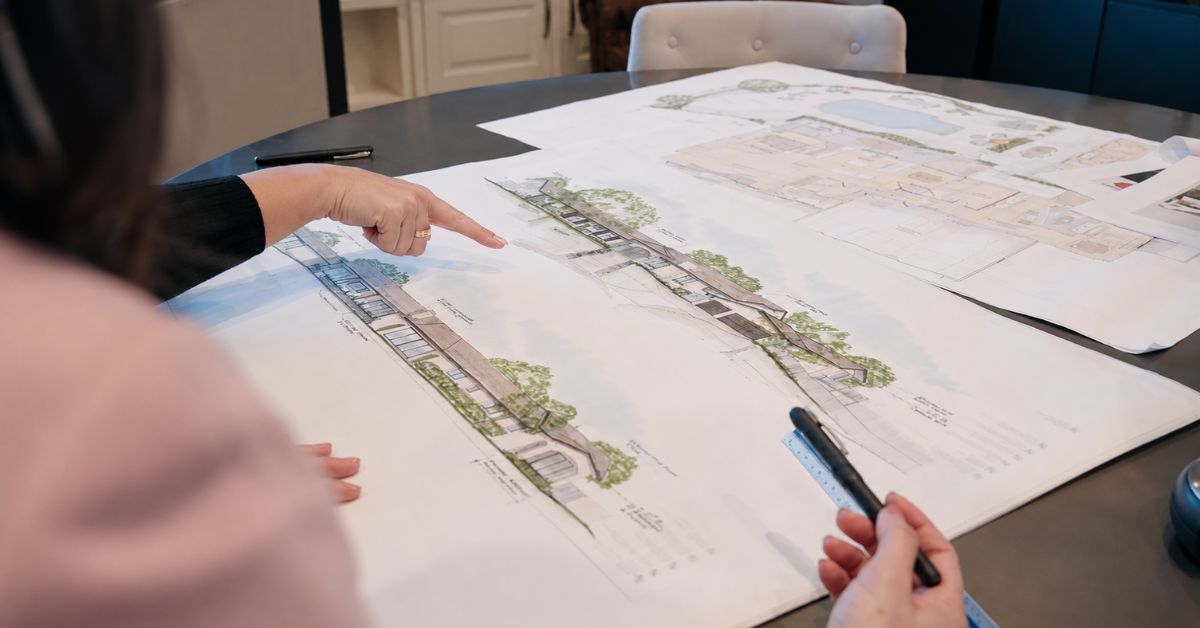
- Elevations
- Space planning
- Interior design
- Finish guidance
- Construction drawings
Without design clarity, pricing is often based on assumptions instead of finalized decisions.
Engineering
Engineering becomes especially important for:
- Wall removals
- Second-story additions
- Structural modifications
- ADUs
- Hillside homes
- Large additions can significantly impact the overall renovation cost if not properly estimated.
Lars’ own additions process includes structural due diligence for second-story projects, including engineering review to determine whether the existing structure can support the new level.

Permitting and Approvals
The estimate should clearly explain:
- Who pulls permits
- Who responds to city corrections
- Who schedules inspections
- Whether permit fees are included
The California Contractors State License Board (CSLB) states that home improvement contracts should include written direction about who is responsible for obtaining permits and should also provide a completion date.

Selections and Specifications
A quality estimate should specify — or clearly allowance — items such as:
- Cabinetry
- Countertops
- Flooring
- Tile
- Appliances
- Plumbing fixtures
- Lighting
- Hardware
- Paint finishes

Allowances
Allowances should explain:
- What the budget covers
- What quality level is assumed
- Whether the allowance realistically matches the homeowner’s expectations
Low allowances can make an estimate appear artificially cheaper upfront.

Project Management
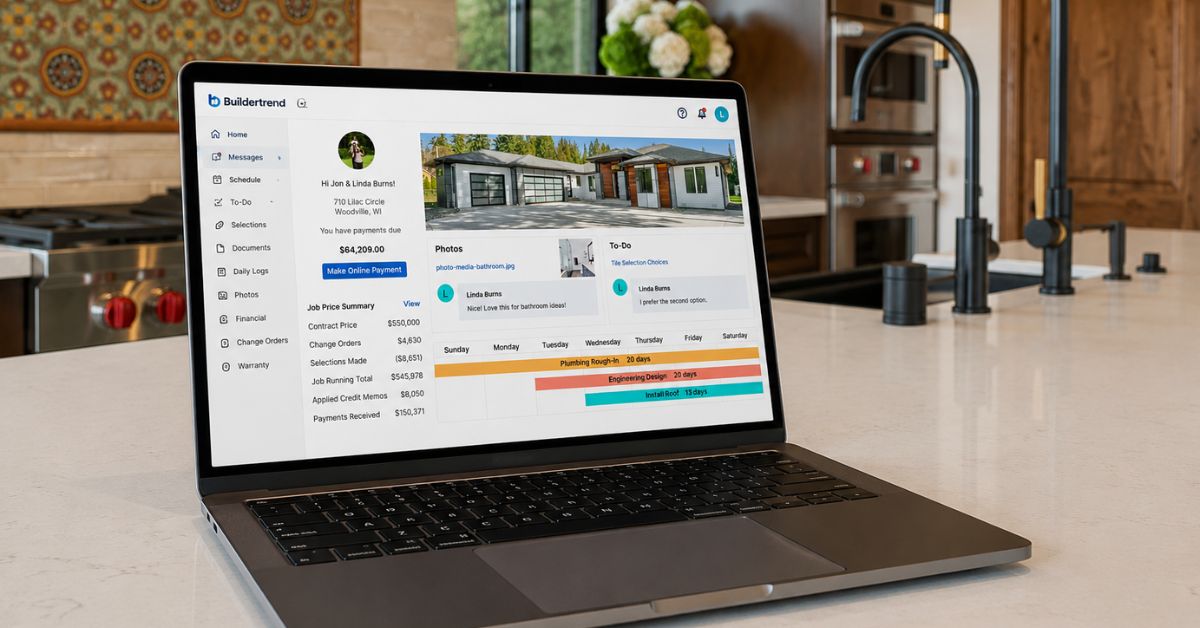
The estimate should identify who manages:
- Trades and subcontractors
- Scheduling
- Inspections are crucial for accurate cost estimates in any renovation project.
- Quality control
- Homeowner communication
Timeline
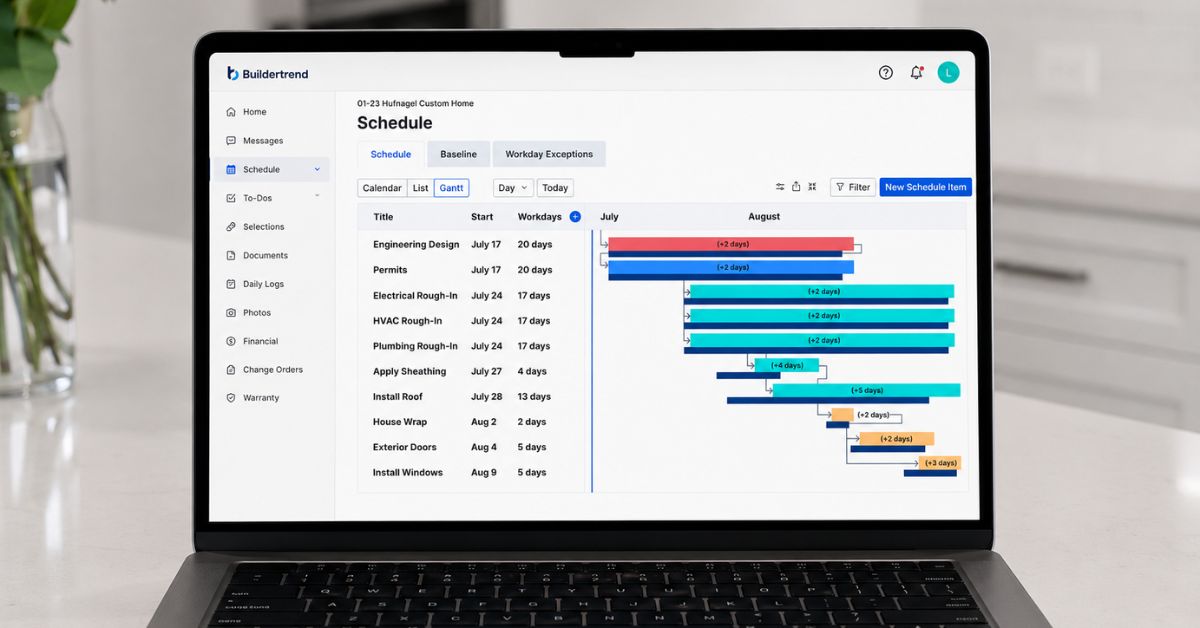
A realistic timeline should include:
- Design
- Selections
- Permitting
- Procurement
- Construction
- Inspections
- Final closeout
Warranty
CSLB also advises homeowners to get any labor or material warranty offered by the contractor in writing.
What Separates a Reliable Remodeling Estimate From a Risky One
| A Strong Estimate Includes | A Weak Estimate Often Misses |
|---|---|
| Detailed scope of work | Vague descriptions |
| Design and engineering clarity | Assumptions left undefined |
| Permit responsibilities | Unclear permit process |
| Realistic allowance | Artificially low budgets |
| Project management structure | No clear accountability |
| Written timeline and warranty | Undefined expectations |
If an estimate does not clearly explain scope, selections, permits, timeline, and warranty, it is not a complete comparison tool.

The Red Flags Hidden Inside a Low Home Improvement Project Estimate
A low remodeling estimate is not automatically a bad estimate. But if one proposal comes in dramatically lower than the others, homeowners should slow down and ask better questions before moving forward.
In many cases, a low bid is not cheaper because the contractor is more efficient — it is cheaper because important details, planning, or responsibilities have not been fully accounted for yet.

Red Flag #1: The Renovation Scope Is Vague
Watch for language like:
- “Standard finishes”
- “As needed”
- “Typical installation”
- “By owner”
- “Allowance TBD”
These phrases can hide major gaps in responsibility, labor, or material expectations. A serious estimate should clearly explain:
- What is included
- What is excluded
- What assumptions are being made
- What could change the renovation cost later includes unforeseen issues that arise during the estimator’s review.
Red Flag #2: Permits Are Missing or Unclear
Permitting is especially important in San Diego. The City of San Diego states that building permits are required for:
- Remodels
- Additions
- Improvements to existing homes
- Accessory structures and ADUs
If permits are not clearly addressed in the estimate, homeowners should ask:
- Who is pulling the permit?
- Are permit fees included?
- Who handles corrections and inspections?
Red Flag #3: Coastal, Hillside, or Canyon Conditions Are Ignored
Many San Diego properties involve site-specific regulations that can significantly affect cost and timeline.
The City notes that:
- Projects in the Coastal Overlay Zone may require a Coastal Development Permit
- Environmentally sensitive lands may trigger additional review
- Canyon-adjacent properties often involve additional restrictions
The City also states that grading which creates slopes steeper than 25% and 25 feet or higher may require a Site Development Permit.
If none of these issues are discussed in the estimate, the contractor may not have fully evaluated the property conditions.
Red Flag #4: Allowances Are Unrealistically Low
Low allowances can make an estimate look more affordable upfront while shifting the real cost into future change orders.
Common examples include:
- Unrealistically low appliance budgets
- Minimal tile or flooring allowances
- Builder-grade fixture assumptions
- Lighting budgets that exclude decorative fixtures
Red Flag #5: Change Orders Are Not Clearly Explained
If the estimate does not explain:
- What triggers a change order can often be linked to shifts in the estimated renovation cost.
- How pricing changes are approved
- How schedule impacts are handled
then homeowners may be exposed to surprise costs later.
Red Flag #6: Warranty Information Is Vague
A homeowner should know:
- What is covered
- How long coverage lasts
- Who handles warranty claims
- What happens after final payment
If warranty terms are unclear, accountability after the project may also be unclear.
A low bid may not be a discount. It may simply be a list of costs that have not shown up yet.
San Diego-Specific Questions Homeowners Should Ask Before Comparing Home Renovation Estimates
Not all remodeling projects in San Diego face the same rules, permitting paths, or property conditions. A remodel in La Jolla may involve very different requirements than a project in Poway, North Park, Point Loma, or Carlsbad.
That is why homeowners should ask more than just:
“How much does it cost?”
They should ask whether the contractor has fully evaluated the property, jurisdiction, permitting requirements, and project complexity before building the estimate.
Home Renovation Project Questions Every San Diego Homeowner Should Ask
- What jurisdiction is my project in?
- What permit type are you assuming?
- Who is responsible for pulling permits and responding to plan check comments?
- Have you checked whether my property is in a Coastal Overlay Zone?
- Could my property involve canyon, hillside, grading, stormwater, or environmentally sensitive land requirements?
- Does my project require structural engineering?
- Are architectural drawings and design services included?
- Are selections finalized or are some items still allowances?
- Are the allowances realistic for the finish level I want?
- How do change orders affect pricing and timeline?
- Who manages the project day to day?
- What warranty is included in writing?
ADUs Require Even More Due Diligence
ADUs have become a major part of the San Diego remodeling market. According to Inside San Diego, the City permitted 8,782 new homes in 2024, including more than 2,285 ADU homes.
The City of San Diego also states that:
- A building permit is required for every ADU or JADU
- There are no permit exemptions
- ADUs in the Coastal Overlay Zone may require a Coastal Development Permit in certain situations
The City’s ADU information bulletin also outlines zoning, permitting, and development requirements homeowners should understand before planning construction.
The right contractor should welcome these questions. Clear answers are a sign of process. Vague answers are a sign to slow down.
Why Design-Build Can Make Home Remodel Estimates More Reliable
One of the biggest reasons remodeling estimates become confusing is because the design process and construction process are often disconnected.
In a traditional remodeling setup:
- One company creates the plans
- Another company estimates the work
- Another manages construction
- The homeowner is left coordinating communication gaps between everyone involved
That disconnect can lead to:
- Incomplete scopes
- Misaligned expectations
- Missed details
- Pricing surprises
- Change orders later in construction
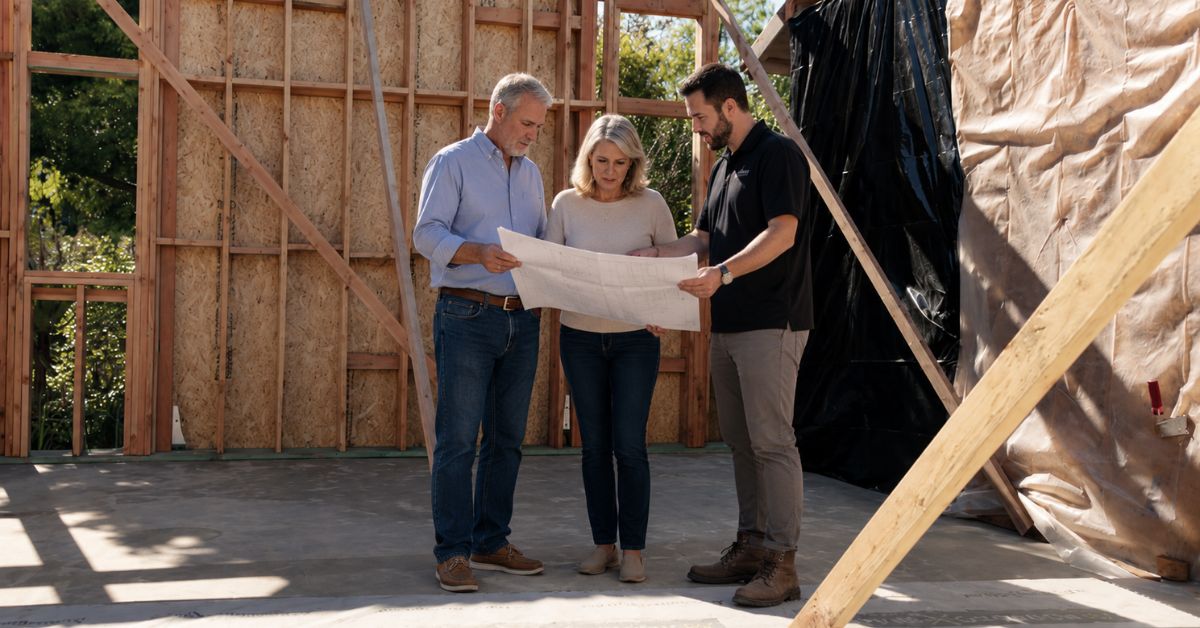
A design-build approach helps reduce that confusion because the same team is involved from the earliest planning stages through final construction.
How Design-Build Creates Better Estimate Clarity
At Lars Remodeling & Design, the entire remodeling process is coordinated under one contract and one integrated team. That means architecture, interior design, estimating, permitting, project management, and construction all work together instead of operating separately.
The result is typically:
- Fewer communication gaps
- More detailed scopes of work
- Better coordination between design and pricing
- More accurate budgeting
- Better timeline visibility
- Fewer surprises during construction
What the Design-Build Process Typically Includes
| Design-Build Phase | Purpose |
|---|---|
| Discovery and goal definition | Align project vision, needs, and priorities |
| Early cost clarity | Establish realistic investment expectations |
| Architectural and interior design | Develop layouts, finishes, and functionality |
| Detailed scopes of work | Define exactly what is included |
| Material and product specifications | Reduce allowance uncertainty |
| Permitting and approvals | Coordinate city review and compliance |
| Dedicated project management | Oversee scheduling and communication |
| Final walkthrough and warranty support | Ensure project completion and accountability |
Lars’ internal process also notes that the Design Agreement phase includes:
- Measurements and as-builts
- Concept development
- Interior design
- Selections
- Estimating
- Scope finalization
before the project moves into final construction pricing and build.
The goal is not just to get a number. The goal is to understand the project well enough that the number means something.
Conclusion: A Home Remodel Estimate Should Create Clarity — Not Confusion
A home renovation cost estimate should do more than provide a price. It should help homeowners understand the full picture of the project before construction begins — including scope, design, engineering, permitting, selections, allowances, timeline, project management, and warranty expectations. And a breakdown of the total cost, including labor costs and itemized costs for the specific project.
That level of detail matters even more in San Diego, where older homes, coastal regulations, hillside conditions, ADUs, and permitting requirements can all affect the true cost and complexity of a remodel. A lower estimate is not always a better estimate if important details have been left undefined.
The safest remodeling projects usually begin with the clearest planning process. When homeowners understand exactly what is included, what is excluded, and what assumptions are driving the price, they are in a much stronger position to compare contractors confidently and avoid costly surprises later.
Before choosing a remodeler, compare what is actually included — not just what it costs.
Frequently Asked Questions
What is the 30% rule in remodeling?
The “30% rule” is a general budgeting guideline that suggests homeowners should avoid spending more than roughly 30% of their home’s value on a single remodeling project unless they plan to stay in the home long term or the renovation is solving major functional issues. While not a hard rule, it is commonly used to help homeowners balance renovation investment with neighborhood home values and long-term resale considerations.
How do you estimate the cost of remodeling a home?
Home remodeling costs are typically estimated based on the project scope, square footage, design complexity, material selections, structural work, permitting requirements, labor, and project management needs. A reliable estimate should also account for architecture, engineering, allowances, inspections, and potential site conditions. The more complete the design and planning process is upfront, the more accurate the estimate usually becomes.
Why are some home remodeling estimates so low?
Some remodeling estimates are lower because they exclude important costs, use unrealistic allowances, or rely on incomplete planning assumptions. Missing permits, vague scopes of work, low material allowances, limited project management, or unaddressed structural and site conditions can all make an estimate appear cheaper upfront while increasing the likelihood of change orders and additional costs later.
Why are home remodeling estimates different?
Remodeling estimates can vary significantly because contractors may be pricing different scopes of work, finish levels, permitting assumptions, timelines, engineering requirements, or project management responsibilities. One estimate may include detailed planning, realistic allowances, and construction oversight, while another may only cover basic construction costs. Two projects may sound similar in conversation while being priced very differently behind the scenes.