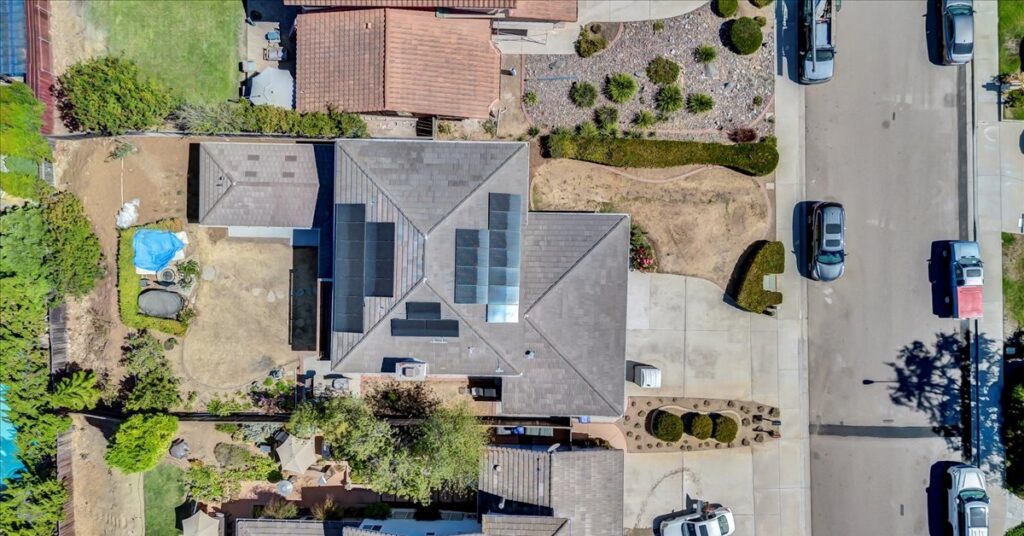


TL;DR: Planning and designing a multi-generational home requires balancing privacy, flexibility, and connection for every family member. This guide explores how thoughtful floor plans, separate entrances, and adaptable living spaces can help multiple generations live comfortably together.
Key Takeaways:
As more families choose to live together under one roof, the demand for thoughtful, flexible home design continues to grow. Today’s homeowners are no longer simply adding an extra bedroom for aging parents or returning adult children—they’re intentionally designing a multi-generational home that supports comfort, privacy, and connection for every generation.
From waterfront properties to suburban family homes, multigenerational home designs are evolving to meet the changing needs of modern families. The challenge is finding the right balance between shared living and personal space since they typically are connected or in some cases, use a duplex house plan. Successful layouts create opportunities for togetherness while still allowing each family member to maintain independence. privacy and a place to unwind.
Whether you’re planning a remodel or designing a custom home plan for multi-generational living, thoughtful planning makes all the difference.
The rise of multigenerational living is driven by several factors. Housing costs continue to increase, families want to stay connected, and many households are caring for aging parents while also supporting young adult children and shared expenses.
For many families, living together creates financial flexibility while strengthening relationships. It also allows multiple generations to support one another more easily in daily life.
However, a successful multi-generational home requires more than simply adding square footage. Living house plans are just as important. The best homes are intentionally designed around the routines, ages and abilities, lifestyles, and privacy needs of every family member.
That’s why modern multigenerational home designs focus heavily on layout strategy.
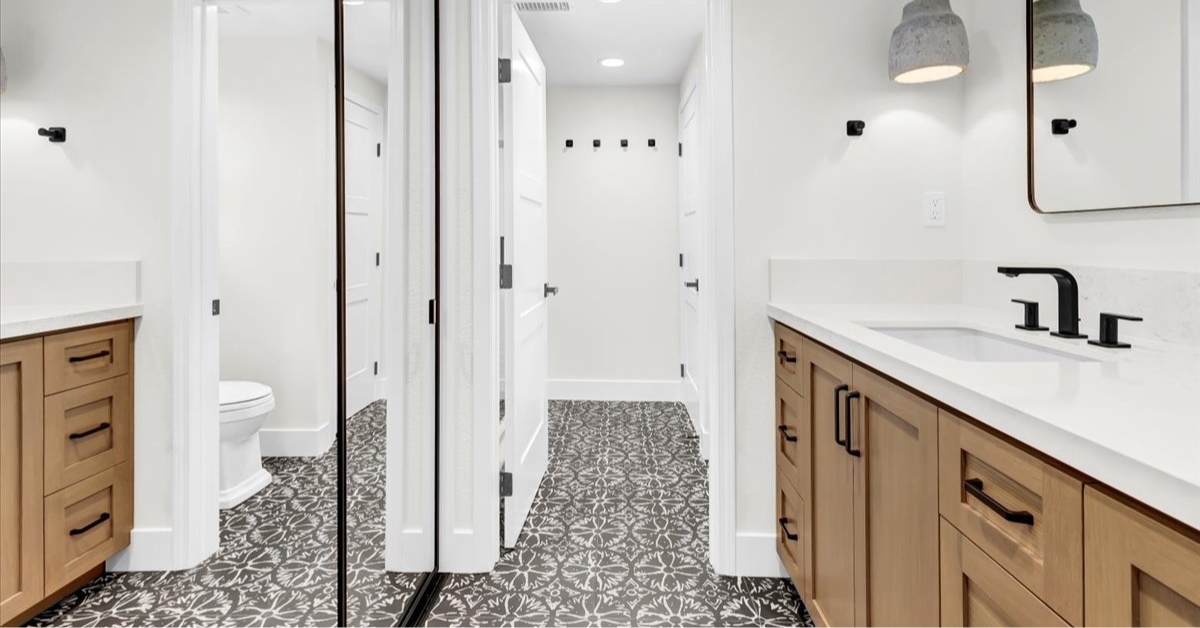
One of the most important aspects of designing for multi-generational living is allowing for privacy.
When several generations share a home, everyone needs space to relax, recharge, and maintain independence. This is especially important in homes with aging parents, young children, and adult children all living together.
A well-designed layout helps prevent the home from feeling crowded or chaotic.
Some of the most effective design strategies include:
These elements allow the home to function more smoothly for everyone involved.
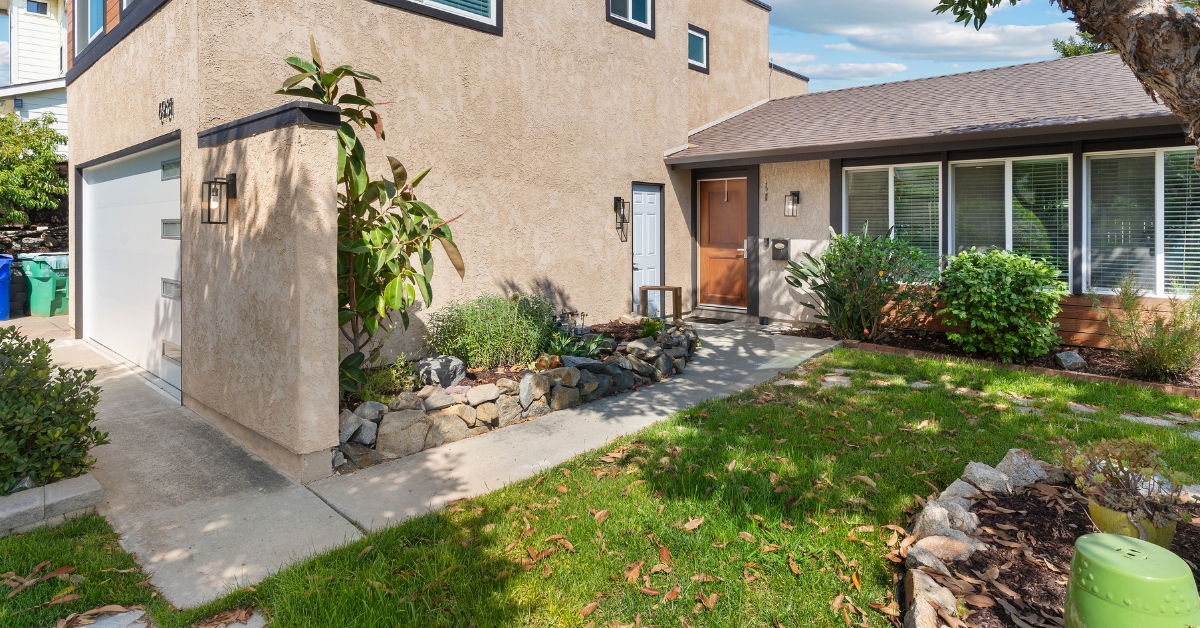
One of the most requested features in modern multi-generational homes is separate entrances.
Separate entrances create independence without sacrificing connection. For older parents, this can provide a greater sense of autonomy. For adult children, it allows flexibility while still remaining close to their family’s main house for security and economy.
This feature is especially valuable in guest suites, attached casitas, in-law suites, converted garages, and lower-level living spaces. By giving family members their own access point, the home feels more comfortable and functional for everyone involved.
In many cases, separate entrances also improve the long-term flexibility of the home. These spaces can later be adapted for guests, live-in caregivers, or extended family members as household needs evolve over time.
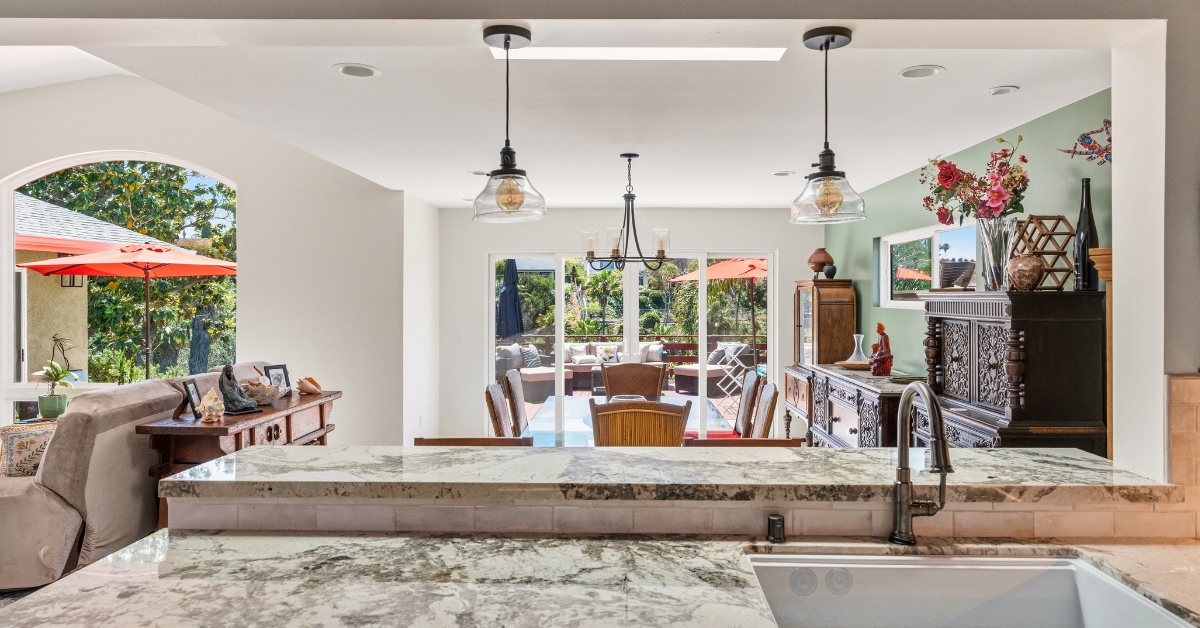
While privacy matters, connection is equally important in multi-generational households.
Shared gathering areas create opportunities for everyday interaction and help strengthen family relationships. These spaces are often the emotional center of the home.
Popular shared spaces include:
The key is designing these spaces to feel welcoming without becoming overcrowded.
Many families also prioritize flexible layouts that allow different generations to be together while maintaining use of the spaces in different ways throughout the day.
In many multigenerational home designs, the primary suite plays an important role in balancing privacy and functionality.
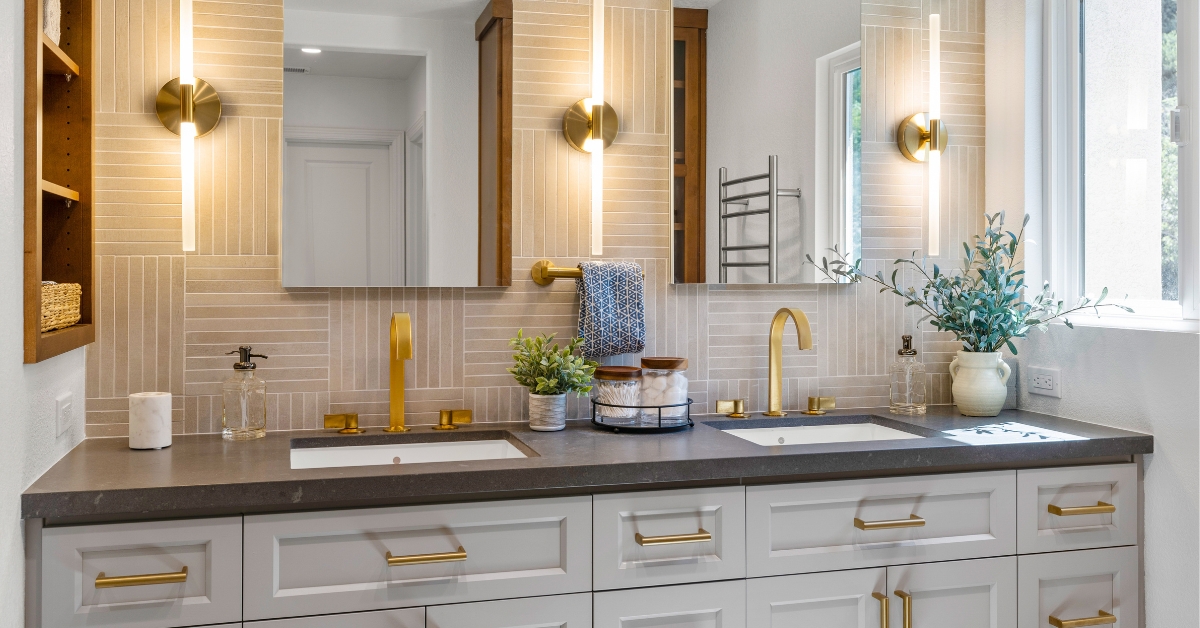
Depending on the family structure, the dual master suites may be designed for aging parents, homeowners, or both. These spaces are often planned with long-term comfort in mind, incorporating features like ground-floor access, larger bathrooms, walk-in showers, and wider hallways or doorways for improved accessibility. Quiet separation from high-traffic areas of the home also helps create a more peaceful and private retreat.
A thoughtfully designed primary suite can provide comfort, independence, and flexibility while supporting aging-in-place goals for years to come.
When families build from the ground up, they gain the opportunity to create a layout tailored specifically to their lifestyle.
Designing a custom home for dual living allows for greater flexibility in:
Custom homes also make it easier to include features like:
This level of personalization helps the home evolve as family needs change over time.
There’s no one-size-fits-all solution when it comes to multi-generational living. Every family functions differently, which is why thoughtful planning is so important.
Some of the best tips for designing a multi-generational home plan include prioritizing flexibility, creating layered privacy, and planning for future needs—not just current ones. Families should think carefully about traffic flow, noise control, storage needs, and how shared spaces will be used throughout the day.
It’s also important to design with adaptability in mind. A home that works well today should still function beautifully years from now as children grow older and parents age.
The most successful homes feel intentional—not temporary.
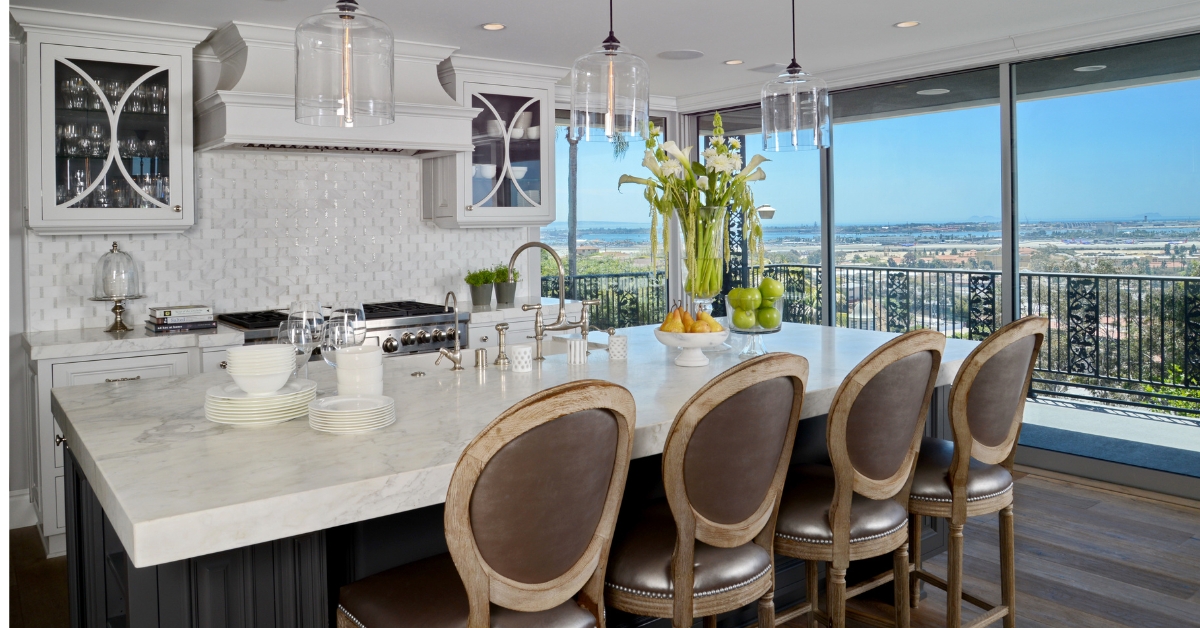
Waterfront properties present unique opportunities and challenges when it comes to multi-generational living.
If you’re exploring how to design a multi-generational waterfront home, the layout should maximize views while being designed to provide separate areas of privacy between generations.
Popular strategies include:
Because waterfront homes are often designed for entertaining, balancing openness with personal privacy becomes especially important.
Thoughtful space planning ensures the home feels luxurious, functional, and relaxing for every generation. Sometimes even with multiple master suites.
One of the biggest advantages of thoughtful multi-generational design is long-term adaptability.
Families evolve. Children grow older. Parents may eventually require more support. Adult children may move in temporarily before transitioning out again.
That’s why designing for multiple generation living requires flexibility.
Spaces that can shift function over time—such as bonus rooms, guest suites, or offices—help the home remain useful for years to come.
Future-focused planning also improves long-term value by making the home more versatile for changing lifestyles.
The best multi-generational house plans succeed because they create both privacy and connection simultaneously.
Families want opportunities to gather together while still having personal space when needed. Successful house plan layouts designed achieve this balance through:
Instead of feeling crowded, the home feels layered and functional.
This balance is what transforms a house into a truly successful multi-generational environment.
As family dynamics continue to evolve, multigenerational living will likely become even more common.
Today’s homeowners are looking beyond short-term solutions and investing in homes designed with flexible spaces, comfort, and longevity. Whether you’re remodeling your existing property or designing a custom house plan with in-law suites, thoughtful planning is essential when catering to the needs of a multi-family home.
The most successful multigenerational home designs don’t just create more space—they create better ways to bring families closer.
Because when designed well, a multi-generational home doesn’t simply accommodate multiple generations.
It helps them thrive together and continuously provides for evolving family needs as they live closer together.
If you’re ready to take the next step in optimizing your San Diego home for multigenerational living, reach out for a complimentary in-home design consultation or sign up for our Educate Before You Renovate event. Let’s create a home that perfectly balances privacy and togetherness for your family’s unique needs.

The primary bedroom is the one room in your home that belongs entirely to you. It’s where the day starts and ends, where you retreat when the rest of the house is at full volume, and where the quality of design either restores you or doesn’t. Most San Diego homes were built with primary bedrooms […]
Hiring a remodeling contractor is one of the largest financial decisions most San Diego homeowners make. A kitchen remodel, home addition, or whole-home renovation involves significant money, months of living disruption, and a contractor working inside your most valuable asset. The protections you put in place before work starts determine how much control you keep […]
You need more space, but a full room addition feels like a bigger project than you’re ready to take on. That’s where a bump-out comes in. A bump-out addition is one of the most practical, cost-effective ways to expand a San Diego home without the complexity of a full-scale addition — and for the right […]
See What Happy Clients Are Saying About Us
When you decide to remodel your home in San Diego, count on our team of experienced builders and talented home design contractors to handle every stage of the design-build process diligently and professionally. We apply a wide range of skills to transform your living space with style and precision:
We’ll discuss the length of your project during an initial consultation. Although the scope of a project will determine its length, we can provide you with an approximate estimate early on.
For more information, get in touch with our home remodeling contractors in San Diego. We’ll ask you a series of detailed questions about the upcoming home remodel, which will help us prepare a preliminary estimate.
It’s the complexity of each remodel, as well as the desired goals and needs of each client, that makes each project unique. Besides the type and size of your home improvement in San Diego, the cost of materials needed plays a key role in setting up the budget.
Feel free to give us a call if you have any questions regarding the final costs of the project and consult with our experts directly. Our home design contractors will be happy to answer all of them and provide you with a more accurate estimate.
Before adding a room addition to your San Diego property, conduct a thorough inspection of your home and clarify your objectives:
Finally, you should know who to turn to for advanced assistance. Luckily, there’s a reputable local company serving San Diego communities. We at Lars Remodeling & Design would be happy to offer a detailed outline of the key aspects of your project.
For substantial additions or major renovations, it might be a good idea to think about staying somewhere else. To stick to your budget, you could stay with friends or family, or rent a place nearby so you can easily keep an eye on the remodeling progress. As experienced remodeling contractors, we’re eager to learn more about your project and explore all your options with you. Don’t hesitate to give us a call!
Absolutely. However, the value of such a renovation largely depends on factors like the property’s location, the extent of work required, and the current market conditions. For any home design or design-build project, it’s advisable to consult directly with our experienced contractors. We’ll access your San Diego residence to identify the type of remodel that would offer you the best return on investment.