


Did you know that your home’s interior design can significantly impact your mood? It’s true, and it’s known as the Psychology of Color. As a homeowner, you have the power to shape your living space to meet your emotional needs.
Lars Remodeling & Design, San Diego’s top remodeling firm, shares how you can use design elements to enhance your mood and quality of life. Transform your home into a serene oasis or an energizing creative hub by thoughtfully selecting colors, lighting, textures, and spatial arrangements.
The Psychology of Color Theory explores how different colors can affect human emotions, behavior, and decision-making processes. It examines the associations and psychological responses people have to various colors, influenced by cultural, personal, and contextual factors. Here are some key concepts in color psychology:
Red: Often associated with energy, passion, excitement, and action. It can also indicate danger or evoke feelings of aggression.
Blue: Generally linked to calmness, trust, and professionalism. Commonly used in corporate settings to evoke serenity.
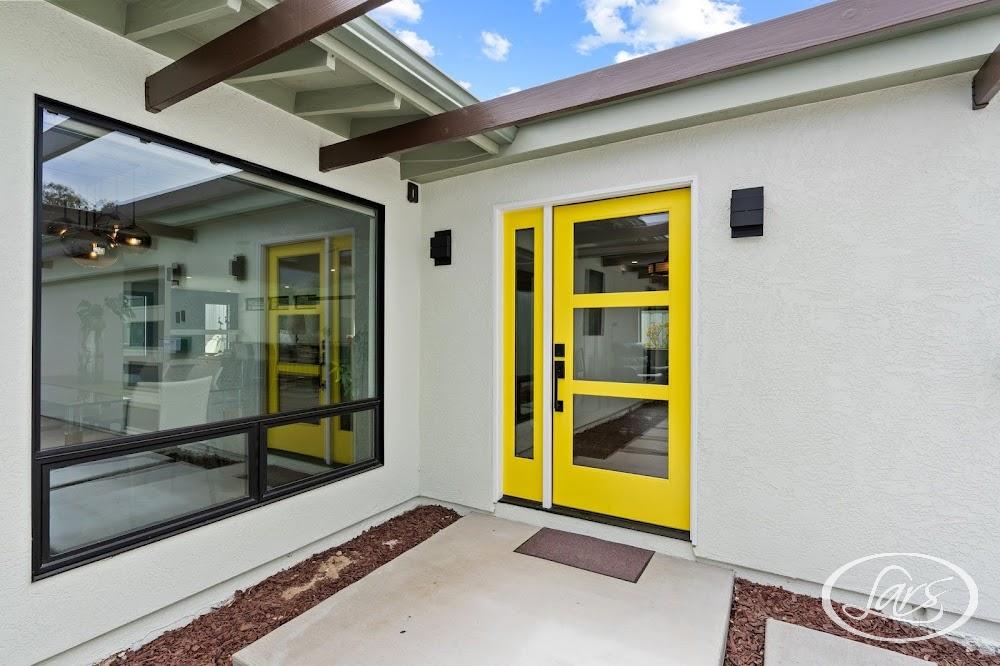
Yellow: Represents happiness, optimism, and warmth. It can also indicate caution (e.g., traffic signs).
Green: Symbolizes nature, growth, health, and tranquility. Often used by eco-friendly and health-focused brands.
Orange: Conveys enthusiasm, creativity, and energy. It can be used to stimulate appetite and is popular in the food and beverage industry.
Purple: Associated with luxury, sophistication, and creativity. It is often used in beauty and high-end products to evoke a sense of elegance.
Black: Symbolizes power, sophistication, and mystery. Frequently used in luxury brands and can also convey authority and formality.
White: Represents purity, simplicity, and cleanliness. Common in healthcare and technology industries to convey clarity and efficiency.
Pink: Evokes femininity, compassion, and love. Often used in products targeting women and children.
Brown: Associated with stability, reliability, and comfort. Used in organic and natural products to convey wholesomeness.
Design isn’t just about aesthetics; it’s about creating an environment that cultivates calmness, stimulates the senses, and boosts productivity. This guide explores how strategic interior design choices can make your home a nurturing haven. Unlock the transformative power of design to turn your home into a sanctuary that perfectly complements your lifestyle.
– Strategic color choices can impact emotions and enhance mood.
– Incorporating soft furnishings and cozy accents can increase comfort.
– Biophilic design, with natural elements and earthy color palettes, promotes tranquility and well-being.
– Thoughtful lighting choices can uplift spirits and boost emotional well-being
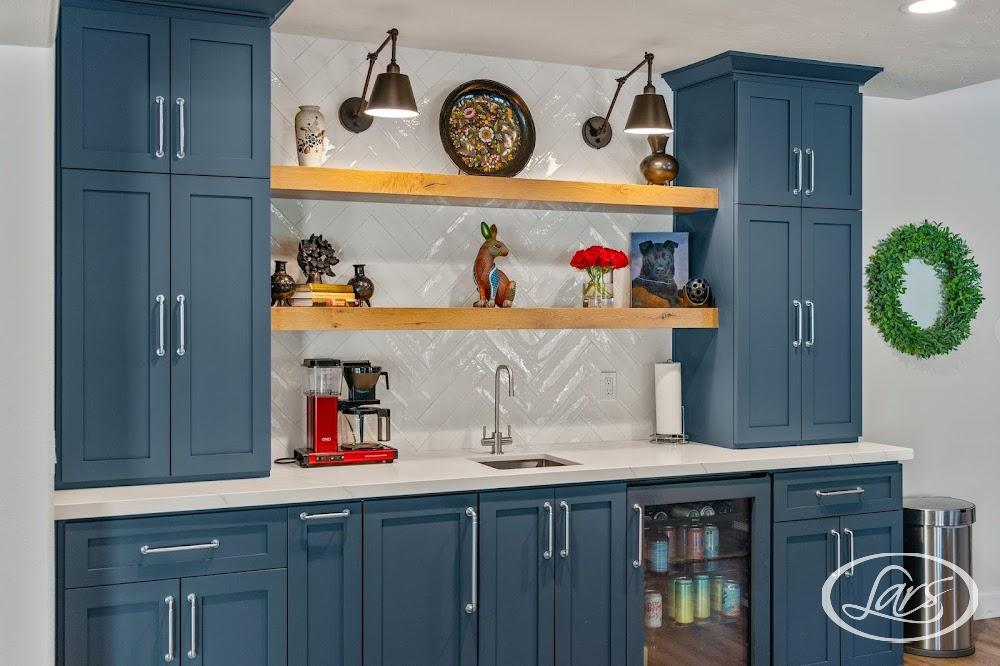
Colors in your home can significantly influence your emotions and overall mood. Warmer colors like reds and oranges stimulate and invigorate, perfect for a home office. Cooler colors such as blues and greens evoke calm and tranquility, ideal for bedrooms or meditation spaces.
Designing with color extends beyond painting your walls. It includes your choice of furniture, accessories, and even lighting. The shades you select can create a harmonious flow from room to room, creating an overall ambiance that resonates with your emotional needs.
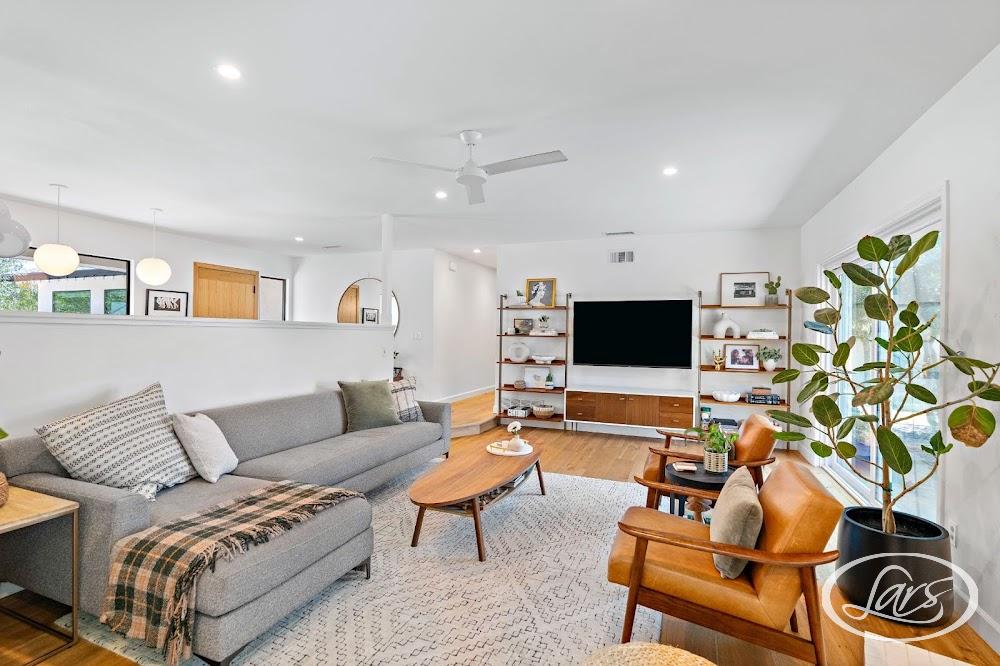
The right blend of textures can turn your living space into a cozy haven, making you feel safe and comfortable. Fabric choices offer a world of tactile sensations that profoundly influence your emotional state.
Consider these three elements:
These elements can transform a stark and sterile environment into a comforting refuge, a place to relax and recharge after a hectic day.
Creating a comfortable space involves understanding how different textures can influence your emotions. It’s about designing a space that not only looks beautiful but also feels warm and inviting.
Begin by experimenting with various textures to transform your living space into a sanctuary of comfort and tranquility.
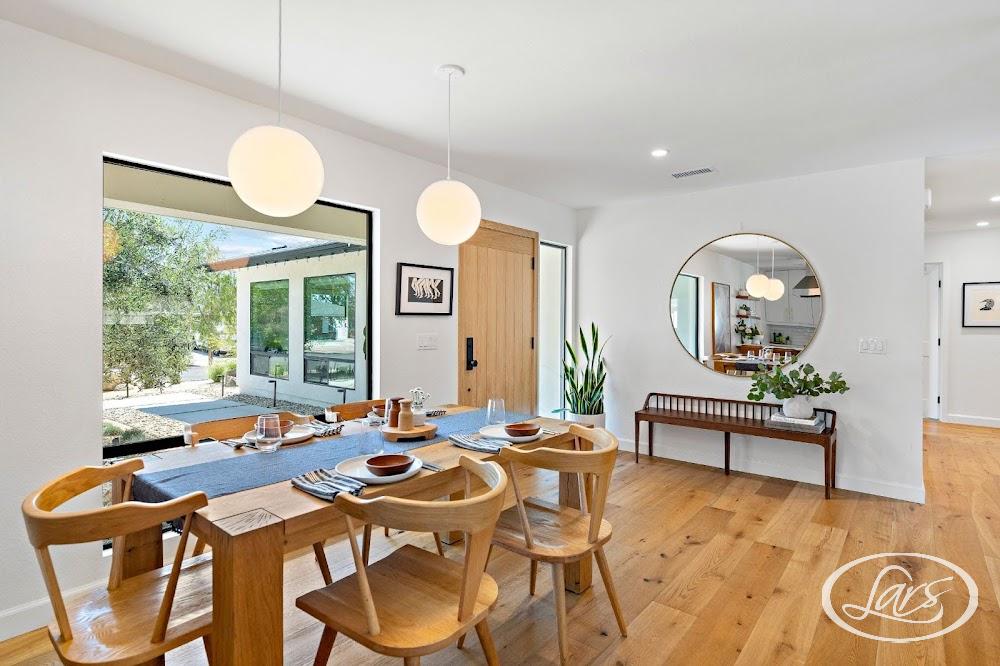
Lighting is an essential design element that dramatically affects how you perceive and interact with your surroundings. Lighting psychology studies the impact of illumination on human emotions, creating mood-enhancing illumination that can uplift your spirits and boost your emotional well-being.
Consider the effects of different lighting techniques. Soft, warm lighting creates a cozy atmosphere for relaxation or intimate gatherings. Bright, cool lighting stimulates alertness and productivity, ideal for your home office or workout space. Accent lighting, such as under-cabinet lights or wall sconces, highlights architectural details or artwork, adding depth and drama to your space. Task lighting, such as desk lamps or pendant lights over your kitchen island, improves functionality and lessen eye strain.
Each space in your home serves a unique purpose, and the lighting should reflect that. Effective use of lighting transforms your space just visually and emotionally.
The layout of a room can greatly influence your emotional well-being. Consider how furniture placement contributes to the ambiance. The strategic positioning of a beloved couch or a cherished table can evoke feelings of comfort and familiarity, truly making the space your own.
Flow dynamics also play a significant role. Smooth, unobstructed movement through a room creates a sense of ease and tranquility, while cluttered traffic patterns can cause stress.
Functional zones are equally important. Designating areas for specific activities, like a reading nook or a play area, helps to organize your thoughts and improve focus.
When crafting your ideal living space, harmony is key. A balanced, thoughtful layout does more than just please the eye; it elevates the spirit. With the right approach to room layout, you’re not just designing a space, you’re creating an environment that enhances your emotional well-being, one room at a time.
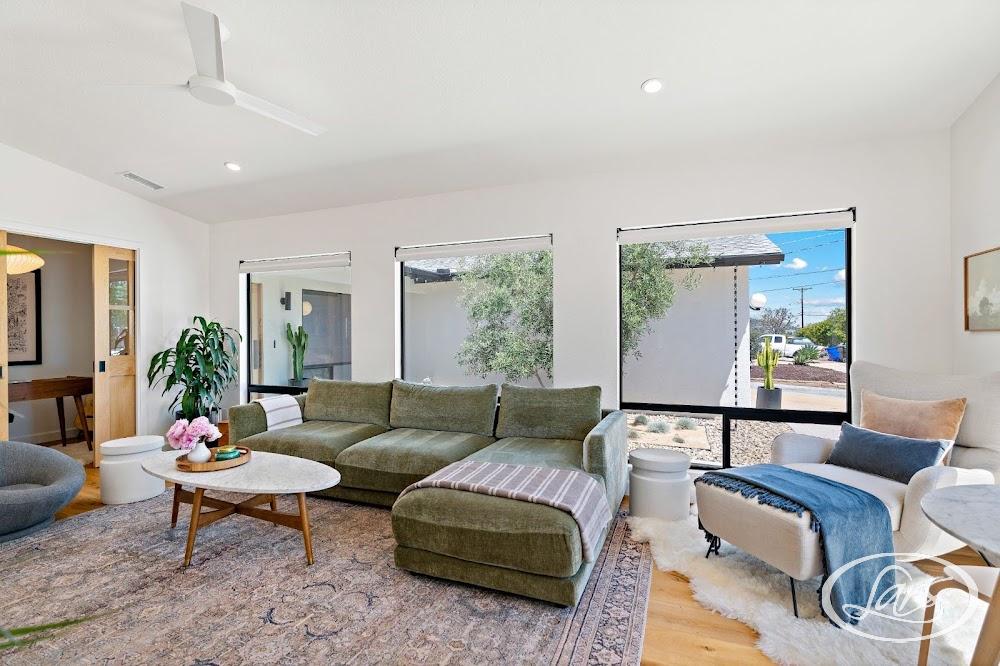
Incorporating natural elements into your living space can create a calming oasis in your own home. Take inspiration from the outside world and infuse your interiors with nature-inspired decor. This is a part of what design experts call biophilic design, a concept that fosters a deep connection with nature and promotes well-being.
Consider integrating water features that mimic the soothing sounds of a babbling brook. Use organic materials like stone and wood accents for textural richness. An earthy color palette complements these natural elements, further enhancing the serene environment.
Promote tranquility with the addition of a Zen garden or botanical prints. Indoor plants purify the air and provide a soothing green accent that is aesthetically pleasing. Natural light transforms a space, giving it an airy, open feel that reduces stress.
By incorporating these design elements, your living space becomes a sanctuary, a place to unwind and rejuvenate.
For more expert guidance, RSVP for our Educate Before You Renovate™ event held every month. Contact us by calling 858.683.0986, email lars.concierge@larsremodel.com, or visit our website to learn more.
Consider seasonal adjustments to your interior design every few months. Leverage color psychology, lighting influence, aromatherapy integration, and thoughtful textile choices to keep your environment fresh, stimulating, and mood-elevating.
Harness color psychology by choosing uplifting hues. Manipulate lighting for mood-enhancing effects. Strategically accessorize for impact, incorporate plants for a refreshing vibe, and create DIY decorations for personalized charm. These cost-effective tweaks can transform your space.
Incorporate personalized lighting, artistic displays, and emotional color schemes to reflect your identity. Use memory-inspired decor and sentimental accessories subtly, ensuring they contribute to, rather than disrupt, the overall mood of your space.
Furniture’s color psychology, placement, material, and style significantly impact a room’s ambiance. Multi-functional pieces add convenience, enhancing satisfaction. Thoughtful selection can harmonize your space, subtly positively influencing emotions and behaviors.
Absolutely! Leveraging color psychology, manipulating lighting effects, and playing with textures can significantly uplift your mood. Furthermore, plant incorporation and aroma impact can create a nurturing environment, enhancing overall well-being.
In summary, your home’s design can significantly affect your mood and Lars Remodeling & Design understands this and will discuss it during the design phase of your remodel.
With thoughtful use of color, texture, lighting, room layout, and natural elements, you can transform your living space to suit your emotional needs.
Whether you’re after a cozy haven or a vibrant creative hub, these tips from San Diego’s top remodeling experts can help you create an environment that elevates your quality of life.
Your home should be more than just aesthetically pleasing; make it a nurturing sanctuary.

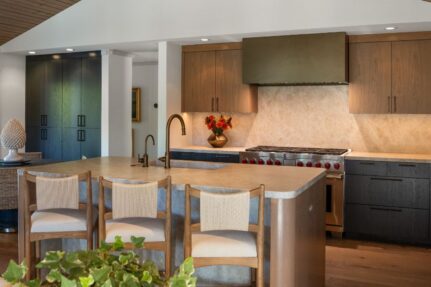
Client Success Story SPENCER & ADIAHA Kitchen & Powder Bath Remodel • Rancho Santa Fe, CA 2 Spaces Transformed 15 Months Total Build Time KITCHEN & BATH Project Type HOME SHOW EVENT How They Found Us Their Story Spencer and Adiaha Donkin came to Lars with a clear sense that the heart of their Rancho […]

TL;DR: Planning and designing a multi-generational home requires balancing privacy, flexibility, and connection for every family member. This guide explores how thoughtful floor plans, separate entrances, and adaptable living spaces can help multiple generations live comfortably together. Key Takeaways: Successful multigenerational home designs prioritize communal living spaces and yet include more private areas for independent […]
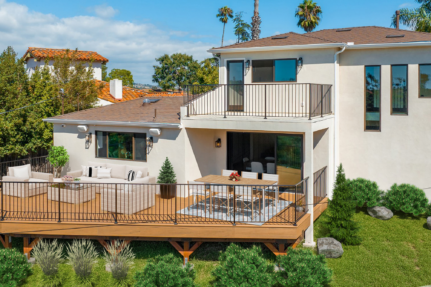
How Much Does a Whole-Home Remodel Cost in San Diego? TL;DR: Curious about whole home remodel cost in San Diego? This guide explains what impacts pricing, whether luxury remodeling is worth the investment, and how thoughtful home renovations can improve both lifestyle and long-term value. Key Takeaways: The whole house remodel cost depends on size, […]
See What People Are Saying About Us
When you decide to remodel your home in San Diego, count on our team of experienced builders and talented home design contractors to handle every stage of the design-build process diligently and professionally. We apply a wide range of skills to transform your living space with style and precision:
We’ll discuss the length of your project during an initial consultation. Although the scope of a project will determine its length, we can provide you with an approximate estimate early on.
For more information, get in touch with our home remodeling contractors in San Diego. We’ll ask you a series of detailed questions about the upcoming home remodel, which will help us prepare a preliminary estimate.
It’s the complexity of each remodel, as well as the desired goals and needs of each client, that makes each project unique. Besides the type and size of your home improvement in San Diego, the cost of materials needed plays a key role in setting up the budget.
Feel free to give us a call if you have any questions regarding the final costs of the project and consult with our experts directly. Our home design contractors will be happy to answer all of them and provide you with a more accurate estimate.
Before adding a room addition to your San Diego property, conduct a thorough inspection of your home and clarify your objectives:
Finally, you should know who to turn to for advanced assistance. Luckily, there’s a reputable local company serving San Diego communities. We at Lars Remodeling & Design would be happy to offer a detailed outline of the key aspects of your project.
For substantial additions or major renovations, it might be a good idea to think about staying somewhere else. To stick to your budget, you could stay with friends or family, or rent a place nearby so you can easily keep an eye on the remodeling progress. As experienced remodeling contractors, we’re eager to learn more about your project and explore all your options with you. Don’t hesitate to give us a call!
Absolutely. However, the value of such a renovation largely depends on factors like the property’s location, the extent of work required, and the current market conditions. For any home design or design-build project, it’s advisable to consult directly with our experienced contractors. We’ll access your San Diego residence to identify the type of remodel that would offer you the best return on investment.