
The Blog
Find invaluable resources and inspiration for your home and your life with detail-oriented stories, design how-tos, and recipes from resident experts from Lars Remodeling and Design. This is your one place for all information and imagination you require.
01.
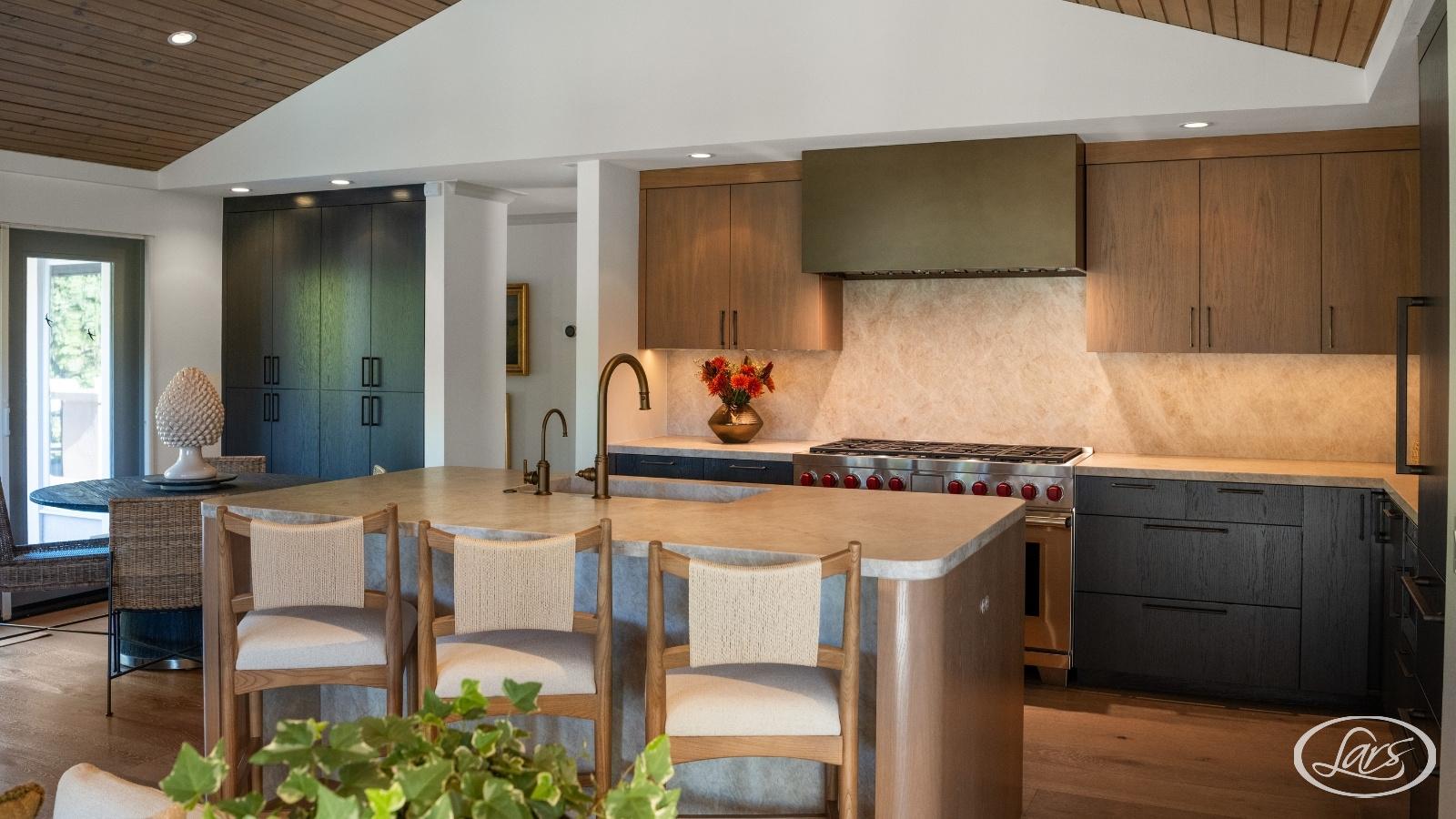
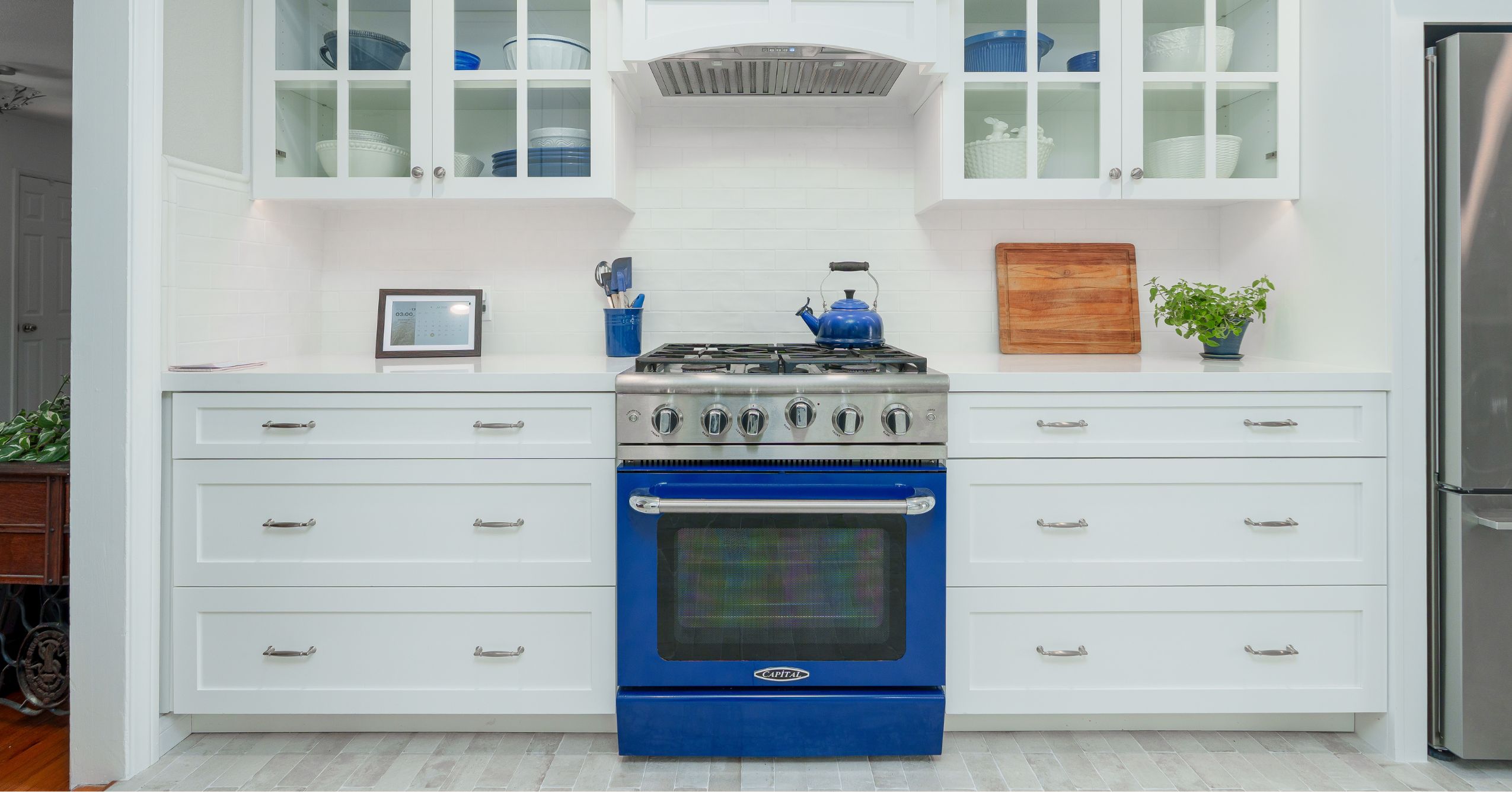
Point Loma Kitchen Remodel: Case Study
Client Success Story Cynthia Kitchen Remodel • Point Loma, San Diego, CA 3 Spaces Transformed 6 Months Total Build Time KITCHEN Project Type FACEBOOK AD How They Found Us Their Story For years, the kitchen at the heart of Cynthia’s Point Loma home had been the source of daily frustration — outdated electrical, poor lighting, a stove tucked […]
Whole Home Remodel & Second-Story Addition in San Diego, CA
Client Success Story Christopher & Kathy Whole Home Remodel & Second-Story Addition • San Diego, CA 8 Spaces Transformed 9 MONTHS Total Build Time WHOLE HOME + ADDITION Project Type GOOGLE How They Found Us Their Story Christopher and Kathy loved their San Diego neighborhood too much to leave it. As their family grew, they […]
San Diego ADU Regulations 2026: City and County Requirements
San Diego ADU requirements depend on which agency governs your parcel. Inside the City of San Diego, an accessory dwelling unit may be up to 1,200 square feet with no parking space required. In the unincorporated County, the standards differ, starting with a parking requirement. Both allow up to four units on a typical single-family […]
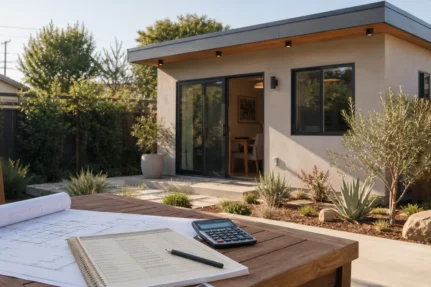
What Does It Cost to Build an ADU in San Diego in 2026?
There is no single official 2026 average for the cost of building an ADU in San Diego. Based on Lars Remodeling & Design’s experience planning and building local ADUs, homeowners can use several broad investment ranges as an initial guide: approximately $90,000–$150,000+ for a garage conversion, $120,000–$200,000+ for a junior ADU, $200,000–$350,000+ for an attached […]
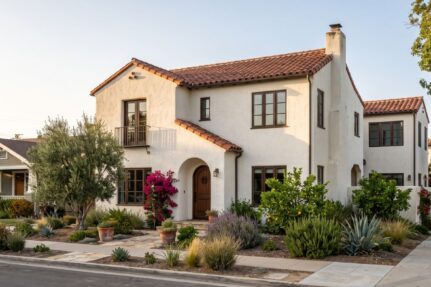
Remodeling in a San Diego Historical District
San Diego’s historic districts include far more than the 11 places named in older lists. As of August 12, 2026, the City of San Diego Historical Districts GIS dataset contained 30 mapped records. A separate March 2025 City inventory report also reported 30 known districts as of October 2024, but its list is not identical. […]

5 Smart Home Upgrades for Your Remodel
You have already decided to give your residence a whole new look, yet you’d like to add some smart features to improve the overall functionality and comfort. If you’re planning to sell your property, such upgrades can positively influence the appraisal value. It’s important to devote some time to scan your home for areas that […]
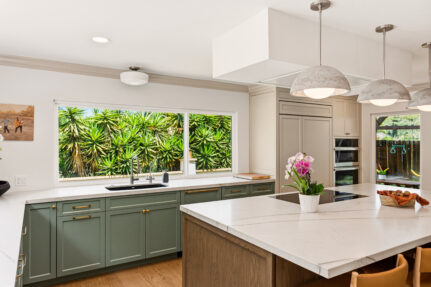
Warm and Functional Whole Home Remodel Case Study: San Diego, CA
Client Success Story Sandy & Reza Family Whole Home Remodel • San Diego, CA 8 Spaces Transformed 10 Months Total Build Time WHOLE HOME Project Type GOOGLE How They Found Us Their Story Sandy and Reza came to Lars with a clear point of view: their 1977 San Diego home needed to work better before it […]
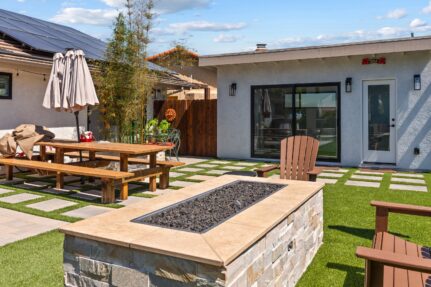
San Diego ADU Guide 2026: Costs, Rules & Timeline
Plan a San Diego ADU up to 1,200 square feet with current cost, permit, setback, financing, rental, and project-timeline guidance for local homeowners.
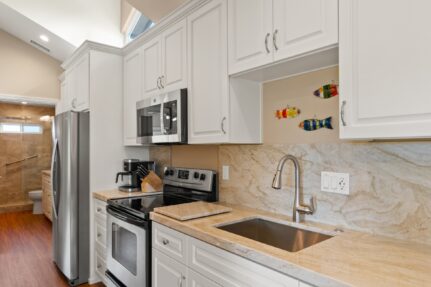
Home Remodel Budget: How Much Should You Actually Spend?
Most homeowners should keep total renovation spending under 30% of their home’s current market value. On a $900,000 San Diego home, that’s a $270,000 ceiling across every project combined. Individual rooms carry tighter guidelines than that, and the bigger risk usually isn’t spending too much overall. It’s spending too much relative to the houses around you. […]
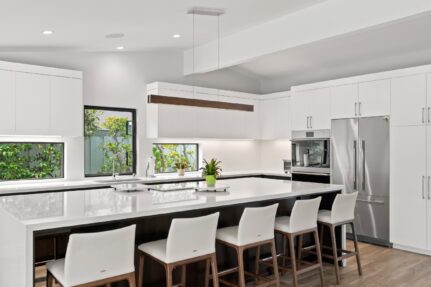
How Much Does a Kitchen Remodel Cost in San Diego?
A kitchen remodel in San Diego costs between $25,000 and $150,000+ for most projects, with luxury and addition-scale work reaching $300,000 or more. What separates a $30,000 kitchen from a $130,000 one isn’t finish quality. It’s scope. This 2026 guide breaks down what each level actually costs, and what most quotes leave out. Key Takeaways Typical San Diego […]
