Creating an accessible home in San Diego goes beyond installing ramps and grab bars. It’s about designing spaces that allow you to live comfortably and independently, no matter your mobility challenges.
From your kitchen to your backyard, this room-by-room guide will help you transform every corner of your home into a space that supports your needs without sacrificing style or comfort.
We’ll explore how to make your bathrooms more disability-friendly, enhance safety in bedrooms, and even improve outdoor living areas to ensure a seamless living experience.
The kitchen is often the heart of the home, and it should be fully accessible to all. To adapt your kitchen for mobility challenges, focus on the placement of appliances and adequate lighting.
With a few thoughtful modifications, your kitchen can remain functional, stylish, and fully accessible, making everyday tasks more manageable.
Redesigning your bathroom with accessibility in mind can transform it into a safe, comfortable space. By applying universal design principles, you can ensure that the bathroom works for everyone, regardless of mobility.
By making these adjustments, your bathroom becomes a haven that promotes both functionality and peace of mind.
The bedroom should be a space for rest and relaxation, but it also needs to be secure and accessible for those with mobility challenges. A few simple modifications can make a big difference.
By making these changes, you can create a bedroom that fosters both independence and safety.
Outdoor spaces are often overlooked when considering accessibility, but they’re just as important. Ensuring that your patios, decks, and gardens are accessible helps you enjoy your entire home.
With these updates, your outdoor spaces can be as accessible and inviting as the rest of your home.
Your living and dining spaces should be designed for comfort and easy navigation, especially if mobility aids are used.
By making these modifications, you can create living spaces that are both functional and stylish, catering to all accessibility needs.
To make your home more accessible for those with hearing impairments, install visual alerts for doorbells and phone notifications, such as flashing lights when these devices are activated. Equip televisions with captioning features, and consider amplified telephones or hearing loops for better sound clarity. Safety features like smoke detectors with strobe lights is also helpful.
Start by ensuring your desk is at a comfortable height and consider ergonomic furniture to promote good posture. Adjustable chairs, desks, and monitors can improve accessibility and create a healthier, more efficient workspace. Voice-controlled devices or smart technology can also simplify daily tasks in your office.
Smart lighting solutions, which can be controlled via apps or voice commands, allow for hands-free adjustments to lighting levels. Voice-controlled appliances, such as thermostats or kitchen devices, can further improve accessibility. These technologies provide greater autonomy and ease of use, making your home more comfortable and accessible.
Choose decor-friendly adaptations that complement your home’s existing style. Ramps, railings, and other features can be designed to match your home’s aesthetic. Use contrasting colors for better visibility while ensuring they blend with your color palette. Opt for stylish lever-style door handles or adjustable furniture that meets both functional and design needs.
For children with disabilities, creating adaptive playrooms with accessible toys and equipment is key. Installing grab bars, non-slip surfaces, and lower sinks in bathrooms ensures safety and independence. Tailor spaces to their specific needs to create an environment that promotes confidence, independence, and safety.
Transforming your home for accessibility in San Diego can be done step by step, one room at a time. From kitchens to bathrooms, bedrooms, outdoor spaces, and living areas, thoughtful modifications ensure your home remains safe, comfortable, and functional for everyone.
Contact us today to schedule a complimentary in-home design consultation, or sign up for our Educate Before You Renovate event to learn how we can help you create an accessible home tailored to your unique needs and lifestyle.

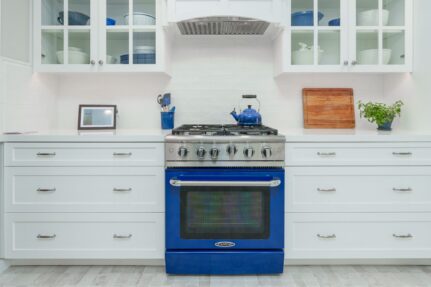
Client Success Story Cynthia Kitchen Remodel • Point Loma, San Diego, CA 3 Spaces Transformed 13 Months Total Build Time KITCHEN Project Type FACEBOOK AD How They Found Us Their Story For years, the kitchen at the heart of Cynthia’s Point Loma home had been the source of daily frustration — outdated electrical, poor lighting, a stove tucked […]
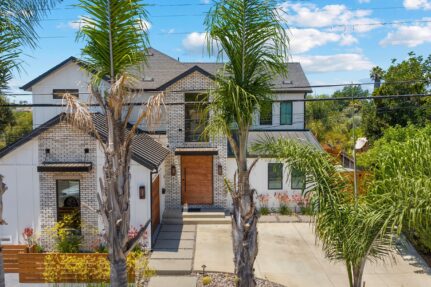
Client Success Story Christopher & Kathy Whole Home Remodel & Second-Story Addition • San Diego, CA 8 Spaces Transformed 9 MONTHS Total Build Time WHOLE HOME + ADDITION Project Type GOOGLE How They Found Us Their Story Christopher and Kathy loved their San Diego neighborhood too much to leave it. As their family grew, they […]
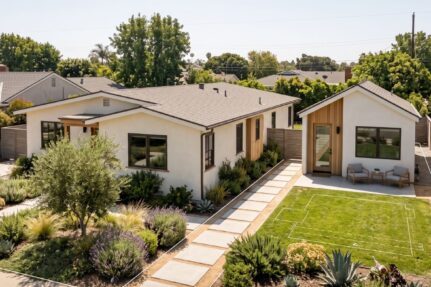
San Diego ADU requirements depend on which agency governs your parcel. Inside the City of San Diego, an accessory dwelling unit may be up to 1,200 square feet with no parking space required. In the unincorporated County, the standards differ, starting with a parking requirement. Both allow up to four units on a typical single-family […]