Coastal Home Remodeling: What Works (and What Fails) Near the Ocean
01.

- Share this article
-

-

-

-

-

-

TL;DR: Coastal home remodeling requires more than great design—it demands materials and structural planning that can withstand salt, humidity, storms, and shifting soil. Choosing the right upgrades now prevents costly repairs and protects your investment long-term.
- Salt air and humidity accelerate corrosion, mold growth, and material breakdown.
- Impact-rated windows, elevated foundations, and reinforced roofing are critical in flood and hurricane zones.
- Fiber cement siding, marine-grade stainless steel, metal roofing, and moisture-resistant interiors perform best near the ocean.
- Poor drainage, untreated lumber, cheap metal fixtures, and inadequate ventilation are common (and costly) mistakes.
- Coastal design remains in style, but durability and long-term maintenance planning matter just as much as aesthetics.
Living near the ocean is a dream for many homeowners. It’s hard to beat the sound of waves, panoramic water views, and breezy indoor/outdoor living.
Plus, many feel that ocean air is cleaner and easier to breathe. Fresh sea breezes often carry fewer industrial pollutants than urban environments, with potential health benefits such as:
- Increased outdoor activity
- A sense of relaxation that supports overall health
- Perceived respiratory relief for some individuals
But while coastal living offers undeniable beauty and healthier lungs, it also presents serious challenges for your home.
We’ve seen how salt air, humidity, storms, and shifting soil have impacted building materials in ways that inland homes do not. If you’re planning a renovation—or building from the ground up—understanding what works and what fails near the ocean can save you thousands in long-term repairs.
What Is A Coastal Style Home?
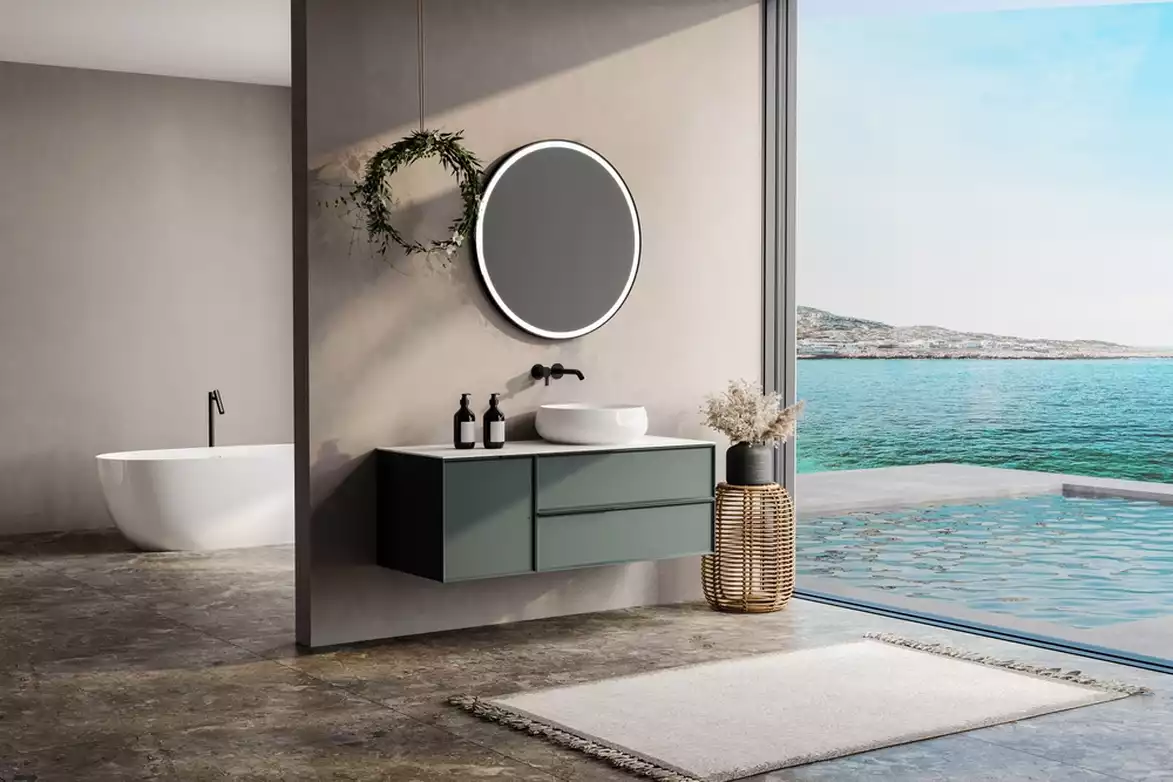
The old-school “nautical” look filled with anchors, ropes, and heavy blue stripes has largely given way to a more refined aesthetic. Today’s coastal home design focuses on:
- Neutral palettes inspired by sand and sea
- Natural textures like rattan and linen
- Open floor plans with large windows
- Indoor-outdoor living spaces
Modern coastal home designs emphasize light, airiness, and simplicity. The goal is to complement the environment rather than compete with it.
Performance fabrics and weather-resistant materials allow homeowners to maintain this breezy look without sacrificing durability.
Coastal design remains highly desirable in real estate markets, especially when executed in a timeless, understated way.
How Does Living Near the Ocean Affect Your House?
Coastal environments are one of the harshest settings for residential structures. Let’s break down what they are and how they could affect your beach house remodel:
Salt Air Corrosion
Salt particles carried in ocean air cling to surfaces and accelerate corrosion. Over time, untreated metal can rust quickly, even stainless steel–it must be marine-grade. This corrosion affects:
- Metal roofing and flashing
- Door hinges and locks
- Outdoor lighting fixtures
- Railings and fasteners
- HVAC systems
Constant Humidity & Moisture
Oceanfront homes are exposed to elevated humidity levels year-round. Without proper ventilation and moisture barriers, the interior air quality can suffer. This can cause:
- Mold and mildew growth
- Warping and swelling of the wood.
- Peeling paint and blistering finishes
- Rot in untreated framing
Wind, Sand & Storm Exposure
Coastal winds often carry sand that wears down siding, windows, and finishes. Wind-driven rain can infiltrate poorly sealed joints, leading to hidden water damage.
UV Exposure
Coastal homes typically have fewer obstructions from trees or neighboring buildings, meaning more direct sunlight. UV rays fade paint, fabrics, and flooring more quickly in inland areas than in sunny areas.
The takeaway: Coastal homes age faster unless they’re built or remodeled with the environment in mind.
Top Considerations for Beachfront Properties
Remodeling a beachfront home isn’t just about picking the right paint or flooring—it’s about making sure your house can survive the forces of nature.
The ocean brings challenges that demand careful structural planning. So, while beautiful, beachfront property carries risks:
Elevation and Flood Zones
Homes located within FEMA flood zones often require raised foundations. Elevating a structure helps protect it against storm surge and flooding. Even if not required, raising the living space can significantly reduce risks.
Hurricane and Wind Resistance
Coastal homes must withstand high winds. Impact-rated glass, reinforced roof tie-downs, and hurricane straps are critical upgrades during remodeling.
Storm shutters or protective screens add another layer of defense without sacrificing natural light.
Erosion and Soil Movement
Beachfront properties are vulnerable to erosion. Foundations must account for shifting sand and soil stability. Consulting structural engineers familiar with coastal terrain is essential. Ignoring these structural considerations can compromise safety and resale value.
Higher Maintenance Costs and Insurance Considerations
Coastal living comes with constant wear and tear. While humidity and sand increase the need for repairs and maintenance, salt air accelerates corrosion on siding, metal fixtures, and even vehicles.
Insurance costs can also be higher near the ocean. Homeowners in flood zones often pay more for both standard coverage and flood insurance, and policies may require features like impact-resistant windows or elevated foundations. Budgeting for these ongoing costs is essential to avoid unexpected expenses.
What Is the Best Material for Beach House Building?
For a coastal home, materials that resist corrosion, repel moisture, and withstand high winds are best.
Exterior Materials
Fiber cement siding is one of the top choices because it resists moisture, insects, and salt damage better than traditional wood. Engineered and treated wood can also perform well if properly sealed and maintained.
Other durable exterior choices include:
- Marine-grade stainless steel (316) for hardware
- Aluminum railings instead of iron
- Composite or PVC trim
- Impact-rated windows and doors
In coastal regions, metal roofs with corrosion-resistant coatings are extremely popular. Concrete or clay tile roofs also perform well against wind and salt exposure.
Interior Materials
Inside the home, moisture resistance is just as important.
Porcelain or ceramic tile flooring is ideal for sandy, damp environments. Water-resistant luxury vinyl planks maintain a warm aesthetic. Since quartz countertops are nonporous and stain-resistant, they perform better in humid environments.
In bathrooms, kitchens, and basements, mold-resistant insulation and moisture-resistant drywall should be standard.
Ultimately, choosing materials that require less maintenance over time is the best strategy for coastal remodeling.
Common Coastal Remodeling Mistakes
Living near the ocean offers stunning views, fresh air, and a serene lifestyle that many homeowners dream of. However, the coastal environment is harsh, with salt, humidity, and wind taking a toll on building materials.
Understanding that some beach house remodel ideas won’t work can help you save you time, money, and frustration when remodeling a beachside home. Even if they fit the style you want, refrain from using the following for your remodeling project:
- Untreated lumber – Decks and exterior trim made from standard wood can rot rapidly without sealing and consistent maintenance. Structural damage occurs over time, resulting in expensive repairs.
- Cheap metal fixtures – Low-quality stainless steel and coated metals often rust after a few months. Salt air accelerates corrosion, making them unreliable for long-term use.
- Interior hardwood flooring – Wood expands and contracts with moisture, leading to buckling and gaps. High humidity in coastal homes makes traditional hardwood flooring a risky choice.
- Inadequate drainage systems – Poor drainage allows water to pool near foundations, increasing flooding and erosion risk. Water damage can compromise both the structure and landscaping.
- Low-elevation foundations in flood zones – Homes built too low are vulnerable to storm surges and rising tides. Flooding can cause extensive, expensive damage.
- Standard windows instead of impact-rated models – Regular windows can shatter during high winds or hurricanes. Impact-rated windows provide safety and energy efficiency.
- Poor ventilation in attics and crawlspaces – Mold, mildew, and wood rot are caused by trapped moisture. Proper ventilation is essential to maintaining indoor air quality and structural integrity.
Many homeowners underestimate the long-term maintenance costs of living by the water. Cutting corners during remodeling often leads to expensive repairs.
Final Quick Tips for Remodeling a Beachside Home
If you’re remodeling near the ocean, prioritize resilience.
Make sure your project is with a company investing in high-quality materials for roofing, windows, and structural components first. Cosmetic upgrades can always come later.
Design for proper drainage around the home’s perimeter. Install ventilation systems that actively manage indoor humidity. Schedule regular inspections to catch corrosion early.
Low-maintenance landscaping with native, salt-tolerant plants reduces water usage and upkeep.
Finally, work with contractors, such as Lars Remodeling, who are familiar with building in coastal climates. Knowing building codes and wind ratings locally can make a big difference in long-term performance.
Beachside Remodeling Success Requires Strategic Planning and Quality Investment
Living near the ocean absolutely affects your house, from corrosion and humidity to structural stress during storms.
Coastal design remains in style, but today’s approach blends durability with understated elegance. While ocean air can feel refreshing, indoor air quality ultimately depends on proper moisture control.
By understanding what works and what fails, homeowners can create coastal properties that not only look stunning, but thrive for decades by the sea. Partnering with experienced professionals ensures that your remodeling project is handled with expertise and care. The right contractor will help you navigate the unique challenges of coastal construction while adhering to safety standards.