Home Remodel Design Process: How Lars Plans for a More Predictable Build
01.

- Share this article
-

-

-

-

-

-

The home remodel design process is everything that happens between your first idea and the first day of demolition: defining what you want, documenting the house as it really is, designing the space, choosing products, aligning the budget, permitting, and scheduling. Ask most homeowners to picture a remodel and they’ll describe demolition day, new cabinets, maybe tile going up. Fair enough. But after decades of doing this, we can tell you the quality of a build is usually settled months earlier, in planning work nobody photographs. A successful renovation starts with a solid plan.
At Lars Remodeling & Design, we’ve spent more than 35 years remodeling San Diego homes, and we’ve completed more than 1,200 projects since 1991. As a design-build company, our design-build process is built on one conviction: the remodel should create clarity before construction starts, not confusion during it. So we define the project upfront and tie the design to the budget early. Selections get locked before the build, and the details get worked out before anyone opens a wall. Predictable remodeling is not accidental. It comes from preparation, steady communication, and a lot of time spent inside older San Diego homes.
This guide explains how the process works on every remodeling project we take on: how to build a remodel wish list, what happens during pre-construction and design, how permits and scheduling work in San Diego, and what to expect in each of the five construction stages once work begins, so you know what’s coming at every point in the renovation journey.
Key Takeaways
- A successful home remodel design process starts long before demolition begins.
- Start with a prioritized remodel wish list. Sorting must-haves from nice-to-haves makes every later design and budget decision faster.
- Planning defines the scope, budget, selections, permits, schedule, and construction strategy upfront.
- Lars uses an integrated design-build process that keeps architecture, interior design, estimating, permitting, and construction under one coordinated team.
- Every Lars project gets its own schedule, built around its scope and set in writing, instead of a generic timeline.
- Construction then runs in five stages, from preconstruction through final inspection, and required inspections happen before anything is covered up.
- Lars has completed more than 1,200 remodeling projects over 35 years and backs eligible projects with a written On-Time Completion Guarantee.
Why a Home Remodel Should Not Start Until the Project Is Defined
A home renovation becomes stressful when construction begins before the plan is finished. We hear it from homeowners who come to us after a project elsewhere stalled. The plans were still changing. Nobody had picked the tile. The budget was a guess, and each new discovery pushed the schedule again.
That pattern leads to the same handful of problems:
- Unexpected surprises in the total budget
- Delays caused by late selections or approvals
- Miscommunication between trades
- A steady stream of costly changes and change orders
- Unclear expectations about what’s included
National data shows how common this is. In 2025, 37% of renovating homeowners went over their budget, according to the 2026 U.S. Houzz & Home Study, a survey of more than 10,000 renovating homeowners published in April 2026. Many did it knowingly: 35% chose higher-end materials than they had planned and 31% expanded the scope mid-renovation, the same Houzz study found. Those choices got made after work started, usually under pressure. Our process is built to pull them forward, into design, where changing your mind costs a drawing revision instead of a demo crew.
At Lars, a renovation starts only after the project has been planned and documented. Defining the scope, aligning the budget, finalizing selections, and coordinating logistics before construction isn’t the most visible part of a remodel, but it’s often the most valuable. Homeowners shouldn’t have to figure things out in the middle of construction, and indecision after demolition begins is what turns a smooth renovation into a stressful one.
Initial Planning: Build Your Remodel Wish List
A remodel wish list is a single, prioritized list of everything you’d like to change in your home: the big projects, the features inside each one, and which items are must-haves versus nice-to-haves. It’s the first thing we ask homeowners to bring to a Design Consult, because it turns ideas into a scope we can measure, design, and price. When you start planning, a good list also keeps the dream home tied to how your family really lives day to day.
Here’s the method we recommend:
- Decide how long you’ll stay. If this is your long-term home, the value is in how well the space fits your family. If you may sell in a few years, focus on changes that support resale. Let that decision shape the list, not just today’s frustrations. If you plan to renovate in phases, it also tells you which smaller projects can wait.
- Ask everyone in the house. Each person should name what isn’t working and what they’d change. A home office for one person and a mudroom for another can both fit, but only if they’re on the list early.
- List the big projects first. A kitchen remodel, bathroom updates, a room addition, or outdoor living space. See the whole picture before you get lost in details.
- Rank them by need. Start with the space that causes the most problems: a layout that doesn’t work, failing systems, constant maintenance, or a room your growing family has outgrown.
- Get specific inside each project. An island, more storage, a curbless shower, better lighting. Save inspiration photos or build simple mood boards of design ideas you like. Photos help our designers understand what you mean faster than any description.
- Mark must-haves and nice-to-haves. Use two colors or two columns. If the design or the budget forces a trade-off later, you’ll already know which items are negotiable.
- Think one step ahead. Several members of our team are Certified Aging-in-Place Specialists (CAPS). If you plan to stay, add the items that keep a home working as you age, like blocking for grab bars or a no-step shower entry. One of our homeowners chose grab bars in the same plumbing selections meeting as the faucets. That’s the right moment for it, while the walls are still open on paper.
How to sort a wish list: one kitchen example.
| Wish list item | Must-have or nice-to-have | Why it matters to the design |
|---|---|---|
| Better traffic flow around the island | Must-have | Drives the layout and whether walls need to move |
| More pantry storage | Must-have | Shapes the cabinet plan and room dimensions |
| Upgraded electrical for new appliances | Must-have | Can trigger an electrical panel review in older homes |
| Wine fridge | Nice-to-have | Needs a cabinet space and a dedicated circuit |
| Statement pendant lighting | Nice-to-have | Easy to defer or swap during selections |
This mirrors the advice from the National Association of the Remodeling Industry, whose budgeting guidance tells homeowners to list essential features first so they know what can be scaled back without compromising their core goals. Your designer will refine the list as design and selections move along. Clear priorities up front make the later calls faster.

Pre-Construction: Site Evaluation, Measurements, and Existing Conditions
Once a homeowner moves into design, the process becomes technical. Before plans move forward, we evaluate the existing home to understand the conditions that will affect design, engineering, permitting, pricing, and construction.
This phase typically includes:
- Site evaluation and field verification of the work area
- As-built measurements and documentation
- Existing layout review
- Structural observations
- Plumbing, electrical, HVAC, and mechanical review
- Access and site logistics
- Identification of hidden constraints or prior modifications
- Screening for hazardous materials: homes built before 1978 can contain lead-based paint, and homes built before the mid-1980s can contain asbestos in floor tile, pipe insulation, or textured ceilings
This work matters more in San Diego than most places, because our housing stock is old. Homes sold in San Diego in 2024 had a median age of 43 years, and 71% were more than 30 years old, according to Redfin data reported by Axios. Older homes come with aging infrastructure, earlier renovations, shifted walls, and outdated utilities. Finding those unexpected issues before demolition, not during it, is essential for a successful remodel.
Why existing conditions matter.
| Existing condition | Potential impact on the remodel |
|---|---|
| Older plumbing or electrical systems | Updated infrastructure requirements |
| Previous renovations | Hidden framing or layout changes |
| Structural limitations | Engineering or redesign needs |
| Possible lead paint or asbestos | Testing and licensed abatement before demolition |
| Site access constraints | Scheduling and construction logistics |
| Aging homes in general | Greater need for detailed documentation |
We don’t guess at conditions we can investigate. On one whole-home remodel, our structural engineer needed to know whether an existing retaining wall was a double wall before choosing a repair approach, because the answer pointed to two very different solutions. Instead of pricing both and hoping, we sent a crew to make an exploratory opening that same week. On another older home, the homeowner loved the original woodwork and wanted it painted as-is. We suspected lead paint, so we declined to paint over it, had it tested, and brought two compliant remediation paths to the table. Painting over it would have been faster. It also would have been wrong for that house and that family, which is why the EPA’s Renovation, Repair and Painting rule sets work practices for older homes like this one.
Design Process: Architecture and Space Planning
Once existing conditions are documented, we turn discovery conversations and field measurements into a workable design. This is where ideas take shape through the floor plan, layout options, structural strategies, and practical space planning.
Inside our Design Agreement, the work moves through five design phases: Discovery & Existing Conditions, Fixture & Selection Alignment, Preliminary Design & Investment Alignment, Scope Development & Visualization, and Final Alignment & Construction Decision. How long design takes depends on the project. Scope, homeowner feedback, engineering needs, and what we find in the existing home all shape it, so we set the milestones in your Design Agreement instead of quoting a standard timeline.
Depending on the project, this phase may include:
- Kitchen and bathroom layouts
- Additions and ADUs
- Whole-house remodeling plans
- Traffic flow and room relationships
- Structural feasibility
- Visual balance and function
- 3D renderings or concept presentations
Looks matter, but they’re only part of the job. A room also has to work, pass code, be buildable, and fit what the homeowner wants to invest. Because we’re a design and build firm, our architect, designers, estimators, permitting specialists, and construction team work together from the beginning. Problems get caught while they’re still lines on a drawing. Good architecture solves problems before they become construction problems.
Design Process: Interior Design and Selections
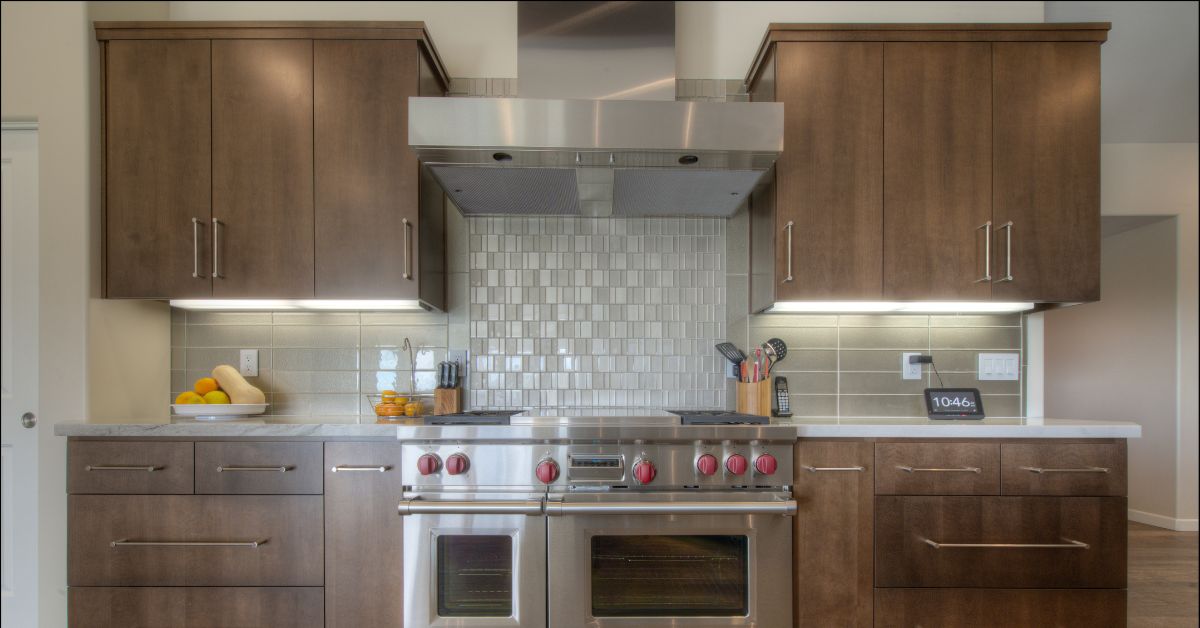
Selections are one of the biggest hidden drivers of remodeling cost, schedule, and homeowner confidence. Cabinets, countertops, flooring, tile, plumbing fixtures, appliances, light fixtures, hardware, and paint colors aren’t just aesthetic choices. They affect pricing, lead times, electrical planning, plumbing layouts, installation order, and the project timeline.
Our design team and showroom exist to simplify those decisions. Instead of sorting through hundreds of products alone, homeowners compare materials and narrow options with an experienced designer, so the finished home has a cohesive look, every choice has been checked against the drawings, and homeowners can make informed decisions without second-guessing them later. Design choices made early rarely lead to costly rework.
Common selection categories include:
- Cabinetry and storage solutions
- Countertops and tile
- Plumbing fixtures and appliances
- Lighting and electrical finishes
- Flooring, paint, and hardware
How selections affect the project.
| Selection decision | Potential project impact |
|---|---|
| Cabinet lead times | Construction scheduling |
| Appliance specifications | Electrical and plumbing planning |
| Tile and flooring choices | Installation sequencing |
| Fixture selections | Budget and finish coordination |
| Paint and material palettes | Overall design cohesion |
This is why we lock selections before construction begins. On one remodel, a long-lead shower pan had already been ordered when our End of Design review showed it was too small for the space. Our products team immediately checked whether the order could be cancelled and priced the correct pan in parallel. Catching it there meant a phone call to a supplier. Catching it during framing would have meant reworking the shower. On another project, our designer had called, texted, and emailed for weeks to get approvals, and had to explain plainly that without decisions, ordering would slip and the schedule would move with it. The build runs on those decisions.
Renovation Budget Alignment and Estimating
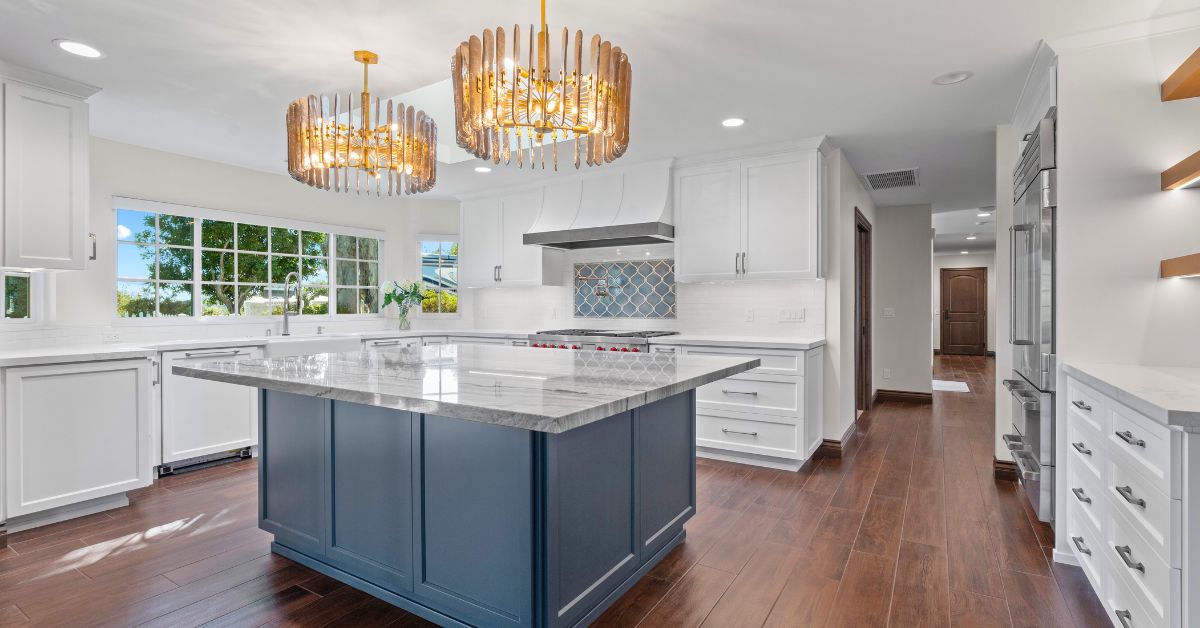
One of the most valuable parts of our process is connecting design decisions to cost early and consistently. A beautiful design only works if it can realistically be built within the homeowner’s investment expectations.
As the project develops, we align pricing with design through:
- Scope development and estimating
- Trade partner input
- Product and material pricing
- Labor and construction planning
- Selection-driven budget updates
- Ongoing budget alignment conversations
This keeps the entire project within a range you’re comfortable spending and keeps homeowners from designing blind, where plans are finished before anyone understands how selections, layouts, or structural changes affect the total investment. We’d also rather show you the whole picture once than let costs trickle in. On one project, our designer combined a beam change and new fireplace cladding into a single conversation and offered to sit down in person to review it, because a homeowner deserves to see how decisions connect, not a series of surprises. We also talk through the payment schedule and how a contingency fund for conditions we can’t see yet will be handled, so nothing about the money side is vague once the project starts.
Market conditions make this matter more. According to research from the Joint Center for Housing Studies of Harvard University, repair and remodeling costs were nearly 62% higher in 2025 than 10 years earlier, with a 3.4% year-over-year increase in Q2 2025. At the same time, U.S. homeowner improvement and maintenance spending reached $513 billion in Q1 2025 and was projected to reach $526 billion by Q1 2026. Materials and labor are part of what you pay for. The rest is a team that defines the project accurately before construction begins.
Remodeling Process Permitting and Approvals in San Diego
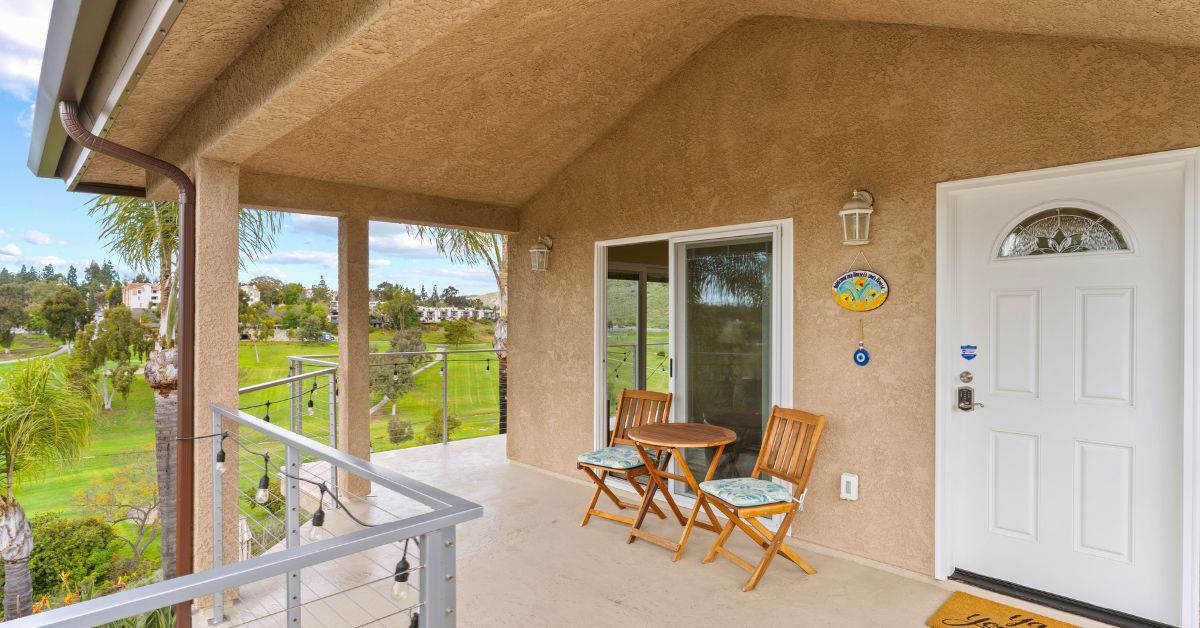
Nobody gets excited about permits. They still decide when your project can start. In San Diego, permits, engineering, inspections, code compliance, and HOA approvals all influence how quickly construction can begin.
Our team manages:
- City and county permit coordination
- Engineering and structural review
- HOA approvals when required
- Code compliance and documentation
- Inspection scheduling and planning
Review time depends on scope and jurisdiction. The City of San Diego’s Development Services Department publishes its current permit processing timeline, broken into intake, review, and issuance queues, so we check the live numbers for each project rather than quoting a fixed wait. Local demand is real: Axios reported that the city issued 9,691 housing permits in 2023, its highest total in decades, and ADU permits nearly tripled from 651 in 2022 to 1,907 in 2023.
Permitting factors and why they matter.
| Permitting factor | Why it matters |
|---|---|
| Engineering review | Supports structural safety |
| HOA approvals | Prevents project delays |
| Code compliance | Helps avoid failed inspections |
| Permit coordination | Keeps timelines moving |
| Local expertise | Navigates San Diego requirements |
This is where experience pays off in small ways. On one whole-home remodel, a mid-stream design change on an upstairs wall would have required a resubmittal and could have held up the entire permit. We pursued issuance of the original permit and filed the construction change afterward, so one wall didn’t delay the whole house.
Construction Phase Scheduling and Preparation
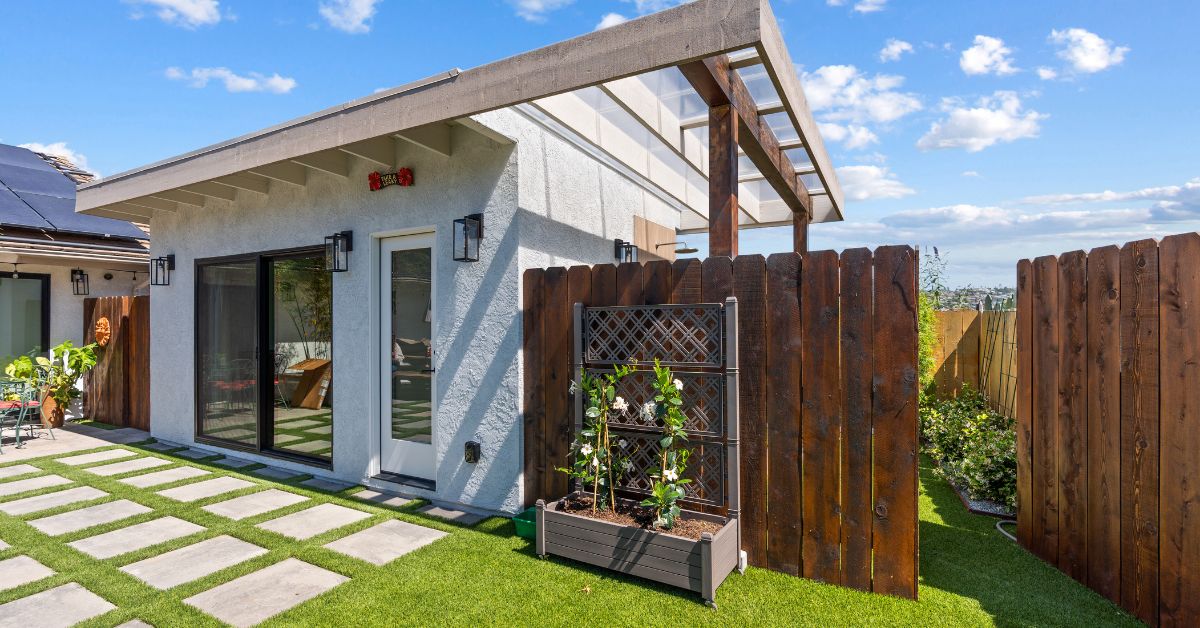
Once design is complete, the project moves from planning into construction preparation. This step turns the defined remodel into a build-ready plan, so construction starts with clarity and coordination.
Before construction starts, the team finalizes:
- Construction drawings and documentation
- Locked material and finish selections
- Defined scope of work and pricing
- Ordering of long-lead items like custom cabinetry, specialty tile, appliances, and windows, so each arrives when its stage needs it
- Project Manager assignment
- Internal team handoff and review
- Pre-construction meeting with the homeowner
- Site logistics and scheduling
- Trade coordination and sequencing
The internal handoff is one of the most important behind-the-scenes steps. Your Project Manager doesn’t walk in cold. Design, estimating, selections, and your expectations are transferred into operations so the whole team understands what’s being built and how. We don’t start construction until plans are finalized, costs are defined, and selections are locked. Once crews arrive, that preparation keeps the whole project moving forward smoothly.
Your actual start date is set after permitting and selections are complete, and it’s documented in writing. For eligible projects, the clock on our On-Time Completion Guarantee starts with demolition on site. Eligibility depends on project type, location, and scope.
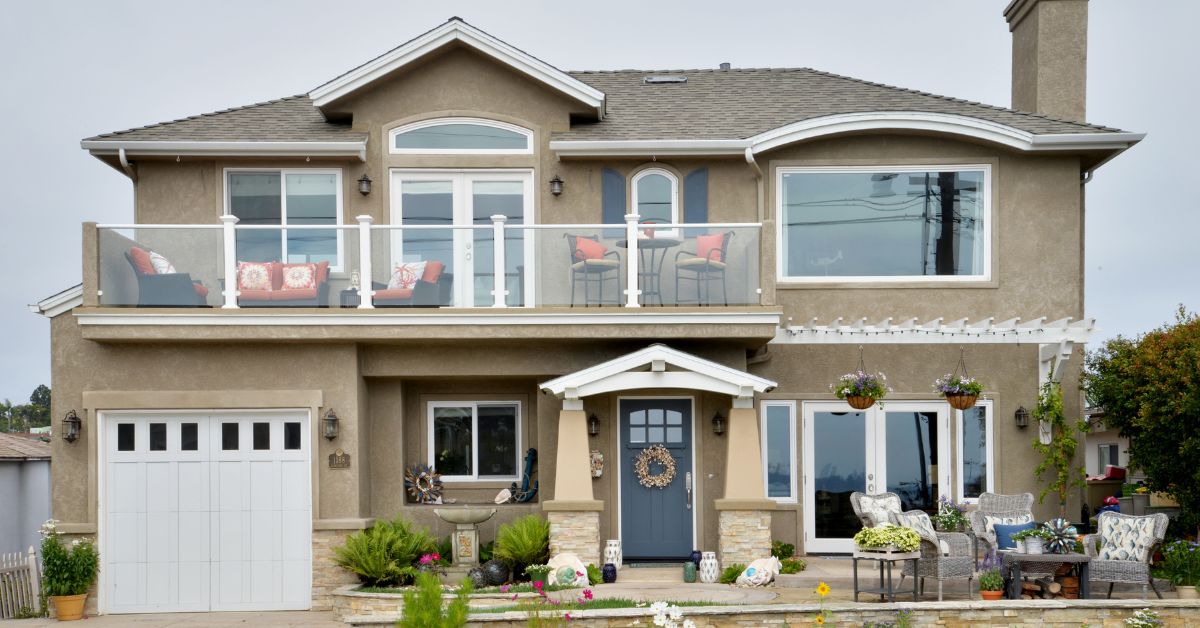
The Construction Phase, Step-by-Step: 5 Stages of a Remodel
Once design is approved, construction moves through five stages under one Lars Project Manager: preconstruction and site preparation; protection, demolition, and structure; rough systems and inspections; close-in, finishes, and quality reviews; and final inspection, walkthrough, and care. Knowing the order before home construction begins helps you plan your household, understand why some weeks look quiet, and know when your decisions matter most. Our construction process page covers each stage in more depth.
1. Preconstruction and Site Preparation
Your Project Manager reviews the approved plans, confirms access and protection, and prepares the trade partners and your household for the build. This is where we verify anything that’s hard to undo later. On one project with a concrete pour, our PM asked the window supplier to deliver the windows before the pour, so the openings could be confirmed against the real units first.
2. Protection, Demolition, and Structure
We protect the areas that stay, open the approved work zones, evaluate what’s exposed, and complete the structural work the plans and field conditions require. Demo is when a house shows you what it’s been hiding. On one home, the owners had lived with a leaking sliding door since they bought the place. When our crew pulled the trim, the waterproofing paper had decayed away entirely, and there was no frame behind the door at all. Resetting the old door was impossible, so we specified a like-for-like replacement rather than upselling a different door. Once framing goes up, walk the space with your PM. Layout changes are easiest before the walls close.
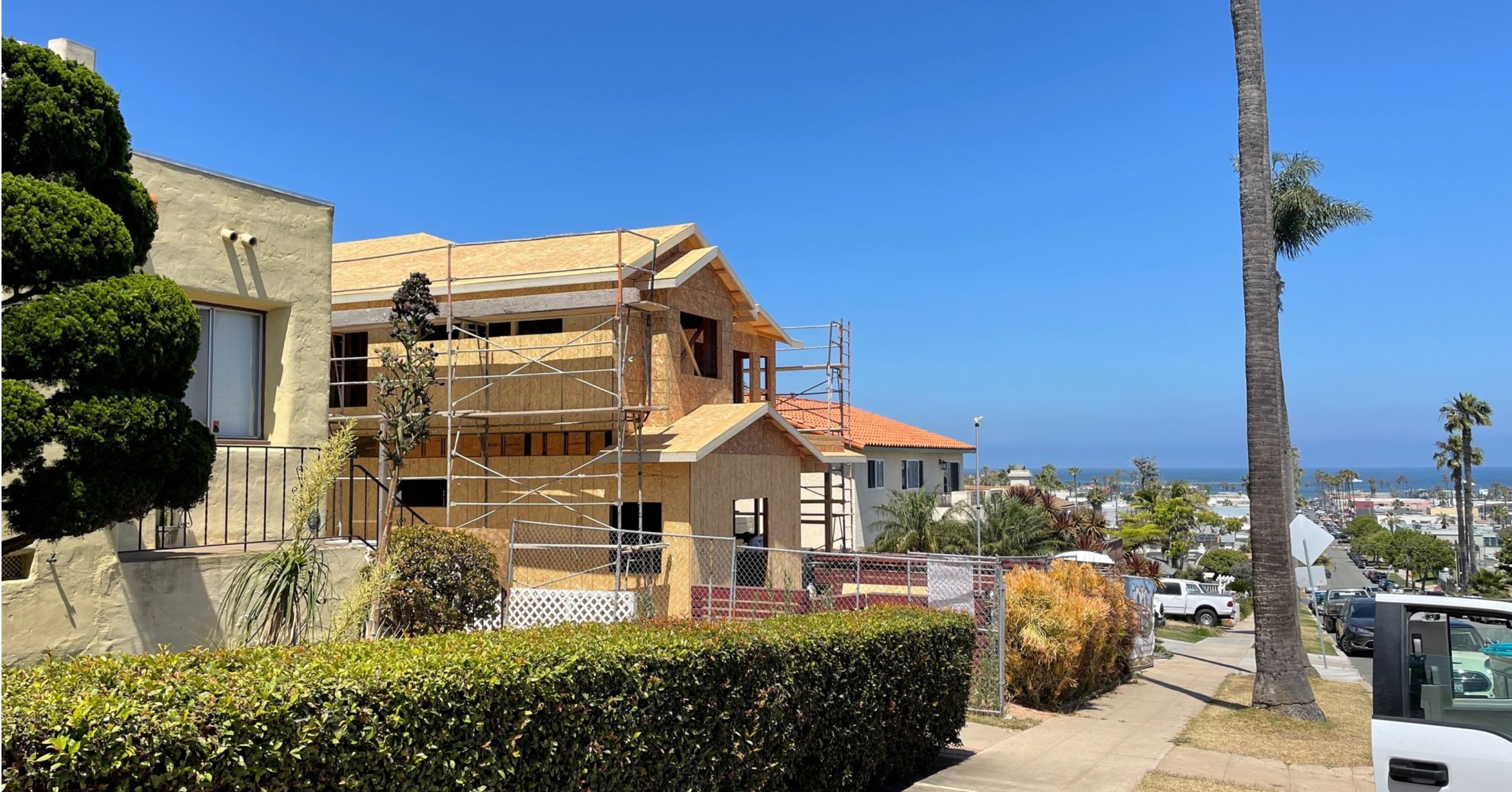
3. Rough Systems and Inspections
Plumbing, electrical, HVAC ductwork, and other concealed systems go in now. Older San Diego homes often need an electrical panel upgrade here. On one remodel we found an undersized, obsolete panel outside the original scope, rolled it into the electrical plan, and our permitting team started the utility upgrade work order. City inspectors must sign off on framing and rough systems before anything is covered, and we schedule those inspections for you. Around this point we also hold a mid-project walkthrough with Interior Design to catch anything that has drifted from the plan. On one job, that walk caught two framing issues, and the framer came back to fix them before work continued.
4. Close-In, Finishes, and Quality Reviews
Adding insulation is the first step of close-in. It goes in to current California Title 24 energy standards, then drywall, trim, cabinetry, countertops, tile, flooring, paint, and finally fixtures and appliances. This is usually the longest and most variable stage, where craftsmanship shows and sequencing protects your finishes. We don’t let cabinets be built from a pre-demolition measurement alone. On one project, we allowed an early measure to get a head start, with a firm rule that nothing would be built until a second check after everything was exposed. On another, a PM facing a five-week wait for cabinets refused to install partial flooring or hang chandeliers early. A couple of days gained wasn’t worth scratched floors and dusty fixtures.
5. Final Inspection, Walkthrough, and Care
The city performs its final inspection, the home gets a professional clean, and your Project Manager walks every room with you. A punch list is the written list of every item that still needs finishing or adjusting before closeout. Ours is signed twice: once when it’s created and again when every item is complete. Then come the certificate of completion and the handoff to warranty support. We plan punch work instead of leaving it for you to find. On one project, we brought in a dedicated punch-list carpenter for several days before the walk, so the list the homeowner saw was short.
How long each stage takes depends entirely on your project. We don’t use one generic timeline; your schedule is built around your home’s scope, existing conditions, permits, selections, and product lead times, and we set it in writing before demolition begins.
Living in your home during a remodel takes some planning of its own. Our guide on how to protect yourself during a remodel covers it.
How One Integrated Team Reduces Handoff Risk
Many remodeling projects get stressful because the homeowner ends up coordinating disconnected teams instead of working with the right team. Architects, designers, contractors, vendors, engineers, and trades all work separately, and details fall through the gaps between them.
At Lars, the process is integrated from day one. You work with one coordinated team that includes:
- Project Coordinators
- Architecture and space planning
- Interior design
- Estimating and budgeting
- Permitting coordination
- Project Management
- Trade partners and operations leadership
Fragmented process compared with the integrated Lars process.
| Fragmented remodeling process | Integrated Lars process |
|---|---|
| Multiple disconnected vendors | One coordinated team |
| Repeated homeowner communication | Centralized communication |
| Increased handoff risk | Shared project accountability |
| Separate design and construction thinking | Collaborative planning from day one |
The handoffs still happen, but we own them: Design Discovery, Design Reviews, the Bridge Meeting into contract and selections, End of Design, the pre-construction meeting, your PM introduction, and a standing weekly meeting with your Project Manager. To be fair, if you already have complete plans and want to manage parts of the work yourself, a good contractor can be the right fit, and you should find a contractor or remodeler whose process matches your project. Integrated design-build is for homeowners who want one team to own the decisions and the handoffs, so they aren’t left managing the remodel alone.
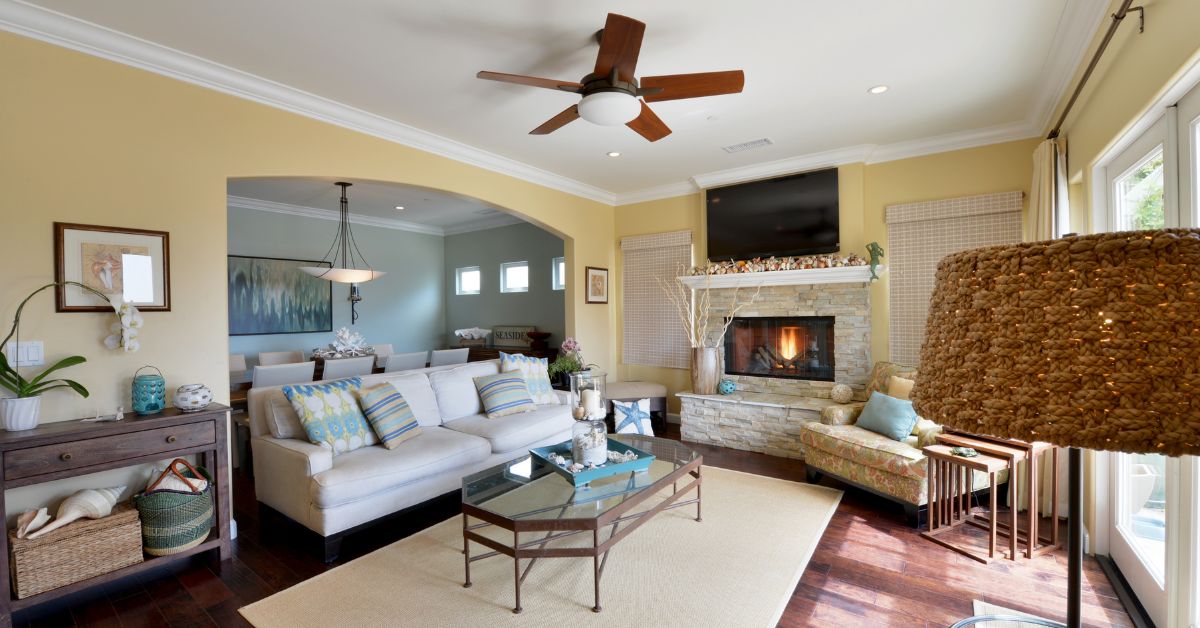
Why This Creates a More Predictable Remodel
No single meeting makes a remodel predictable. It comes from a lot of disciplined steps done in the right order. At Lars, predictability comes from:
- A clear project scope
- Accurate field measurements
- Complete construction plans
- Finalized selections
- Budget alignment
- Permit coordination
- Internal team handoffs
- Construction scheduling
- A dedicated Project Manager
- Clear communication through weekly meetings and Buildertrend updates
- Defined completion standards
That preparation is what lets us offer an On-Time Completion Guarantee on eligible projects. We can put that in writing because of the planning, documentation, and accountability behind the entire home remodel.
Homeowners feel the difference. In one 2025 survey, 71% of homeowners said they had delayed at least one home improvement project, often because of uncertainty about cost, timing, or complexity, according to Better Homes & Gardens. Finishing the remodel is the baseline. What we’re after is a renovation experience homeowners can move through with confidence, and a process that helps keep your project on track from the first meeting to the last walkthrough.
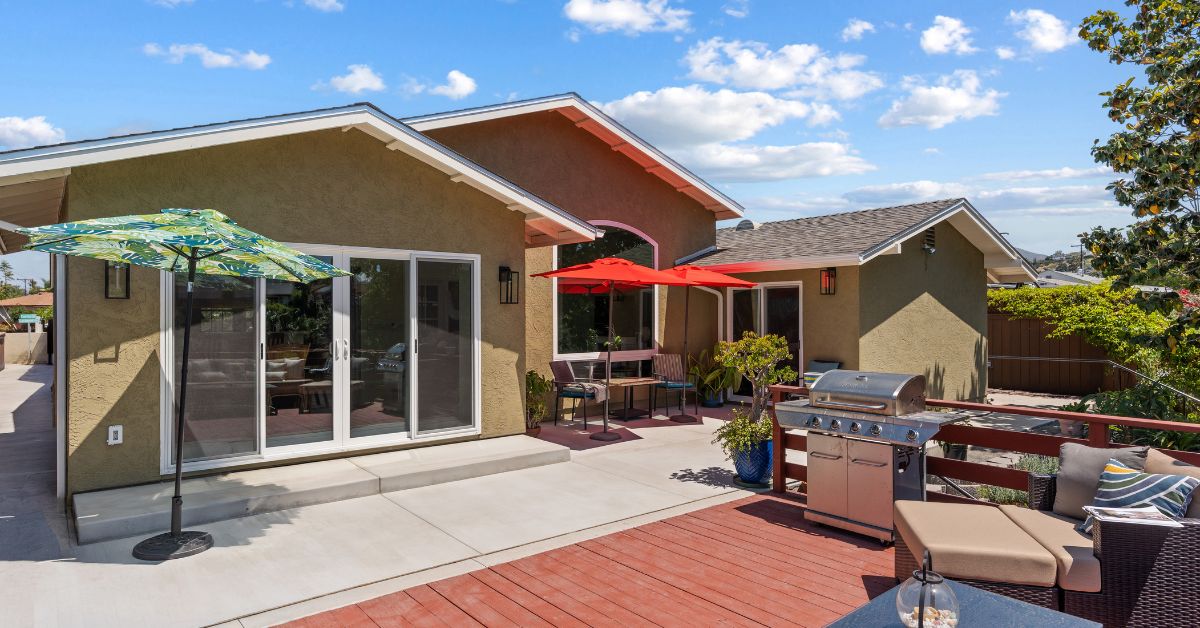
Start Your Remodel With Clarity: Book a Design Consult
When you hire a design-build team, you’re paying for more than labor and materials. You’re getting the planning, design guidance, documentation, budget work, permitting support, and communication that carry a project from concept to completion. It’s how homeowners figure out where to start renovating a house and what to expect at every stage after that. After 35 years and more than 1,200 completed projects, Lars Remodeling & Design has built its process around clarity, accountability, and coordination from the very first conversation. The fastest start rarely makes the best remodel; the clearest one does. Bring your wish list to a Design Consult, and let’s talk about what your home could become.