Remodeling in a San Diego Historical District
01.
- Share this article
-

-

-

-

-

-

San Diego’s historic districts include far more than the 11 places named in older lists. As of August 12, 2026, the City of San Diego Historical Districts GIS dataset contained 30 mapped records. A separate March 2025 City inventory report also reported 30 known districts as of October 2024, but its list is not identical.
That difference matters if you own, are buying, or plan to remodel a historic home in San Diego. A neighborhood name does not prove that a parcel is designated. A mapped district can include contributing and noncontributing resources, and a proposed district is not an adopted district. This guide shows how to find the right record before design begins.
Key Takeaways
- The City’s June 2026 GIS layer contains 30 mapped historic-district records.
- District boundaries do not make every property a contributing resource.
- A structure at least 45 years old can require potential historical review when permit work is proposed.
- Mills Act eligibility requires local designation and a timely application.
- Confirm the address with City Historical Resources before fixing the design or ordering materials.
Last verified: August 12, 2026. This guide covers the City of San Diego, not every city or unincorporated area in San Diego County. It provides general educational information, not a parcel determination, permit approval, tax opinion, or legal advice.
What Is a Historic District in San Diego?
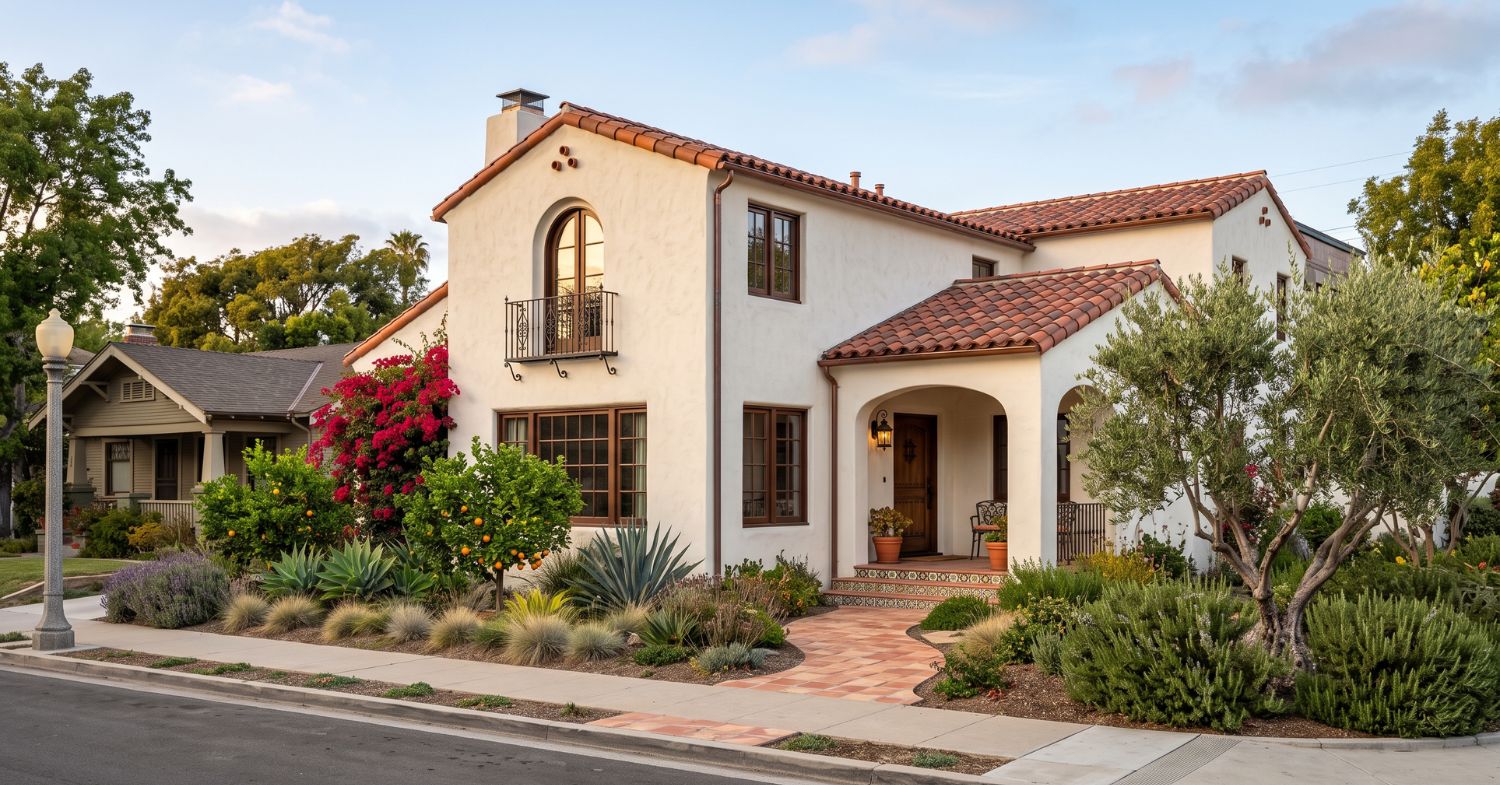
Under City definitions, a historic district is defined as a geographically bounded concentration of buildings, structures, sites, or features connected by historical, architectural, cultural, or aesthetic significance. The City’s historic-district work program, accessed August 12, 2026, also distinguishes adopted districts from areas that are only being evaluated.
Several labels appear in San Diego records:
- Local historic district: Designated under City procedures and subject to applicable local regulations.
- State or National Register district: Listed through state or federal programs. Listing does not automatically create every local benefit or requirement.
- Emerging district: A City-mapped category whose parcel-level records still need careful review.
- Contributing resource: A property or feature that helps express the district’s historic significance.
- Noncontributing resource: A property inside the boundary that does not contribute to the district’s significance as documented.
- Potential or in-process district: An area under study. It is not an adopted district merely because it appears in a planning work program.
The word historic also does not mean simply old. A house can be more than 45 years old without being designated. Conversely, a property may be individually designated even when it sits outside a district. The California Historical Resources Inventory Database, or CHRID, is the practical starting point for an address-level check.
For homeowners considering remodeling in Mission Hills or historic-home planning in North Park, that status check should happen before the concept design hardens.
Complete List of City-Tracked Historic Districts
As of June 5, 2026, the City’s weekly GIS download contained 30 mapped records. The table below combines those GIS names with dates, periods, and contributor counts from Appendix A of the City’s March 2025 inventory report. Fields marked verify require a fresh CHRID or City staff check because the two official sources do not align.
Methodology: We compared the City historical-district GIS layer, the Historical Resources Inventory Report, CHRID, and the City’s current work-program page. We also matched mapped district geometry to City community-planning boundaries for navigation. A planning-area match is not a parcel designation.
| Historic district | Status or register | Community planning area | Date, period, and area-specific information |
|---|---|---|---|
| North Park Dryden Historic District | Local | North Park | Designated 2011; period 1912-1941; 105 contributing resources. |
| Melhorn & Son Historical District | Local | North Park | Designated 2018; development periods 1924-1948 and 1924-1926; 23 contributors. |
| Naval Training Station Historical District | Local and National; GIS also labels State | Peninsula | Local designation in 2000; periods 1922-1946 and 1949; 66 contributors. The GIS uses “Naval Training Center.” |
| Chinese/Asian Thematic Historic District | Local thematic | Downtown | Designated 1987; period 1872-1932; 23 contributors. |
| Arnold and Choate’s Addition-North Florence Heights Historic District | National and State in GIS | Uptown | Listed in 2024; period 1907-1950; 267 contributors. Verify any local status separately. |
| Inspiration Heights Historic District | National and State in GIS | Uptown, including Mission Hills | Listed in 2021. Appendix A does not provide a period or contributor count. |
| Burlingame Historic District | Local | North Park | Initial designation in 2002 with expansions through 2014; 168 contributors. |
| Fort Stockton Line Historic District | Local | Uptown, including Mission Hills | Designated 2007; period 1910-1939; 80 contributors. |
| South Park Historic District | Local | Greater Golden Hill | Designated 2018; period 1906-1949; 299 contributors. |
| Islenair Historic District | Local | Mid-City, City Heights | Designated 2007; period 1926-1952; 82 contributors. |
| Golden Hill Historic District | Local | Greater Golden Hill | Initial designation in 1970 with additions through 1985; period 1890-1940; 60 contributors. |
| Ocean Beach Cottage Emerging Historic District | Local emerging | Ocean Beach | Initial designation in 2000 with additions through 2008; 72 contributors. Do not assume every parcel in the mapped area contributes. |
| Balboa Park | Local, State, National, and National Historic Landmark | Balboa Park | Local record dates to 1967; Appendix A reports 25 contributors; National Register listing in 1977. |
| Mission Hills Historic District | Local | Uptown, including Mission Hills | Designated 2007; period 1908-1942; 129 contributors. |
| Talmadge Gates Historical District | Local thematic and public right-of-way elements | Mid-City, Kensington-Talmadge | Designated 2000; period 1926-1928. The district consists of gates and related public features, not every surrounding home. |
| Old Town San Diego Historic State Park | Local, State, and National | Old Town San Diego | Local record dates to 1970; Mexican period 1821-1846 and American period 1846-1869; 9 contributors; National Register listing in 1971. |
| Shirley Ann Place Historic District | Local | North Park | Designated 2000; period 1925-1927; 25 contributors. |
| Gaslamp Quarter Historic District | Local, State, and National | Downtown | Local record dates to 1978; period 1890-1920; 90 contributors; National Register listing in 1980. |
| El Pueblo Ribera Historic District | Local | La Jolla | Designated 1977; period 1923; 11 contributors. |
| La Jolla Park Coastal Historic District | GIS labels Local, State, and National; Appendix A lists National only | La Jolla | Listed in 2024; period 1887-1940; 35 contributors. Verify current local and State status before relying on it. |
| Auxiliary Naval Air Station Brown Field Historic District | Local and National | Otay Mesa | Local designation in 2000; period 1940-1946; 7 contributors. Appendix A places a question mark beside the National Register date. |
| The Bishop’s School Historic District | Local | La Jolla | Designated 1998; period 1910-1935; 8 contributors. |
| Cabrillo Freeway Historic District | State and Local in GIS | Balboa Park and Uptown | Present in the June 2026 GIS layer but absent from Appendix A. Verify its date, period, contributor count, and controlling record. |
| Talmadge Park Estates Historic District | National Register | Mid-City, Kensington-Talmadge | Listed in 2024; period 1926-1951; 419 contributors. Verify local status separately. |
| Heart of Bankers Hill Historic District | GIS labels National Register; Appendix A says pending | Uptown | Period 1905-1961; 69 contributors. Confirm whether the federal listing was finalized after the March 2025 report. |
| Grant Hill Historic District | Local | Southeastern San Diego | Designated 1988; period 1906-1936; 48 contributors. |
| Valle Vista Terrace Historical District | Local | North Park; mapped geometry touches Uptown | Designated 2018; period 1907-1950; 67 contributors in Appendix A. |
| Sherman Heights Historic District | Local | Southeastern San Diego | Designated 1987; 392 contributors. Appendix A does not provide a period. |
| University Heights Water Storage and Pumping Station Historical District | Local and National; GIS also labels State | North Park | Local designation in 2015; period 1924-1967. Appendix A does not provide a contributor count. |
| Spalding Place Historic District | Local | North Park | Designated 2017; period 1909-1912; 11 contributors in Appendix A. |
City-report districts absent from the June 2026 GIS table
Two records appear in Appendix A of the March 2025 City report but were not present in the June 2026 GIS attribute table we downloaded. They remain relevant to the guide, but readers should verify the controlling record before relying on their status.
| District | Status or register | Planning area | City-report details |
|---|---|---|---|
| Point Loma Theosophical Institute Historic District | Local record in Appendix A | Peninsula | 3900 Lomaland Drive; designated 1976; 5 contributors. |
| San Diego State College | National Register | College Area | 5300 Campanile Drive; listed 1997; period 1930-1947; 14 contributors. |
The Point Loma record is especially important for readers planning a Point Loma remodel. Its absence from one downloaded table should not be interpreted as removal from the historical record.
Why Do the City District Lists Differ?
In March 2025, the City’s inventory report stated that 30 known historic districts had been identified within City boundaries as of October 2024. In June 2026, the City’s GIS layer also contained 30 records, but not the same 30. Each source supports a different administrative or research task, so a single unsupported count can mislead homeowners.
The GIS dataset is the best starting point for current mapped boundaries. Appendix A is useful for dates, periods of significance, criteria, and contributor counts. CHRID supplies address and resource records. The work-program page identifies districts being processed or evaluated. None should be used alone to answer every property question.
Source note: The reconciled guide includes the 30 current GIS rows, the two report-only records, and a separate table of areas under study. It does not label all 32 records as adopted local districts.
This distinction also explains why familiar names such as Old Town, Gaslamp Quarter, Mission Hills, University Heights, and Balboa Park can appear under different labels. A neighborhood, a community planning area, a local district, and a National Register district are related concepts, but they are not interchangeable.

Historic Neighborhoods, Architecture, and Designation
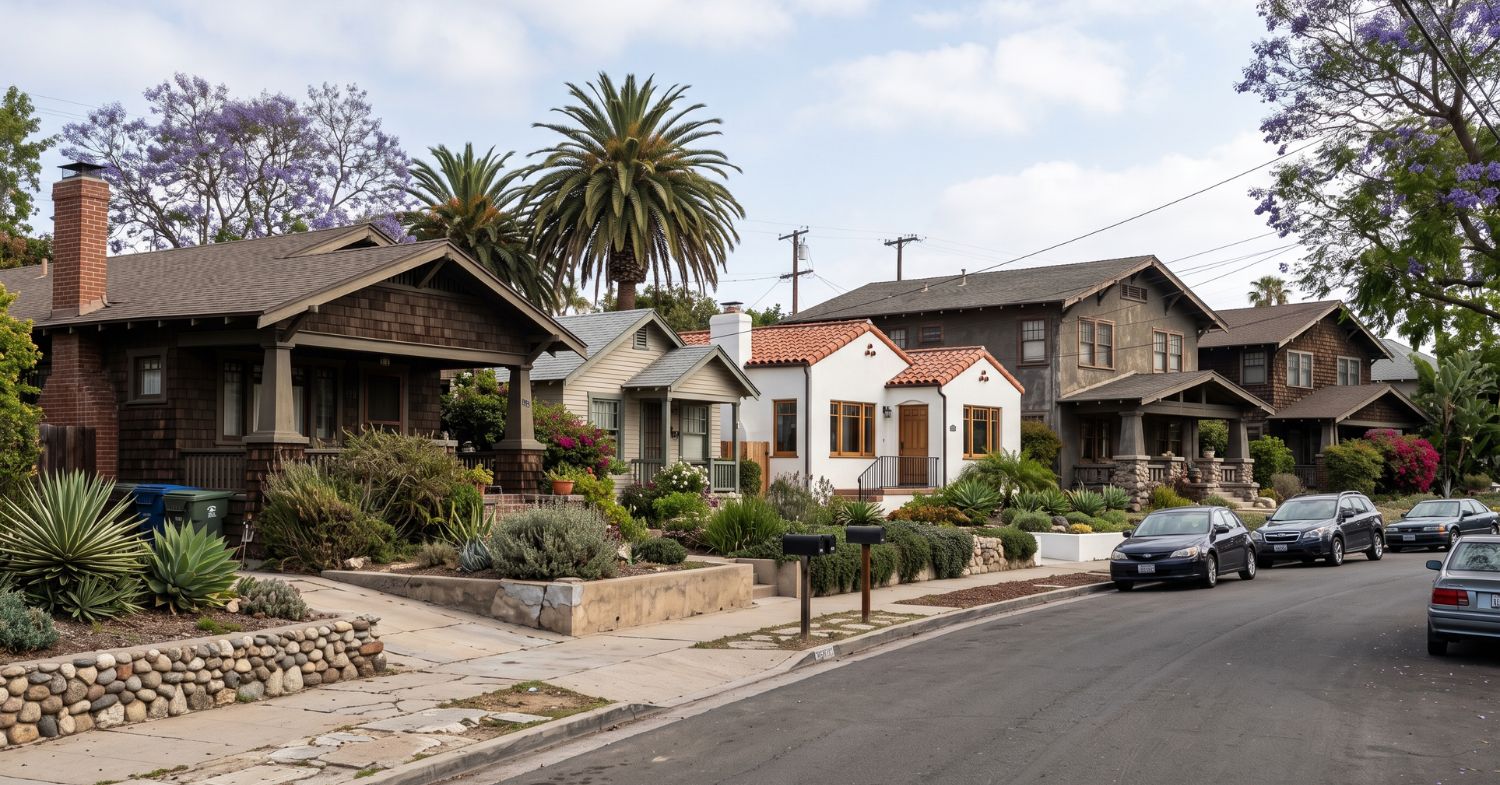
San Diego’s historic neighborhoods preserve different chapters of the city’s architectural development. The records span Old Town’s 19th-century periods, early 20th century streetcar suburbs, institutions, military properties, parks, and commercial centers. Several neighborhoods developed around a streetcar line near the turn of the 20th century. The City evaluates documented significance and integrity, not architectural charm alone.
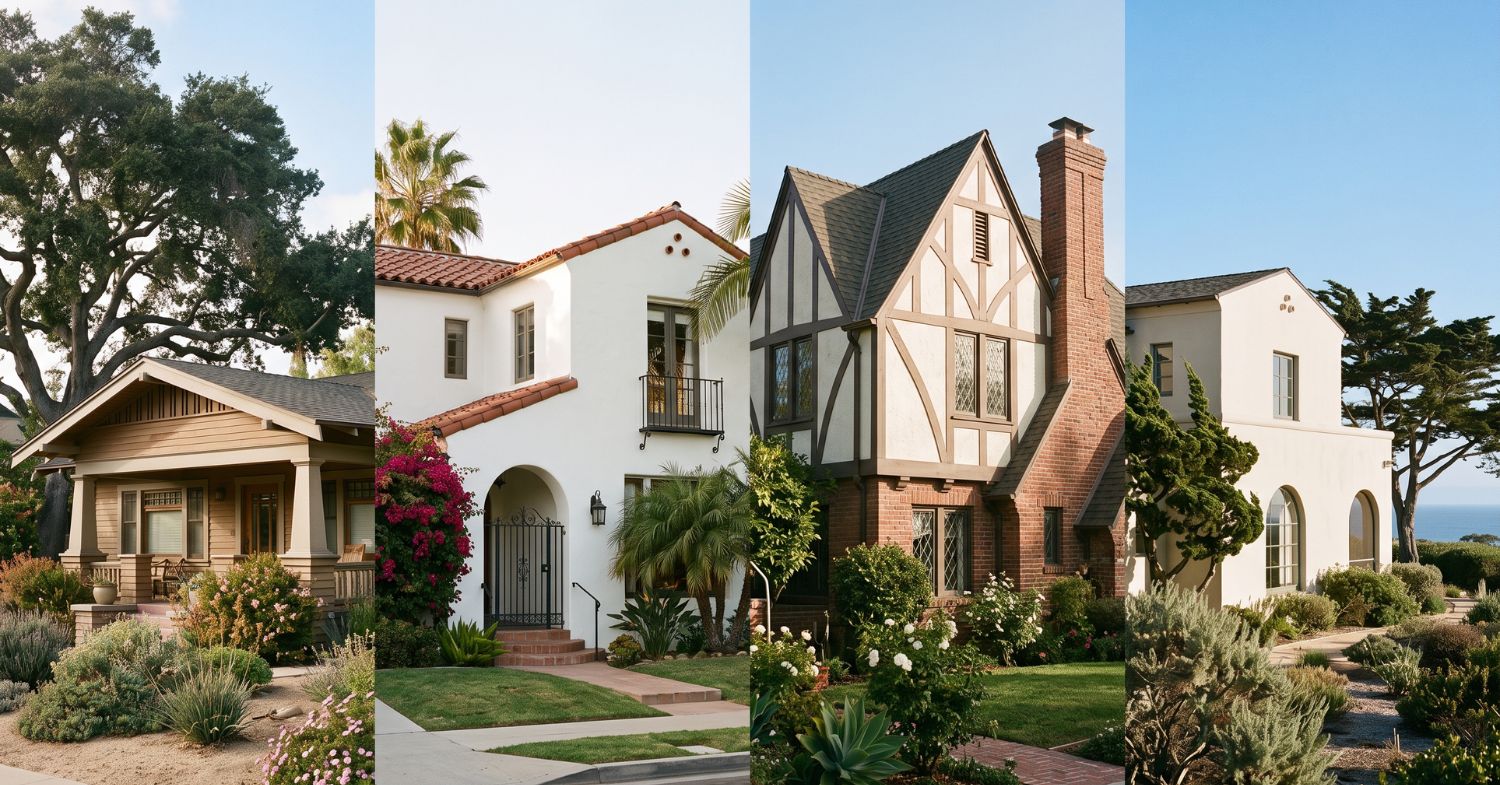
Mission Hills, University Heights, North Park, Bankers Hill, South Park, and Talmadge include buildings associated with early suburban growth. Craftsman homes and Spanish Colonial Revival buildings appear in several areas, but architectural styles alone do not establish designation. The City’s designation procedures and criteria resources, accessed August 12, 2026, explain the Historical Resources Board process and the role of City codes.
A historic district consists of a concentration of related resources. It can be significant for architecture, a master builder, a historical event, a person, cultural development, or a special element of local history. Contributing resources include homes, apartments, commercial buildings, landscapes, gates, infrastructure, or a continuity of sites that creates a geographically defined place with special character.
Historic district designation depends on documented significance and integrity. An area may be aesthetically cohesive and walkable yet lack enough historical interest or integrity for designation. A contributing resource helps express the district’s significance; a non-contributing property remains inside the boundary but does not add to that significance as documented.
The Historic Resources Board, often shortened to HRB, applies the City’s designation criteria and procedures. A historical society can supply research or advocate for preservation, but it does not designate property. The City Planning Department studies potential historic districts, while Development Services administers review through the Municipal Code and Historical Resources Regulations.
Historic designation can support neighborhood identity and preservation goals, but this guide does not claim a guaranteed effect on property values. Market outcomes vary by property, location, condition, restrictions, buyer preferences, and tax treatment. Owners should ask a qualified local appraiser about a specific home rather than treating a citywide claim as evidence.
Within this guide, Old Town contains San Diego’s oldest listed district period, beginning in 1821. Gaslamp Quarter and Old Town are two of San Diego’s most iconic historic areas, but neither neighborhood’s fame determines a private parcel’s status.
What Are the Benefits and Responsibilities of Historic District Ownership?
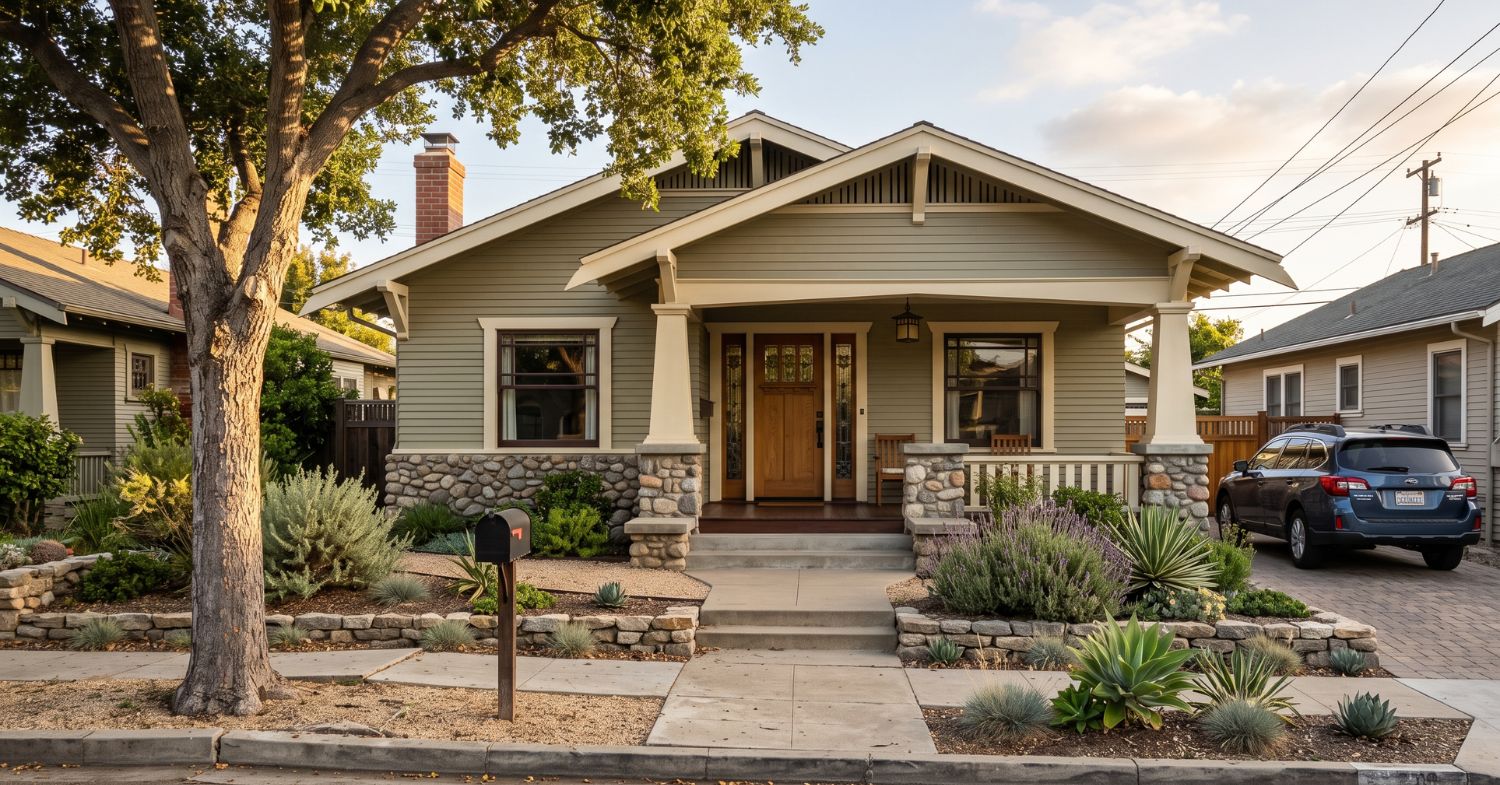
Historic district ownership can support preservation of a neighborhood’s special character while creating an address-specific responsibility to review proposed work. The City of San Diego’s designation criteria consider architectural development, historical interest, integrity, and a geographically defined continuity of sites. Benefits and responsibilities depend on the parcel record, not a citywide assumption.
Potential historic districts follow a different path. Following community-plan updates in late 2016, the City committed to a work program for 13 potential historic districts in North Park and Greater Golden Hill. Its current Designation of New Historic Districts page, accessed August 12, 2026, describes four historic districts as in process.
The City states that the Historic Preservation Planning section handles the identification and designation of new historic districts consistent with City codes, policies, and procedures. The HRB makes designation decisions through the City’s process. Property owners remain responsible for confirming status and proposed work with the agency that controls the applicable review.
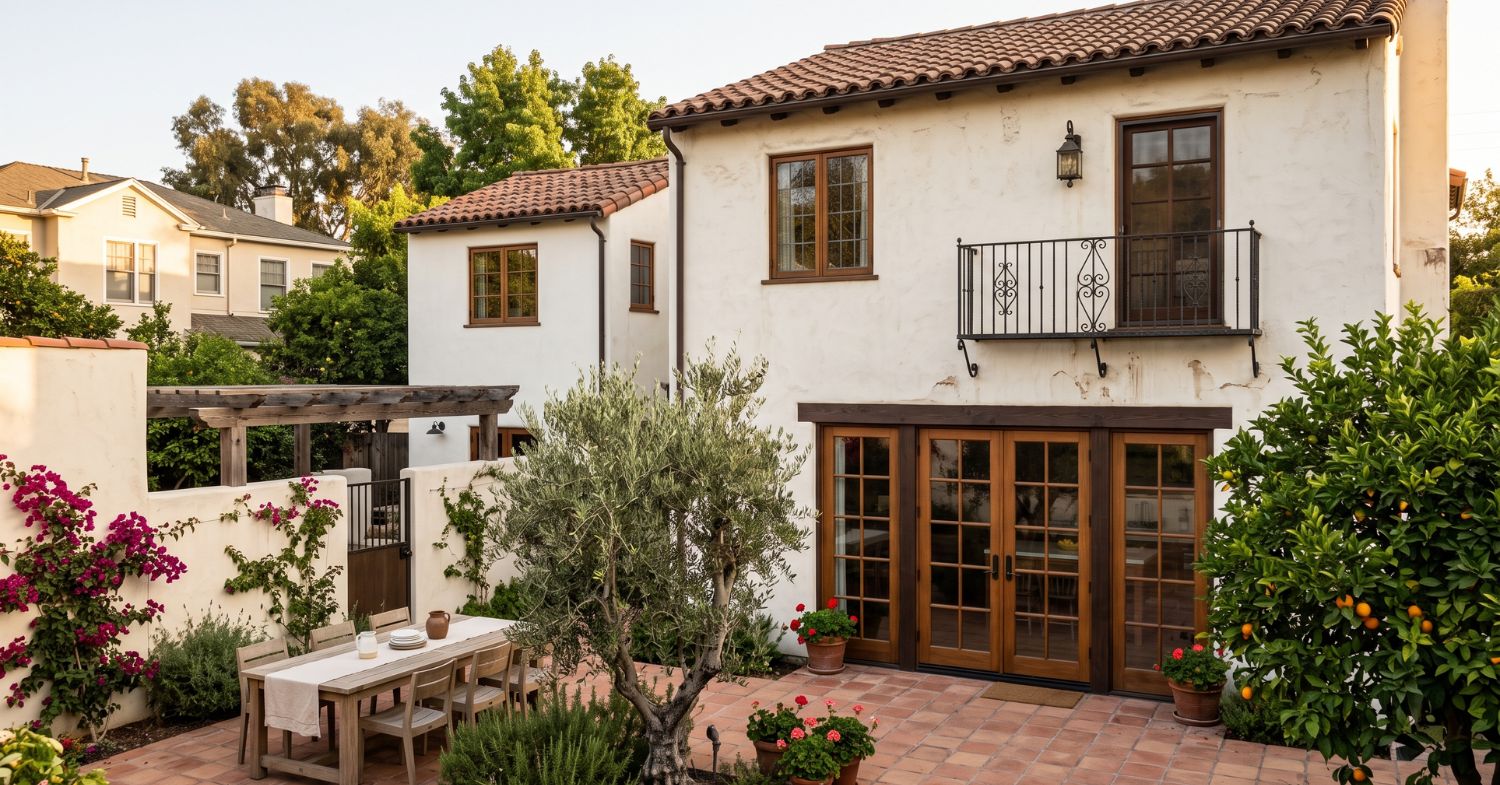
Historic District Questions for Visitors and Homebuyers
Old Town and Gaslamp Quarter answer many history and tourism questions, but visitor popularity should not be confused with property status. The City’s district records cover 30 mapped areas with different periods, registers, and resource types. Use the answers below for orientation, then use CHRID for a specific address.
What is the most famous historic district in San Diego?
Gaslamp Quarter and Old Town are among the best-known historic areas, but the City does not name one official “most famous” district. Gaslamp is a local, State, and National district, while Old Town San Diego Historic State Park reflects Mexican and American periods documented in the City’s inventory report.
What is the oldest historic area in San Diego?
Old Town represents the earliest period listed in the district table, beginning with the Mexican period from 1821 to 1846. The California State Parks Old Town page provides visitor history. A place’s age, however, does not decide whether a specific private parcel is designated.
What are the benefits and responsibilities of owning property in a historic district?
Benefits can include preservation of documented neighborhood character and possible Mills Act eligibility for qualifying locally designated properties. Responsibilities can include review of work affecting a designated resource. The exact balance depends on parcel status, district documentation, the project scope, and the approvals required by the City.
Are walking tours available for San Diego historic districts?
Yes. Old Town San Diego State Historic Park, Balboa Park, Gaslamp Quarter, and local preservation organizations publish self-guided or scheduled history resources. A tour can explain architecture and neighborhood history, but it cannot determine a parcel’s legal status. Use CHRID and City Historical Resources for that decision.
Which Districts Are Still Being Studied?
As of August 12, 2026, the City page described four districts as in process, four additional areas as remaining potential work-program districts, and one area as found ineligible. The Designation of New Historic Districts page, accessed that day, is the controlling status source for this table.
An area under study is not automatically an adopted district. Some dates shown on the City work-program page are older targets rather than completed designation dates. Check the live page and contact Historic Preservation Planning before drawing a conclusion about a property.
The City keeps potential districts separate from adopted districts. Buildings within a proposed boundary and homes built during a study period are not designated by those facts alone.
| District | Current City category | Planning area | Approximate size or specific note |
|---|---|---|---|
| Park Boulevard Residential | In process | Uptown and North Park | 87 parcels with 119 resources: 86 contributing and 33 noncontributing. |
| Culverwell & Taggart’s | In process | Greater Golden Hill | About 245 parcels, including 19 individually designated resources; the City says the area remains under evaluation. |
| Altadena | In process | North Park | About 400 parcels; preliminary significance and boundaries remain under evaluation. |
| Kalmia Place | In process | North Park | 22 potential resources on 23 parcels in the current narrative. The older work-program table shows 20 properties. |
| 28th Street | Potential work-program district | North Park | About 45 properties. |
| St. Louis Heights | Potential work-program district | North Park | About 135 properties. |
| 30th Street Commercial | Potential work-program district | North Park | About 128 properties. |
| Wabash Mesa | Potential work-program district | North Park | About 82 properties. |
| Arizona Street Tract, also called Park Villas | Found ineligible | North Park | About 48 properties. Do not present it as an adopted district. |
Park Boulevard shows why the word district is not enough. The City’s current description counts 119 resources but separates them into 86 contributing and 33 noncontributing resources. The address record, not the neighborhood label, determines which category applies.
How Do I Check Whether My Property Is in a District?
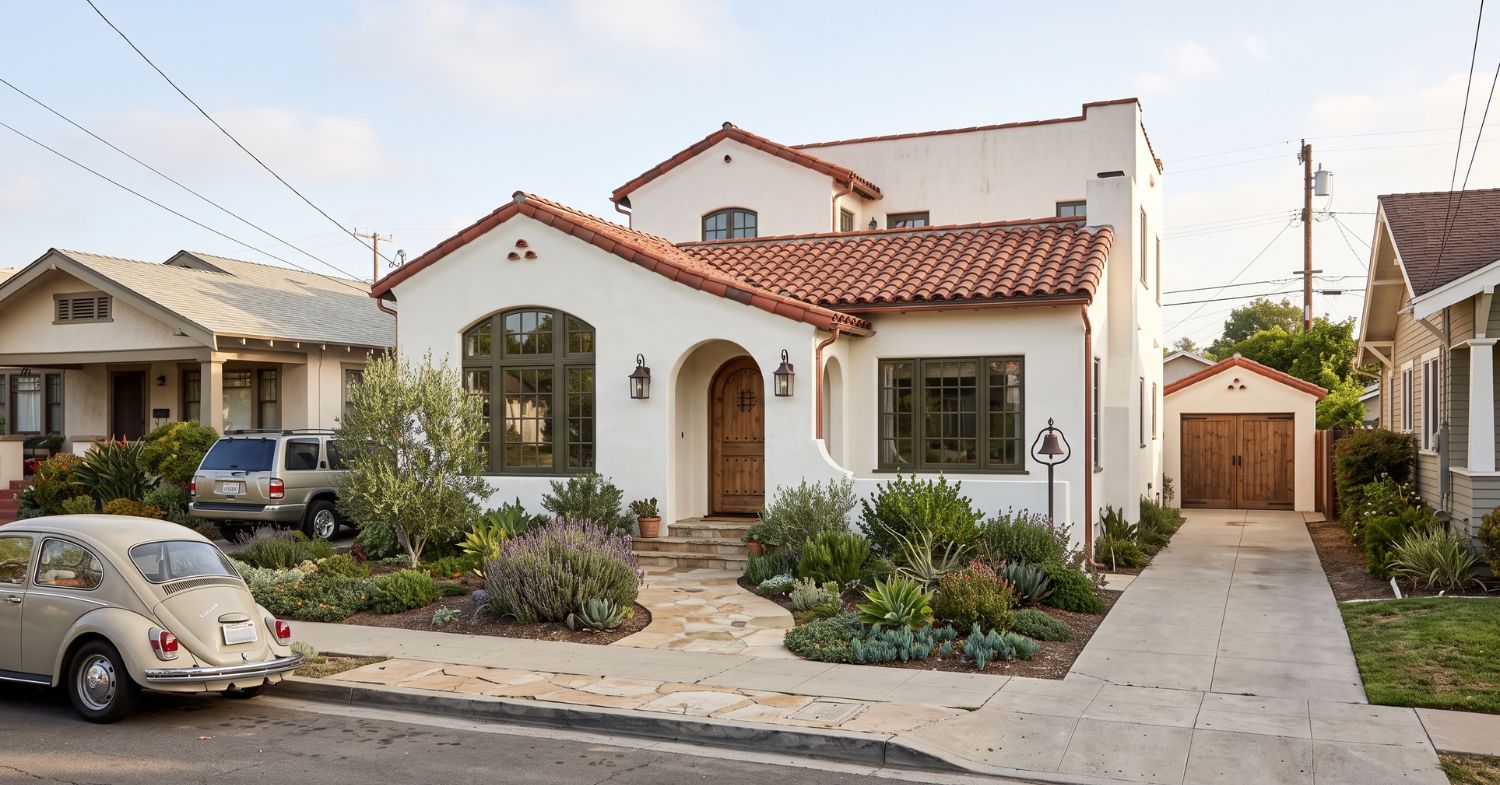
Use at least three City records before treating a property as historically designated: CHRID, the current GIS boundary, and the district’s property-specific documentation. The 30-row GIS layer is a map index, not a substitute for a parcel record. City Historical Resources staff should confirm any result that will affect design, cost, or permitting.
1. Search the address in CHRID
Open the California Historical Resources Inventory Database. Search the street address and review any individual designation, district record, survey form, or contributor classification. Save the record with the project file because online records and links can change.
2. Check the current district boundary
Use the City’s Historical Districts GIS dataset to understand the mapped boundary. A polygon can help identify the likely district, but it does not tell you every parcel’s contributor status or every regulation that may apply.
3. Find the district’s intensive survey
Where available, open the district map, significance statement, and property-specific survey. Look for the exact parcel and terms such as contributing, noncontributing, individually designated, or previously altered. Do not assume neighboring properties share the same classification.
4. Check the age and proposed scope
The City’s Information Bulletin 580, accessed August 12, 2026, states that permit work involving a parcel with a structure 45 years old or older is subject to potential historical resource review, unless an identified exemption applies. Age creates a review question; it does not create automatic designation.
5. Confirm the result with the City
Contact City Historical Resources before materials are purchased or a major concept is treated as final. Bring the address, photographs, sketches, known records, and a plain-language scope of work. Early confirmation is especially useful for windows, additions, roof changes, demolition, relocation, ADUs, and work visible from the public right-of-way.
For related accessory-unit planning, Lars’ San Diego ADU planning page explains the broader local process. Historic review remains address-specific and should be confirmed separately.
Contributing and Noncontributing Properties
A contributing property helps express the district’s documented historic significance; a noncontributing property does not. The distinction is property-specific. Park Boulevard Residential’s 119-resource study, for example, identifies 86 contributing and 33 noncontributing resources on the City’s current work-program page.
Contributing status commonly reflects the property’s age, integrity, association, architectural character, and relationship to the district’s period of significance. It does not mean the house can never change. It means proposed work should be evaluated against the district record and the applicable preservation standards.
Noncontributing status does not create a blanket exemption. A noncontributing building may still be old enough for other review, sit beside contributing resources, include a separately designated feature, or require ordinary zoning and building permits. The proposed scope also matters.
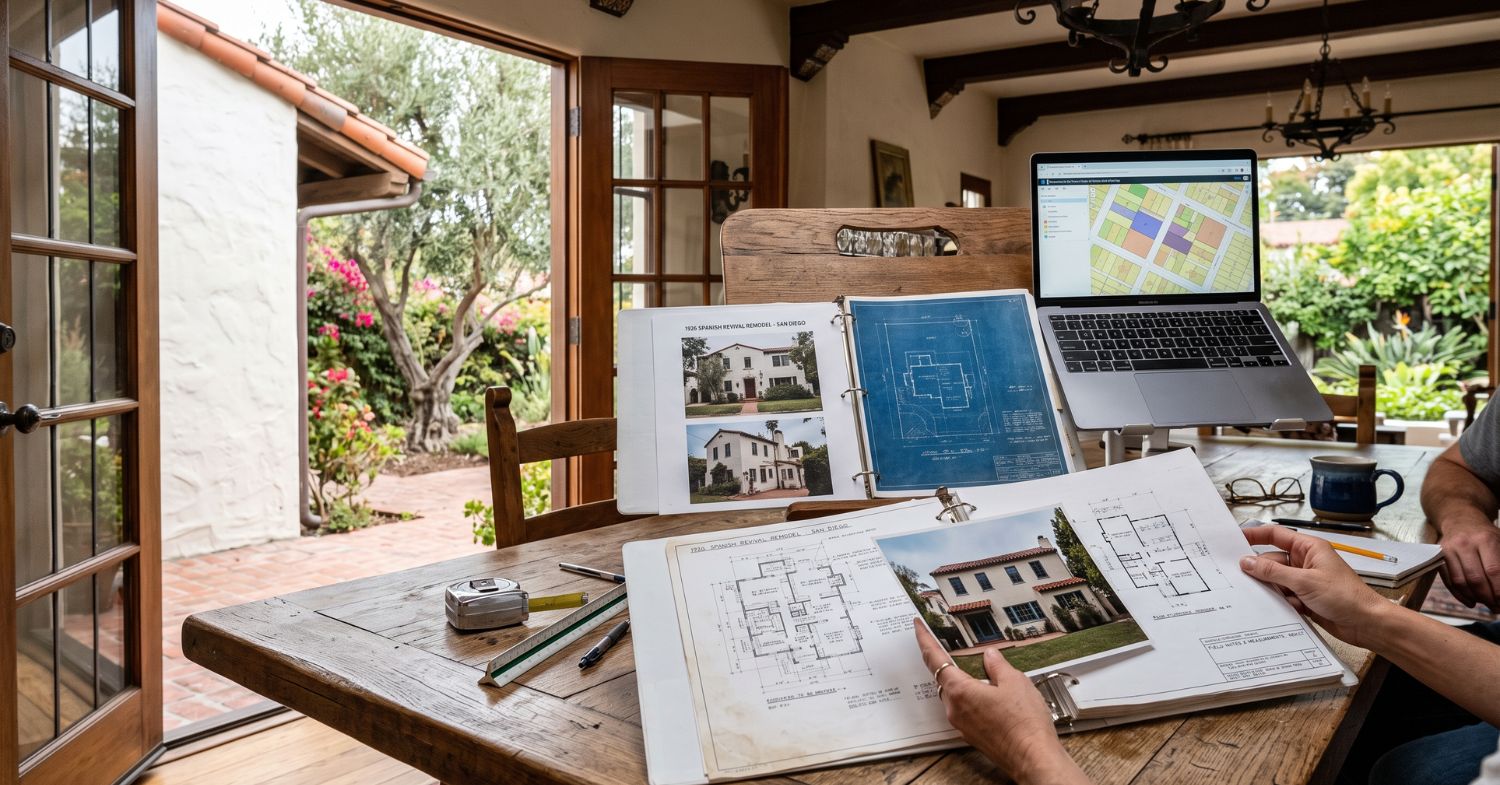
The safest project brief records five facts on page one:
- Exact address and assessor parcel number.
- District name and register status.
- Contributing or noncontributing classification.
- Individually designated features, if any.
- Proposed work and the elevations or historic fabric it may affect.
That one-page status summary keeps designers, estimators, consultants, and the homeowner working from the same record.
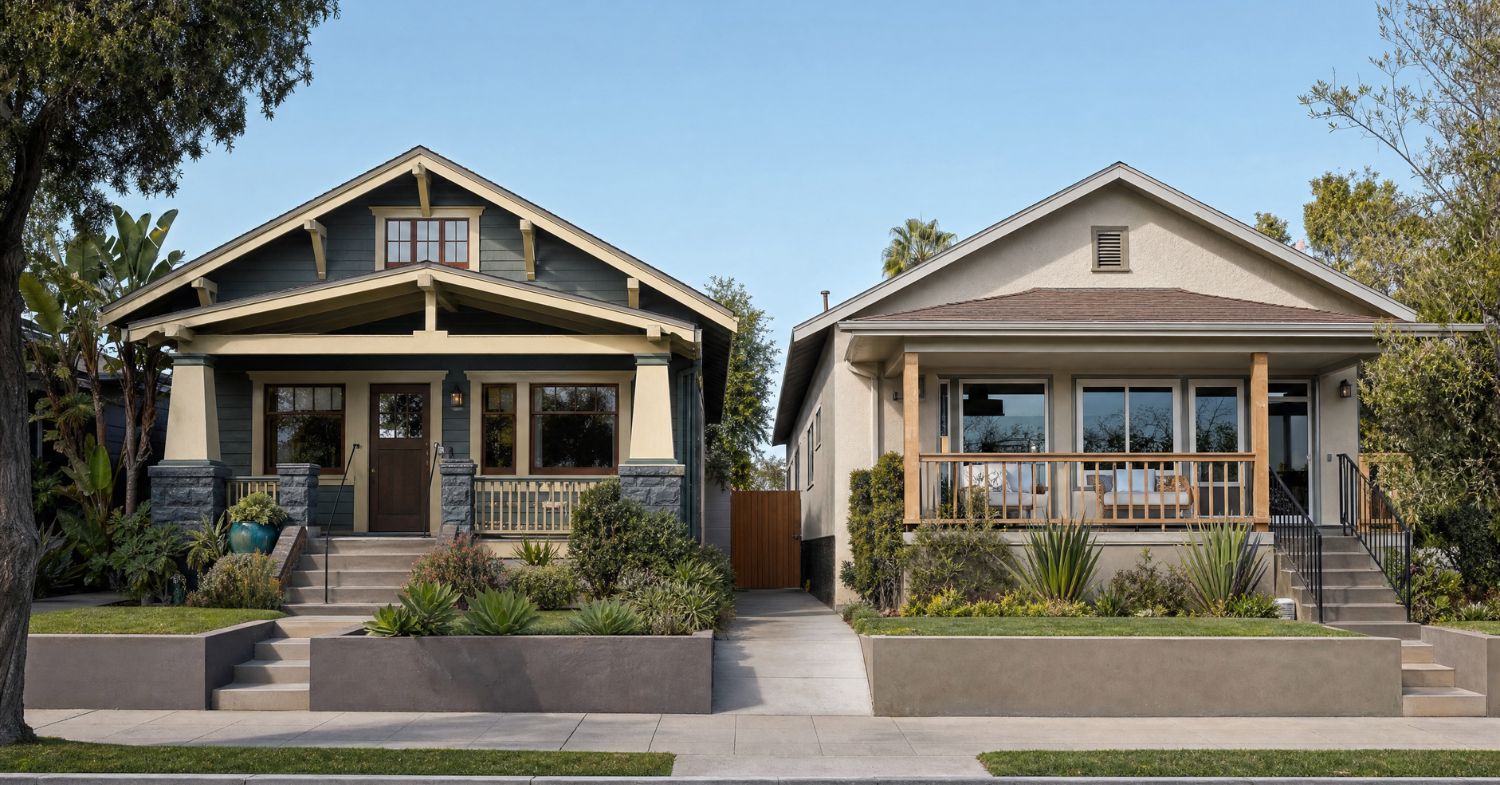
What Review Applies to a Historic-Home Remodel?
San Diego uses different review paths for a potentially historical resource and a designated historical resource. Information Bulletin 580 addresses permit work on parcels with structures at least 45 years old. Information Bulletin 581, accessed August 12, 2026, addresses designated resources and adopted historic districts.
| Question | Potential Historical Resource Review | Designated Historical Resource Review |
|---|---|---|
| Main City reference | Information Bulletin 580 | Information Bulletin 581 |
| Typical starting point | Permit work on a parcel containing a structure 45 years old or older | Work involving a designated resource or a parcel in an adopted historic district |
| First practical action | Submit the required property documentation with the permit application | Meet with Historical Resources staff before the design is fixed |
| Core question | Does a potentially significant historical resource exist, and is the proposed work consistent with applicable standards? | Is the proposed work consistent with the resource record, district guidance, and applicable standards? |
| Possible next step | Clearance, redesign, further research, or another review path | Staff guidance, redesign, or discretionary review depending on the scope |
The City’s Historical Resources Regulations and Guidelines, accessed August 12, 2026, link the regulations governing designated and potential resources, districts, archaeological sites, and related approvals. Those source documents control over a generalized online checklist.
Interior work is not simply “free at will”
Information Bulletin 580 identifies a limited exemption for interior development and work limited to electrical, plumbing, or mechanical permits when there is no exterior change. That does not remove ordinary building, structural, fire, accessibility, HOA, or other requirements. Nor does it answer every question involving historic interior fabric or work that reaches an exterior wall.
Exterior changes need early scoping
Window replacement, additions, new openings, roofing, porch alterations, cladding, demolition, relocation, and visible site work can affect character-defining features. Avoid promising that a specific change is automatically approved or prohibited. Instead, document existing conditions and obtain project-specific guidance.
First Contact Assistance can reduce redesign
Information Bulletin 581 describes an initial meeting of up to one-half hour at no charge. Applicants should bring photographs and sketches. Staff can offer general direction, but the meeting does not waive formal review. This is a useful checkpoint before detailed drawings and finish selections absorb the budget.
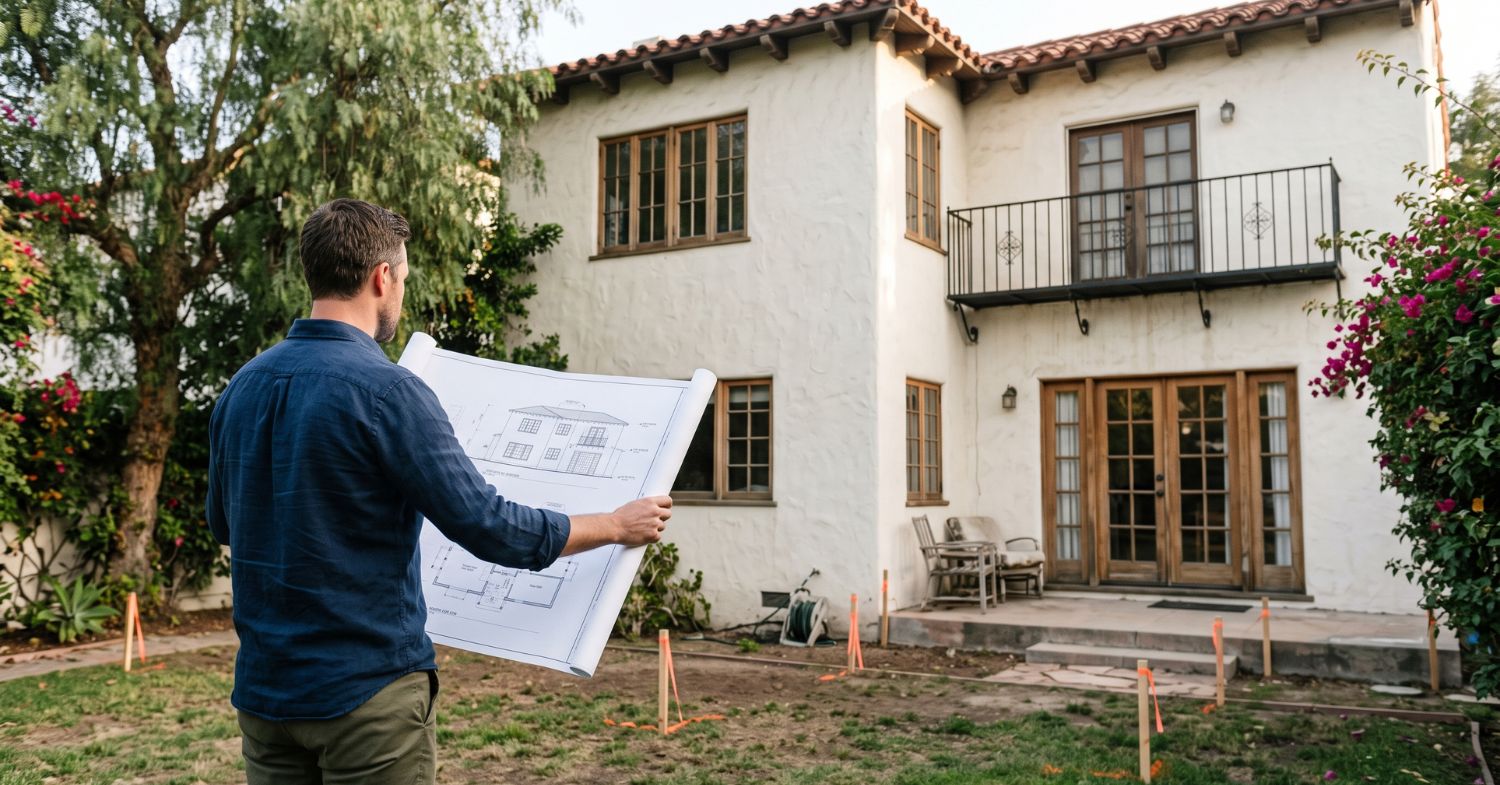
Can a Historic Home Qualify for the Mills Act?
The Mills Act can reduce property taxes for an eligible locally designated property, but the benefit is not automatic. The City’s Mills Act Agreement page, accessed August 12, 2026, accepts applications from January 1 through March 31 and requires local historical designation by December 31 of the prior year.
The City describes the agreement as a revolving 10-year contract between the property owner and the City. The application must show proposed improvements, a tentative 10-year restoration and maintenance schedule, qualified cost estimates, current photographs, and other required records. The City also states that applications will not be processed when the owner cannot show that tax savings will be invested in the historic property.
National Register or California Register listing alone does not satisfy the City’s local-designation requirement. A district property must also be checked at the parcel level. Ask the City and a qualified tax professional how an agreement could apply to the specific property.
Do not build a remodeling budget around a generic 30 to 70 percent savings claim. Actual tax treatment depends on the agreement and property assessment. Treat possible savings as a separate, verified input after local eligibility is confirmed.
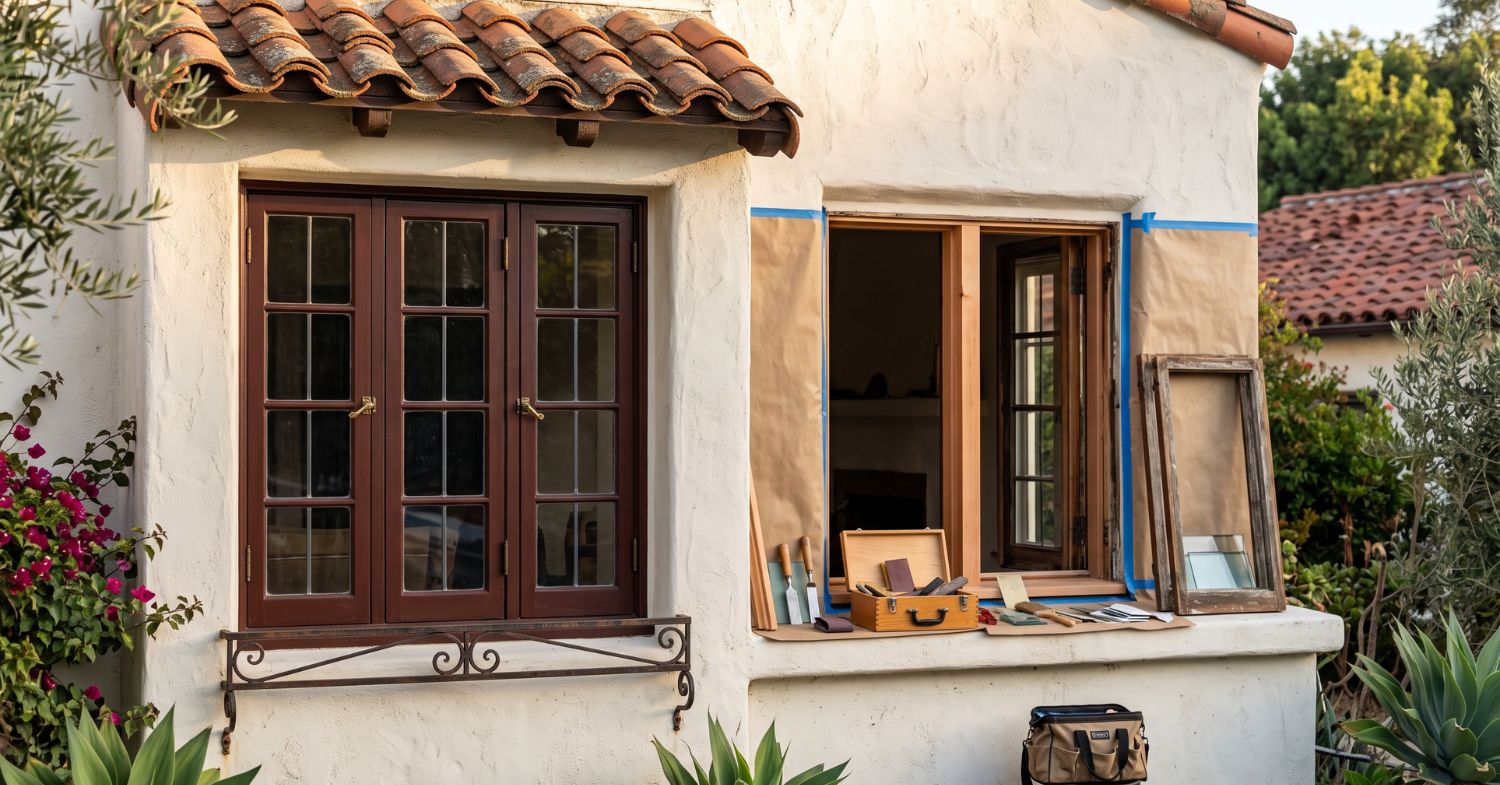
Who Should I Contact?
Start with the City Historical Resources program for parcel status, nominations, designated-resource questions, and Mills Act guidance. Use Historic Preservation Planning for district surveys and work-program status. The 14 planning-area contacts below cover the communities represented in the reconciled district table and should be refreshed before publication or outreach.
- City Historical Resources: program page and contact route, 619-235-5224.
- Historic Preservation Planning: historic-district work program, historicplanning@sandiego.gov, 619-235-5200.
- Development Services project questions: DSD contact information, 619-446-5000.
Community planning groups advise on community matters. They do not replace Development Services, Historical Resources staff, or the Historical Resources Board for parcel determinations and approvals.
| Planning area | Districts in this guide | Community contact | City planning contact |
|---|---|---|---|
| Balboa Park | Balboa Park; Cabrillo Freeway | Use the City’s Ask Parks contact route | historicplanning@sandiego.gov |
| College Area | San Diego State College | Robert Montana, community chair | Nathen Causman |
| Downtown | Chinese/Asian Thematic; Gaslamp Quarter | Downtown Community Planning Council | Use the live City CPG contact list |
| Greater Golden Hill | South Park; Golden Hill; Culverwell & Taggart’s | Community planning group | Samuel Solis |
| Mid-City, City Heights | Islenair | City Heights Area Planning Committee | Selena Sanchez Bailon |
| Mid-City, Kensington-Talmadge | Talmadge Gates; Talmadge Park Estates | Neil Winner, community chair | Morgen Ruby |
| La Jolla | El Pueblo Ribera; La Jolla Park Coastal; The Bishop’s School | La Jolla Community Planning Association | Melissa Garcia |
| North Park | Dryden; Melhorn; Burlingame; Shirley Ann Place; Valle Vista Terrace; University Heights Water; Spalding Place; several study areas | North Park Planning | Samuel Solis |
| Ocean Beach | Ocean Beach Cottage Emerging | Andrea Schlageter, community chair | Victoria Ortiz |
| Old Town San Diego | Old Town San Diego Historic State Park | Linda Acuna, community chair | Vanessa Tang |
| Otay Mesa | Brown Field | Rob Hixson, community chair | Shannon Corr |
| Peninsula | Naval Training Station; Point Loma Theosophical Institute | Eric Law, community chair | Grant Ruroede |
| Southeastern San Diego | Grant Hill; Sherman Heights | Community planning group | Natalie Koski-Karell |
| Uptown | Arnold and Choate’s; Inspiration Heights; Fort Stockton; Mission Hills; Cabrillo Freeway; Heart of Bankers Hill; Park Boulevard Residential | Uptown Community Planning Group | Morgen Ruby |
Contact check: The names and email addresses above were taken from the City’s Community Planning Groups Contact List on August 12, 2026. Chairs and planners can change, so verify the live list before sending project materials.
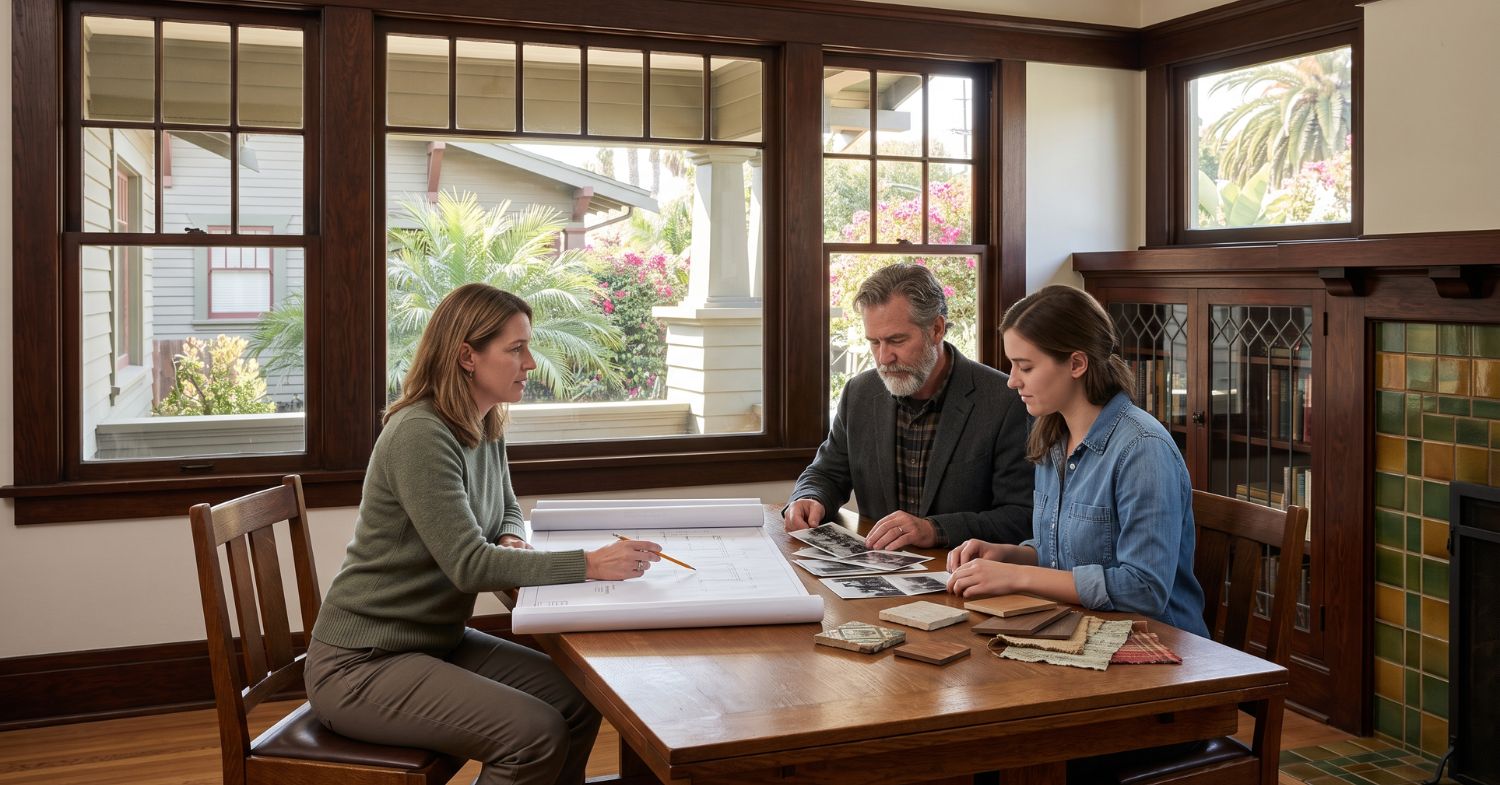
Planning a Historic-Home Renovation
A strong historic-home renovation begins with verification and documentation, not finish selections. The City’s 45-year review threshold and separate designated-resource process make status an early design input. Owners should align the address record, existing conditions, project goals, and review path before detailed pricing or construction documents begin.
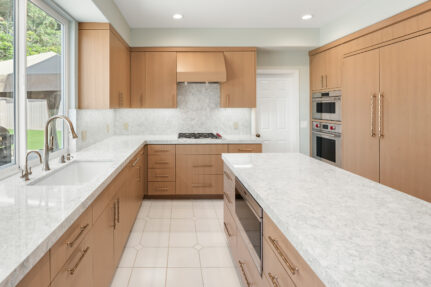
Lars has worked through that balance on an individually designated Mission Hills property. The C. Arnholdt Smith house renovation involved a 1936 residence designated in 2009. The project combined modern kitchen features with existing architectural character. One project does not create a universal approval rule, but it shows why existing-condition research and integrated design decisions matter.
Build the project file before concept design
Collect the CHRID record, district survey, current photographs, previous permits, measured drawings, and a list of character-defining features. Record previous additions and alterations separately. Older houses can conceal structural, electrical, plumbing, waterproofing, and hazardous-material conditions that affect scope even when they are not part of historic review.
Separate goals from proposed interventions
Write the homeowner goals first: more light, a safer stair, a larger kitchen, an ADU, better circulation, or improved energy performance. Then test several ways to reach those goals. A historic review concern may rule out one intervention while leaving another workable approach.
Consult before selections become commitments
Early sketches should identify windows, rooflines, porches, masonry, millwork, room sequence, additions, and public views that may matter. Ask the City about the direction before ordering custom windows, committing to demolition, or fixing structural assumptions.
Coordinate design, cost, and permitting
Historic constraints are easiest to manage when the designer, estimator, contractor, consultants, and owner share the same status record. Lars’s design-build remodeling process connects feasibility, design, pricing, permitting support, and construction planning. For larger scopes, the whole-house remodeling team can help organize the work around the home’s existing systems and character.
For local context, explore Lars’s service-area resources for North Park, Point Loma, and La Jolla. Lars can assist with project planning and permit coordination, but the City decides designation status and approvals.

Verify First, Then Design the Remodel
Historic status in San Diego is address-specific. Start with CHRID, the current City GIS layer, the district survey, and the proposed scope. Confirm whether the property is contributing, noncontributing, individually designated, simply older than 45 years, or located in an area still under study.
Once that record is clear, design decisions become more productive. The team can document valuable features, test alternatives, coordinate cost and permits, and reduce avoidable redesign. City staff remain the authority on status and approvals.
If you are considering a substantial historic-home renovation, Lars can help organize feasibility, design, budgeting, and permitting support through one coordinated process. Schedule a design consultation after you have gathered the address and available City records.