It’s the part of remodel that homeowners don’t like to think about, but probably one of the most important questions for anyone planning a remodel:
There are two key parts to budgeting a remodel; what you can afford, and what your dream remodel would cost.
To start to work out a budget for your remodel project you should identify the amount you can comfortably afford to spend or borrow. Once you know this figure, you can start to think about how much of that you want to spend on your remodel. In some cases, you may be happy to spend as much as you can afford, but it’s important to think about how much a remodel is worth to you. For example, if you’re remodeling to add value to your home, you won’t want to spend more than the potential increase in value! This figure doesn’t need to be exact; a general range will work and can add a little more flexibility to your remodel plans.
If you haven’t created a remodel wish list you should do it now! It’s great way to define and prioritize your remodel needs so you have a clear idea of what your remodel involves. Once you have a list of key features for your remodel you’ll be able to request an estimate for the whole project from your contractor, which will give you a rough idea of what the project could cost.
Top Tip 1: Make sure you understand what is included in the estimate. Ask questions if you’re unsure what something means. This is a very important part of budgeting a remodel!
The thing with estimates is that they are ballpark figures. When you’re seriously considering your remodel options, and have a rough idea of the cost, it’s time to sit down with your contractor and create a detailed project outline. It’s much easier for designers to create remodel plans for your home if they know what your budget is. It doesn’t make anybody happy if they design a $200,000 home remodel only to discover you’d only like to spend half of that amount. When a design team has a target figure to work with they’re able to truly optimize the plans to fit your needs and budget. Meaning you get a remodel that you love that won’t break your bank account.
This is one of the many reasons why it’s a great idea to create a remodel wish list before you even start budgeting your remodel. However, it’s not too late to do this if you’ve already received an estimate that’s over your planned remodel budget! Your wish list should be split into two sections: must-haves and nice-to-haves. If you need to lower the estimated cost of your remodel you can start by removing some of the nice-to-have features from your plans, this way you know you won’t be sacrificing any of the key parts of your home remodel.
Top Tip 2: Don’t plan to max out your budget. Keeping a buffer zone when budgeting a remodel can help you cover any unexpected costs!
The right design-build team can make a huge difference to your remodel. One of the numerous benefits of using experienced designers is that they can help guide you through the important decisions of budgeting a remodel. This can help make sure you make the right budgeting choices to ensure your remodel looks great for years to come. Contact Lars Remodeling & Design to schedule a complimentary Design Consultation today!

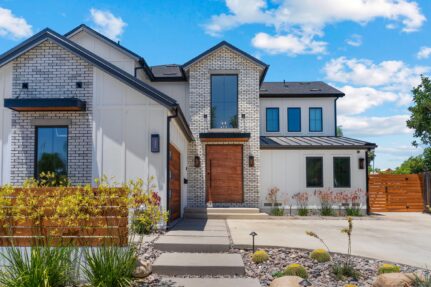
The primary bedroom is the one room in your home that belongs entirely to you. It’s where the day starts and ends, where you retreat when the rest of the house is at full volume, and where the quality of design either restores you or doesn’t. Most San Diego homes were built with primary bedrooms […]
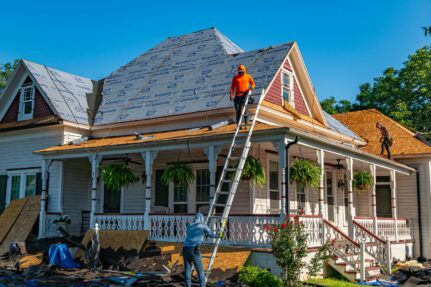
Hiring a remodeling contractor is one of the largest financial decisions most San Diego homeowners make. A kitchen remodel, home addition, or whole-home renovation involves significant money, months of living disruption, and a contractor working inside your most valuable asset. The protections you put in place before work starts determine how much control you keep […]
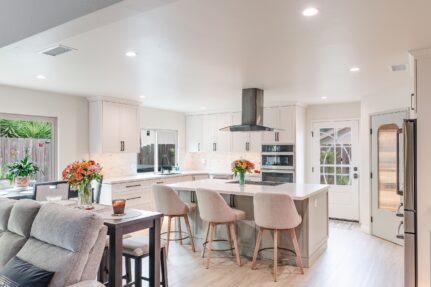
You need more space, but a full room addition feels like a bigger project than you’re ready to take on. That’s where a bump-out comes in. A bump-out addition is one of the most practical, cost-effective ways to expand a San Diego home without the complexity of a full-scale addition — and for the right […]
See What Happy Clients Are Saying About Us
When you decide to remodel your home in San Diego, count on our team of experienced builders and talented home design contractors to handle every stage of the design-build process diligently and professionally. We apply a wide range of skills to transform your living space with style and precision:
We’ll discuss the length of your project during an initial consultation. Although the scope of a project will determine its length, we can provide you with an approximate estimate early on.
For more information, get in touch with our home remodeling contractors in San Diego. We’ll ask you a series of detailed questions about the upcoming home remodel, which will help us prepare a preliminary estimate.
It’s the complexity of each remodel, as well as the desired goals and needs of each client, that makes each project unique. Besides the type and size of your home improvement in San Diego, the cost of materials needed plays a key role in setting up the budget.
Feel free to give us a call if you have any questions regarding the final costs of the project and consult with our experts directly. Our home design contractors will be happy to answer all of them and provide you with a more accurate estimate.
Before adding a room addition to your San Diego property, conduct a thorough inspection of your home and clarify your objectives:
Finally, you should know who to turn to for advanced assistance. Luckily, there’s a reputable local company serving San Diego communities. We at Lars Remodeling & Design would be happy to offer a detailed outline of the key aspects of your project.
For substantial additions or major renovations, it might be a good idea to think about staying somewhere else. To stick to your budget, you could stay with friends or family, or rent a place nearby so you can easily keep an eye on the remodeling progress. As experienced remodeling contractors, we’re eager to learn more about your project and explore all your options with you. Don’t hesitate to give us a call!
Absolutely. However, the value of such a renovation largely depends on factors like the property’s location, the extent of work required, and the current market conditions. For any home design or design-build project, it’s advisable to consult directly with our experienced contractors. We’ll access your San Diego residence to identify the type of remodel that would offer you the best return on investment.