Can You Renovate a Historic Home? San Diego Renovation Rules
01.

- Share this article
-

-

-

-

-

-

Before removing original windows, changing the façade, or opening walls in a historic home, find out which features are protected. Those details may be part of the property’s historical significance. In the City of San Diego, designated-resource review can apply even to alterations that ordinarily need no building permit. City Bulletin 581, October 2020; checked September 2026.
Can you renovate a historic home? Yes, often. In San Diego, start by identifying the property’s historic status and protected features. Historic review may apply even when a building permit ordinarily would not. Plan kitchen, bathroom, and systems improvements around those requirements, then confirm the approvals your specific project needs.
We’ve spent more than 35 years remodeling San Diego homes. When you own a historical house, the challenge is making it work for your family while protecting the details that matter. On one historic project, a window decision sent us back to design and permitting. Preserving original woodwork brought painting, floors, and trim into the same scope discussion. Those decisions belong early in your renovation plan.
Historic House Renovation: What You Can (and Can’t) Do
In the City of San Diego, a house being 45 years old does not automatically make it a designated historic resource. Confirm its designation, district status, and proposed work before choosing replacements. The City’s historical-review guidance distinguishes age-based screening from designated-resource review. These rules were checked September 2026.
San Diego status checks, verified September 2026: use the City’s historical-review guidance and designated-resource bulletin to establish which review applies.
| Your property’s situation | What to establish before design |
| A structure is 45 years old or older, without designation | Potential historical-resource screening may apply. Age triggers a review question; it does not establish historic status. Scope and exemptions matter. |
| Individually designated, or determined eligible for or listed in the California or National Registers | Confirm the resource record and protected features before proposing alterations. |
| Inside an adopted historic district | Confirm the parcel boundary and contributing status. Review requirements can extend to district properties that are not individually designated. |
A neighborhood name alone is insufficient. Check the City’s historic-district information against your address; proposed and adopted districts are different. These City references were checked September 2026. Properties in other San Diego County jurisdictions follow that jurisdiction’s rules.
Can you renovate historic homes listed nationally? Yes. Listing in the National Register of Historic Places alone does not impose federal restrictions on a private owner using private funds without federal involvement. Separate local protections can still apply. Federal guidance checked September 2026.
How to renovate old buildings without losing their character
Start with an inventory of original architectural features: windows, doors, siding, roof details, masonry, and woodwork. Photograph their condition. The National Trust for Historic Preservation recommends researching historic places through photographs, maps, and ownership records. That homework helps distinguish an original detail from a later change. The National Park Service’s rehabilitation standards favor repairing deteriorated historic features before replacement. Where replacement is necessary, the new feature should match the original in design, color, texture, and, where possible, materials. Standards checked September 23, 2026.
Interior renovation can offer flexibility, but protected interiors need care too. Don’t assume that a staircase or fireplace can go simply because it is indoors. San Diego’s historical-resource exemptions have conditions; an exemption from a historical development permit does not eliminate construction-permit requirements. Municipal Code §143.0220, checked September 2026.
For modernization, we look at how new systems fit the original structure. Can HVAC equipment, wiring, and plumbing serve each room without cutting through significant trim? Can an energy-efficient upgrade preserve the window opening? Work through those details before ordering products. Even paint colors belong in the scope conversation when restoring an exterior. Establish which details must align with the original design and where you have room for a new choice.
For an addition, historic preservation guidelines call for compatible new construction that remains distinguishable from the historic structure. Exterior restoration and an addition therefore need different design decisions. Consider scale, roof connections, and what original building materials the work would remove. NPS rehabilitation standards, checked September 2026.
Renovation Dos
- Do check with local historical-resources staff before making changes.
- Do your best to preserve original materials and details.
- Do hire an architect or builder with experience in historic renovations.
- Do research your home’s history; a local historical society may help you locate photographs and records.
- Do look for discreet modern upgrades, including climate systems and smart wiring.
Renovation Don’ts
- Don’t assume interior work is exempt.
- Don’t replace windows, doors, or roofing before confirming whether they require approval.
- Don’t use incompatible modern materials on historic façades.
- Don’t start construction before obtaining required permits and review clearance.
- Don’t demolish part of the structure before resolving the applicable restrictions.
These planning reminders follow the City and federal guidance above, checked September 23, 2026. For your historic home renovation, settle what needs to stay before deciding what to replace. That gives the design team a useful starting point and protects the craftsmanship you bought the house for.
Historic Home Remodels: Navigating Approvals and Permissions
For designated historical resources in the City of San Diego, plans go to Development Services and then Historical Resources staff, under Bulletin 581. Review can apply even when work normally needs no building permit. Preliminary feedback helps shape a proposal; it does not replace the required final review.
If the proposal is inconsistent with the applicable preservation standards, it moves into discretionary review, with environmental review determined by City staff. Bulletin 581, checked September 2026.
The approval process involves documenting existing conditions, supplying architectural drawings and material specifications, and showing how proposed work protects significant features. Describe interior and exterior work clearly. When planning your home’s design, ask who will connect preservation requirements, drawings, selections, and the construction schedule. Your team also needs to establish which current building codes apply to the renovation project; the age of the house does not waive safety requirements.
For a house being screened because of age, some interior work without exterior changes may qualify for an exception. Do not carry that assumption over to a designated historic building. Bulletin 580 and Municipal Code §143.0212, checked September 2026.
On one historic project, we documented replacement windows on nearby homes and submitted that evidence to support our client’s proposal. The city historian rejected the neighborhood comparison and offered two paths for the specific property. We took those options back to our design and permitting leads; the replacement approach still needed resolution at that stage. For your remodel, establish what is acceptable for your own address before committing to replacement windows.
How to plan a home renovation timeline
The renovation process should follow decisions that release the next stage of work:
- Investigate: confirm status, document building materials, and assess condition.
- Develop the design: coordinate preservation, layout, engineering, and system routes.
- Resolve approvals: allow for review comments and revisions before setting demolition dates.
- Complete selections: check approved specifications and lead times before committing to orders.
- Build and close out: sequence protection, repairs, inspections, finishes, and the final walkthrough.
Keep design and permitting time separate from construction duration. A repair detail, material substitution, or hidden condition can change the sequence. Ask for a project schedule that explains what each stage depends on and when it will be updated. Another home’s build time cannot tell you when your own approvals or custom materials will be ready.
How to restore an old house. Establish what is worth saving, assess the condition, and address the causes of deterioration before finishes. Investigate water damage before sanding and refinishing wood, and resolve any hazardous-material concerns first. Bring in a structural engineer when the proposed work or observed condition calls for one. A home inspector can help identify areas needing further investigation, but specialist questions need the appropriate specialist.
If your home was built before 1978, paint-disturbing work needs particular care. EPA explains that sanding, cutting, and window replacement can create hazardous lead dust and recommends trained, lead-safe certified contractors. EPA consumer guidance, updated May 27, 2026; checked September 2026.
Asbestos needs its own assessment. You cannot reliably identify it by sight. If the renovation will disturb suspect material, use a trained professional for sampling and advice; do not sand or scrape it to find out what is underneath. EPA asbestos guidance, updated June 25, 2026; checked September 2026.
On that same historic project, the homeowner wanted to keep the original woodwork, but suspected lead paint complicated the preparation. The trim connected to the floors, baseboards, walls, and window work. We called for a focused meeting with the people who had walked the site, requested confirmation of the painter’s lead-safe certification, and began sourcing residential restoration specialists. The repair approach still needed to be settled. Keeping the woodwork meant coordinating several trades before they could proceed.
Renovating Historic Houses with The Right Help
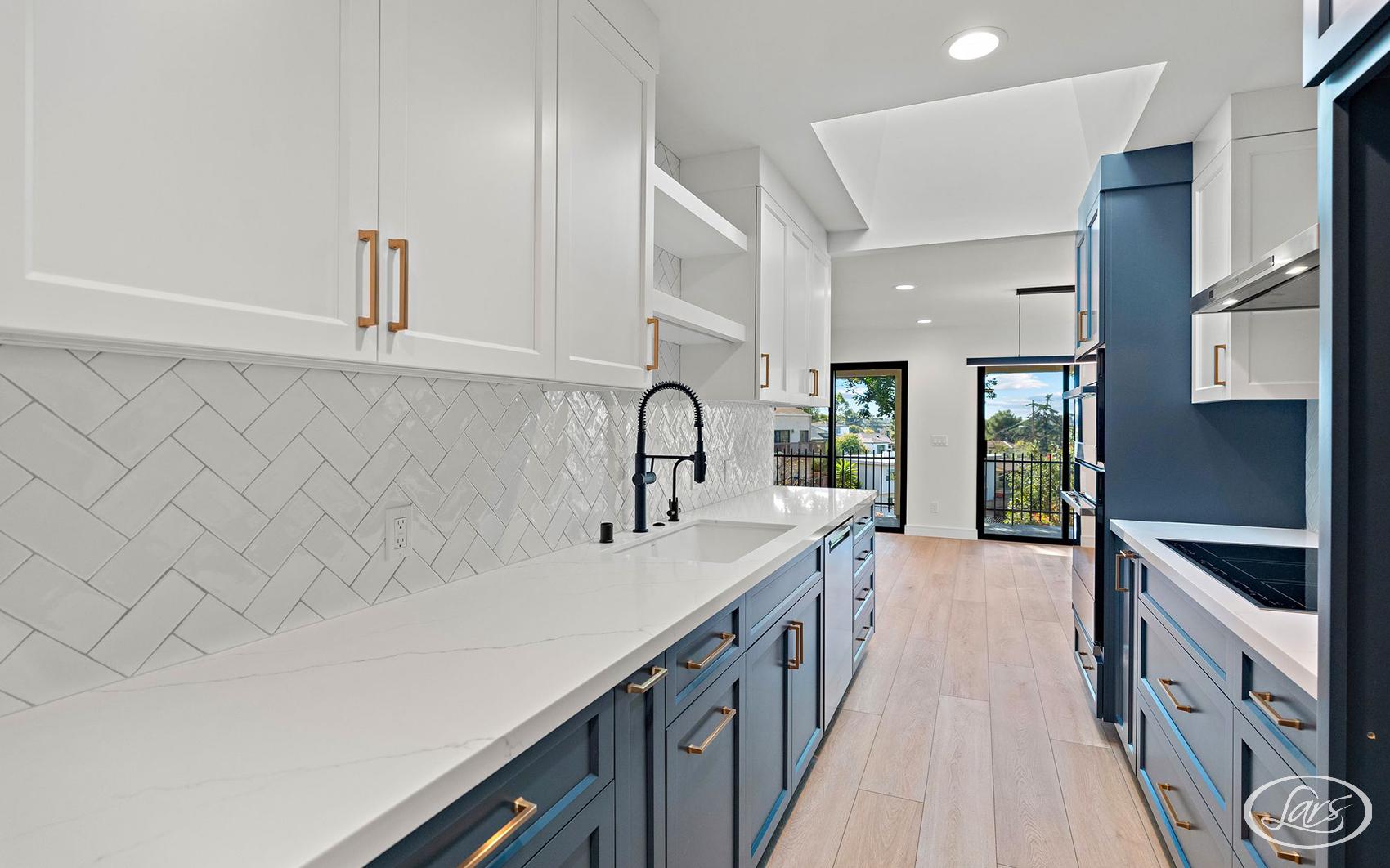
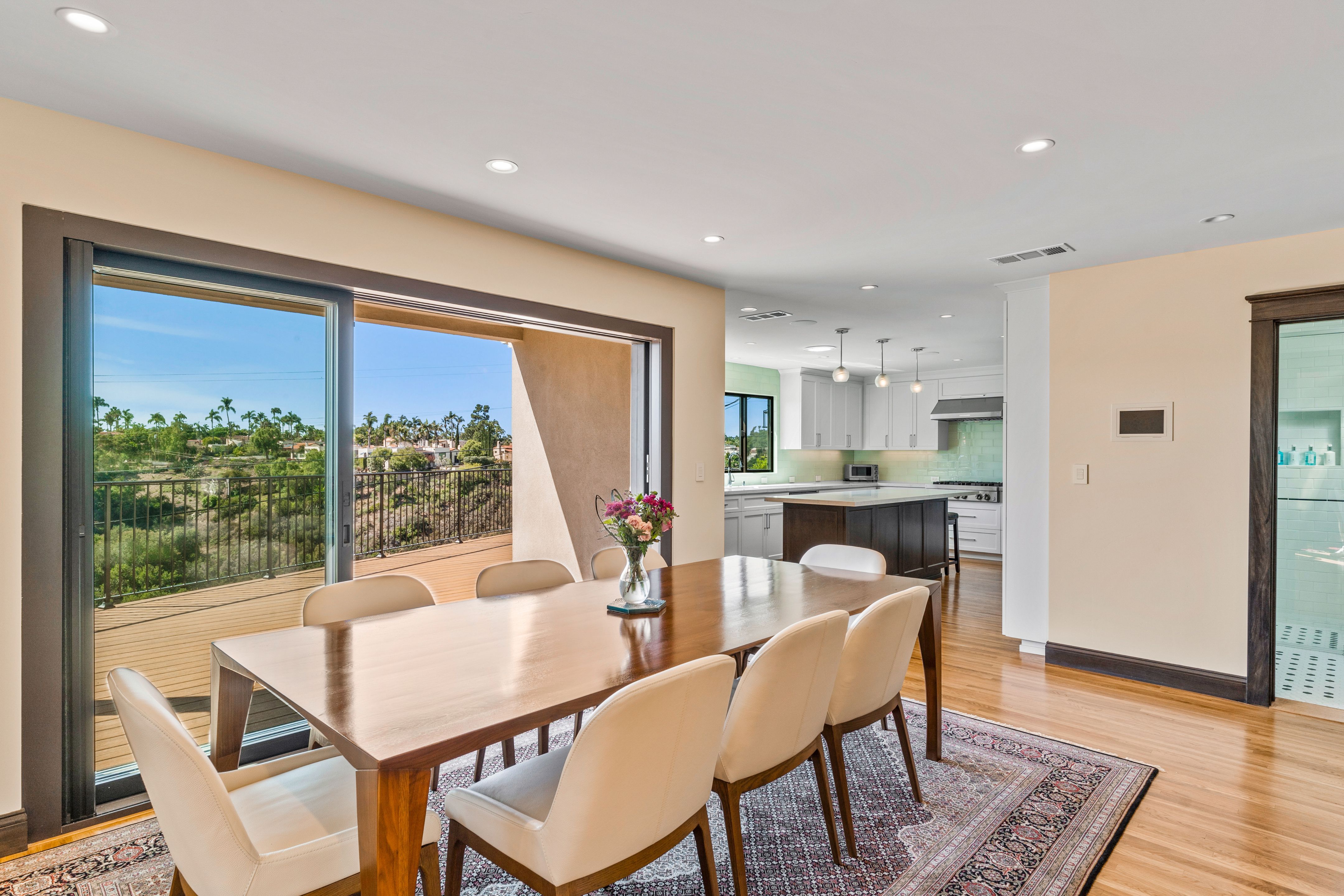
In our full-home remodel of the 1936 C. Arnholdt Smith house in Mission Hills, we paired wood flooring with a modern stainless steel range, cabinetry, and countertops. The kitchen gained contemporary conveniences while the design respected the home’s historic character. It is a practical example of modernization within a historic home.
How to restore an old home while making it comfortable
Clarify the goal first. In preservation terminology, restoration depicts a property at a particular period; rehabilitation accommodates a useful contemporary purpose while preserving significant features. Many homeowners seeking historic home restoration actually want that second approach. Discuss renovation and restoration together before committing to a restoration project that goes further than your goals. NPS restoration guidance and rehabilitation standards, checked September 2026.
Should you stay or move out?
We work through which rooms remain usable, when utilities shut down, and how people can stay clear of construction. Temporary accommodation belongs in the conversation when safe access, bathrooms, or necessary separation cannot be maintained.
On a separate whole-house renovation, our client asked us to paint a room early so belongings could start moving into place. We agreed to adjust the sequence, accepting a delay to the next demolition phase. Shower-glass completion was another condition for that transition. Making a room available took priority over starting the next phase sooner. That is a practical tradeoff to settle when planning where you will live during construction.
When comparing renovation costs, request one scope covering investigation, design, engineering, approvals, construction, specialist restoration, and living arrangements. Identify allowances and list what still needs investigation. The renovation of a historic property may involve materials that are no longer stocked, custom repair details, or specialist trades. A standard allowance tells you little until you know what the work requires.
Tax incentives merit a separate eligibility check. San Diego’s Mills Act agreement can offer property-tax relief for qualifying designated properties in exchange for preservation obligations. It is not automatic. The federal rehabilitation tax credit does not cover a property used exclusively as your private residence. For California program questions, the state historic preservation office is a point of contact. Program rules checked September 23, 2026; confirm eligibility before including any savings in your budget.
Plan Your Historic Home Renovation With Lars
At Lars Remodeling & Design, we bring more than 35 years of San Diego remodeling experience to your project. Share your address, property records, and priorities so we can discuss design, preservation, and construction together. Explore whole-home remodeling in San Diego and talk with our team about the next steps for your home.